上海玻璃博物馆 Shanghai Museum of Glass 上海玻璃博物馆 Shanghai Museum of Glass
  • 上海玻璃博物馆 Shanghai Museum of Glass
    • 关于 About
    • 大事记 Milestones
    • 收藏 Collection
    • 退火艺术项目 Annealing Art Program
    • 往期临展 Past Exhibitions
    • 年报 Annual Report
  • 展览与活动 Exhibitions and Activities
    • 主场馆 Main Hall
    • 儿童玻璃博物馆 Kids Museum of Glass
    • 热力剧场 Radiance Theater
    • 玻璃迷宫 Maze
    • 破碎 BRKN
    • 当前临展 Temporary Exhibitions
    • 儿童DIY体验区 Kids DIY Workshop
    • 导览图 Museum Map
  • 参观资讯 Visit
    • 博物馆商店 Museum Shop
    • 餐饮指南 Restaurant
  • 上海玻璃博物馆 Shanghai Museum of Glass
    • 关于 About
    • 大事记 Milestones
    • 收藏 Collection
    • 退火艺术项目 Annealing Art Program
    • 往期临展 Past Exhibitions
    • 年报 Annual Report
  • 展览与活动 Exhibitions and Activities
    • 主场馆 Main Hall
    • 儿童玻璃博物馆 Kids Museum of Glass
    • 热力剧场 Radiance Theater
    • 玻璃迷宫 Maze
    • 破碎 BRKN
    • 当前临展 Temporary Exhibitions
    • 儿童DIY体验区 Kids DIY Workshop
    • 导览图 Museum Map
  • 参观资讯 Visit
    • 博物馆商店 Museum Shop
    • 餐饮指南 Restaurant

All Posts By “沈海兵”

Author

户外市集:“不打烊童游会”
BRING OUT THE CHILD!

2020年6月18日 / no comments

户外市集:“不打烊童游会”

BRING OUT THE CHILD!

2020年5月30日-5月31日


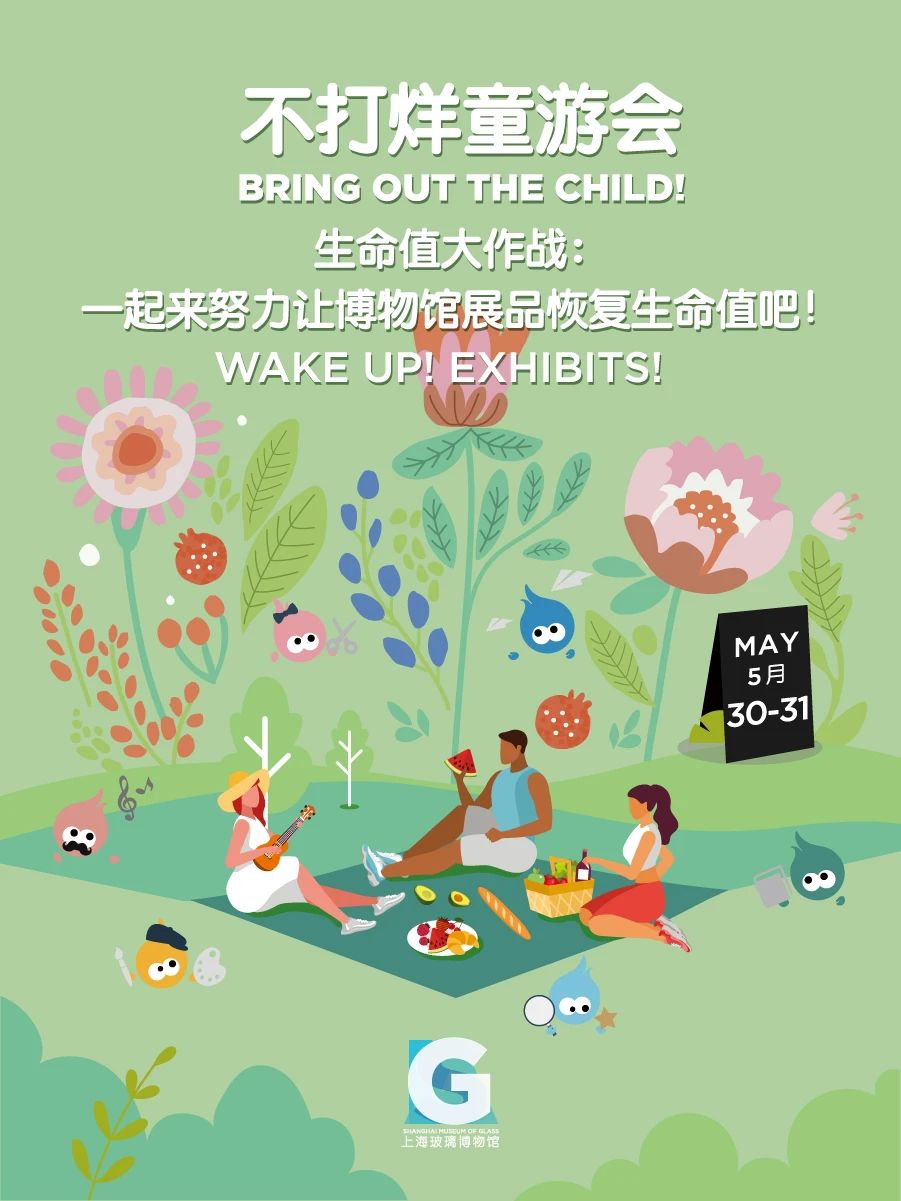
在疫情风暴搅动整个行业,博物馆艺术活动几乎停摆近半年后,六月,无疑是一个破局的关键节点。在今年的6月1日,我们邀请所有博物馆观众和我们一起打破空间和距离的限制,在孩子们的假日之中狂欢!


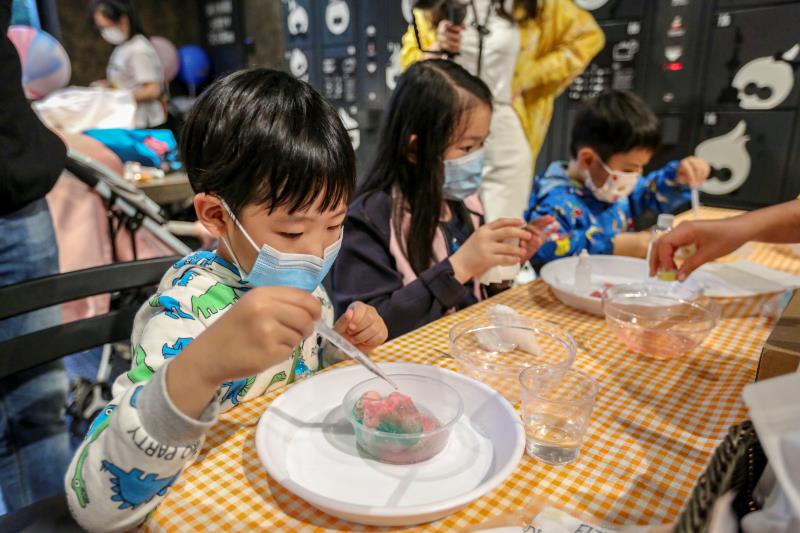
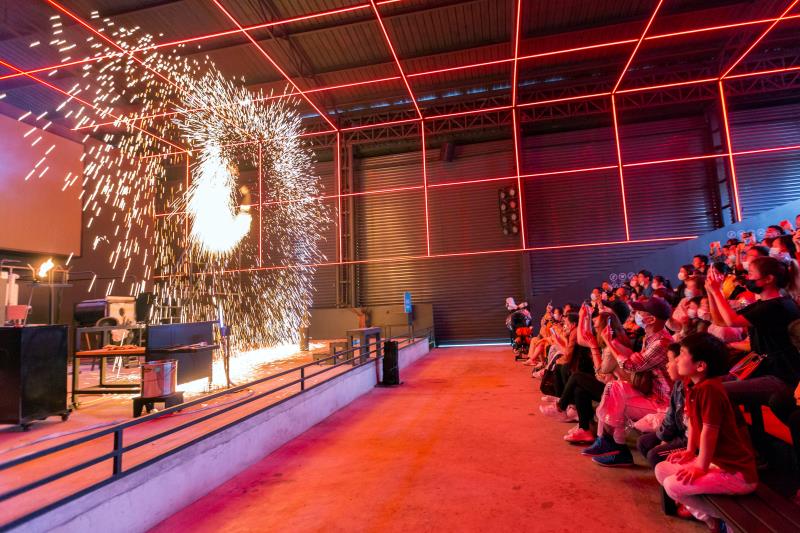
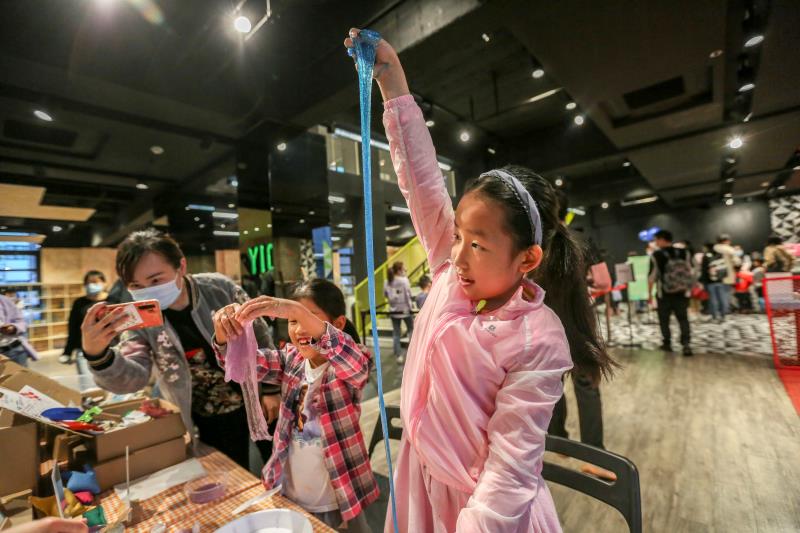
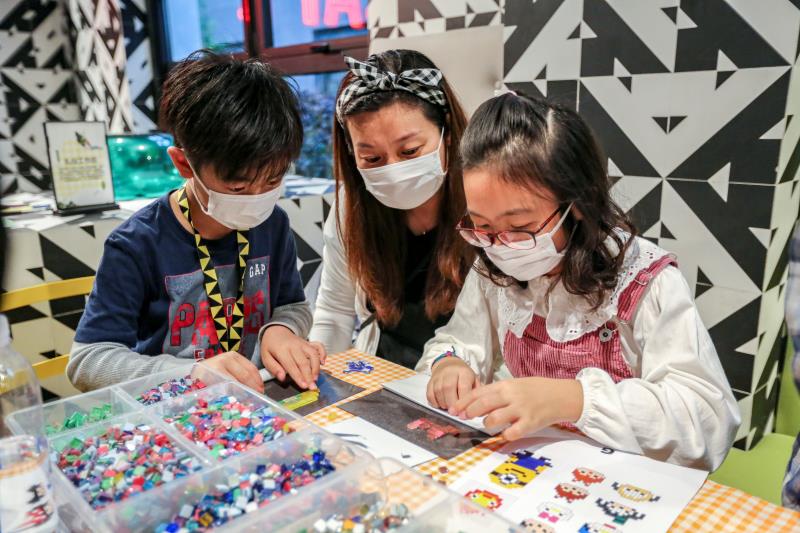
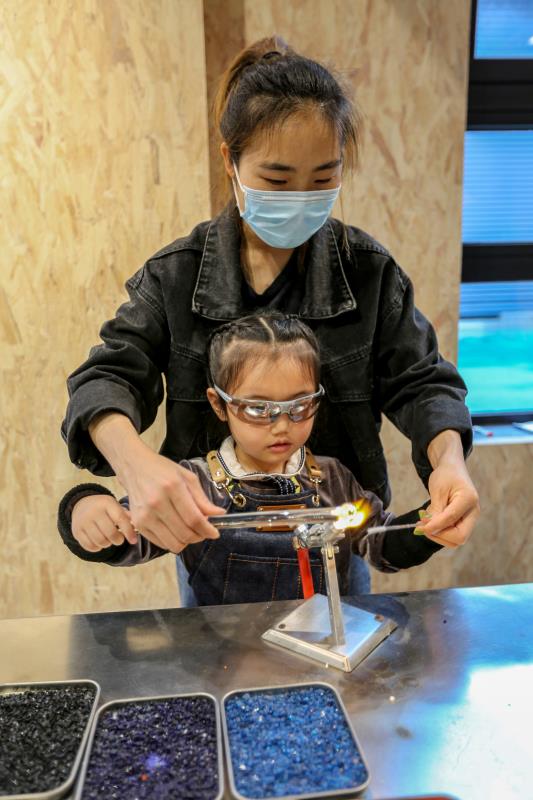
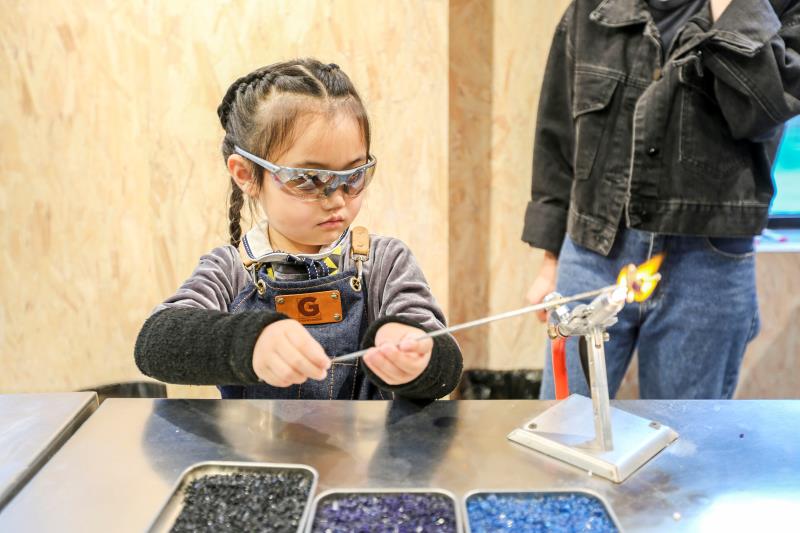
上海玻璃博物馆园区在5月30日至5月31日,从早上10点到晚上5点举办了持续两天的“不打烊童游会”,内容有DIY工作坊、探险活动、野餐派对、儿童演奏、公教课程等等。在博物馆的艺术广场上,逛逛摊位,做做手工,聆听音乐,享受阳光和夜景!跨界融合的多元文化不仅为玻璃空间注入新能量,也丰富了我们的博物馆生活方式。

OUTDOOR MARKET

BRING OUT THE CHILD!

May 30-31, 2020


After the entire museum and art industry has come into a standstill for almost six months, due to the epidemic storm, the month of June is a key point to overcome the stalemate. On June 1, 2020, we invited the visitors to celebrating with us on the Children’s Day!

From May 30 to 31, 10am to 5pm, the Shanghai Museum of Glass Park hosted a two-day outdoor party for children. The pop-up stands included DIY workshops, adventure activities, picnic, piano performance, courses, etc. On the Art Plaza, visitors could browse the stands, do the DIY bracelets and mosaics, with the background music, and enjoy the sunshine and night views. The cross-bordered culture not only empowered the glassy space, but also enriched the “”Museum Lifestyle.
Insert Alt Text
Insert Alt Text
Insert Alt Text
Insert Alt Text
Insert Alt Text
Insert Alt Text
Insert Alt Text
Insert Alt Text
Insert Alt Text
Insert Alt Text
Insert Alt Text
Insert Alt Text

母亲节亲子瑜伽工作坊:“生命的同频呼吸”
WORKSHOP: The Same Breath of Life

2020年6月18日 / no comments

母亲节亲子瑜伽工作坊

“生命的同频呼吸”

2020年5月10日


博物馆文化活动中亲子类项目层出不穷,我们总是看到母亲坐在后排观看孩子们,或是坐在孩子身边安抚他们的情绪以便更好配合课程的节奏。在同一段接受博物馆教育资源的时段中,孩子和家长,能否从中汲取相等、甚至相通的养分呢?


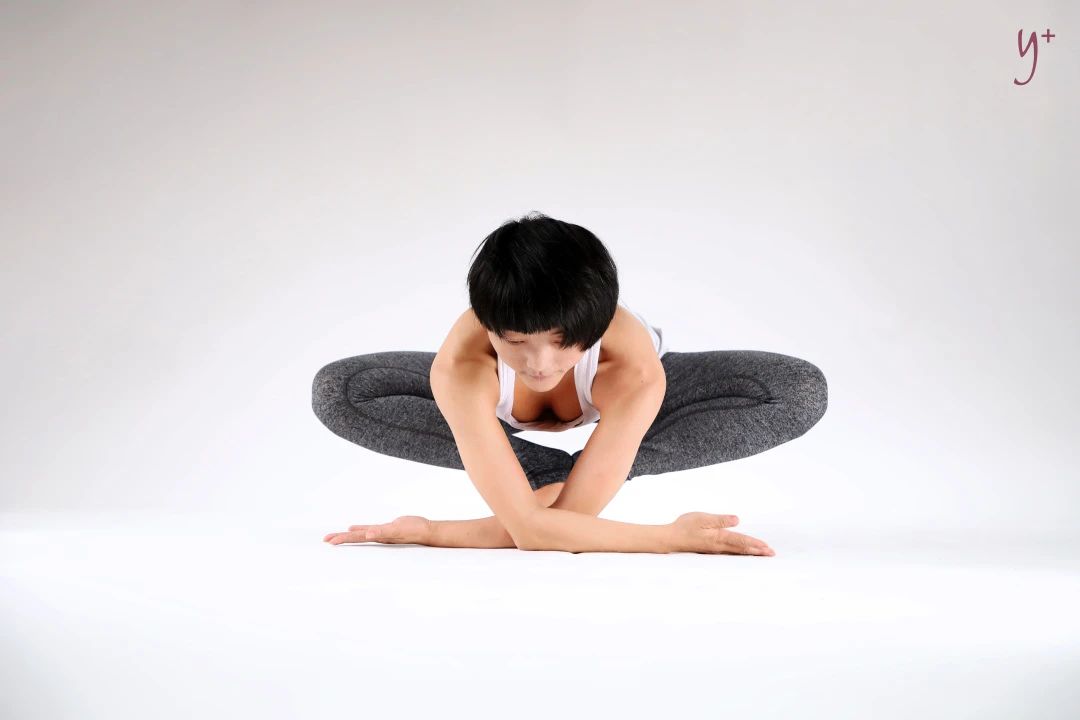
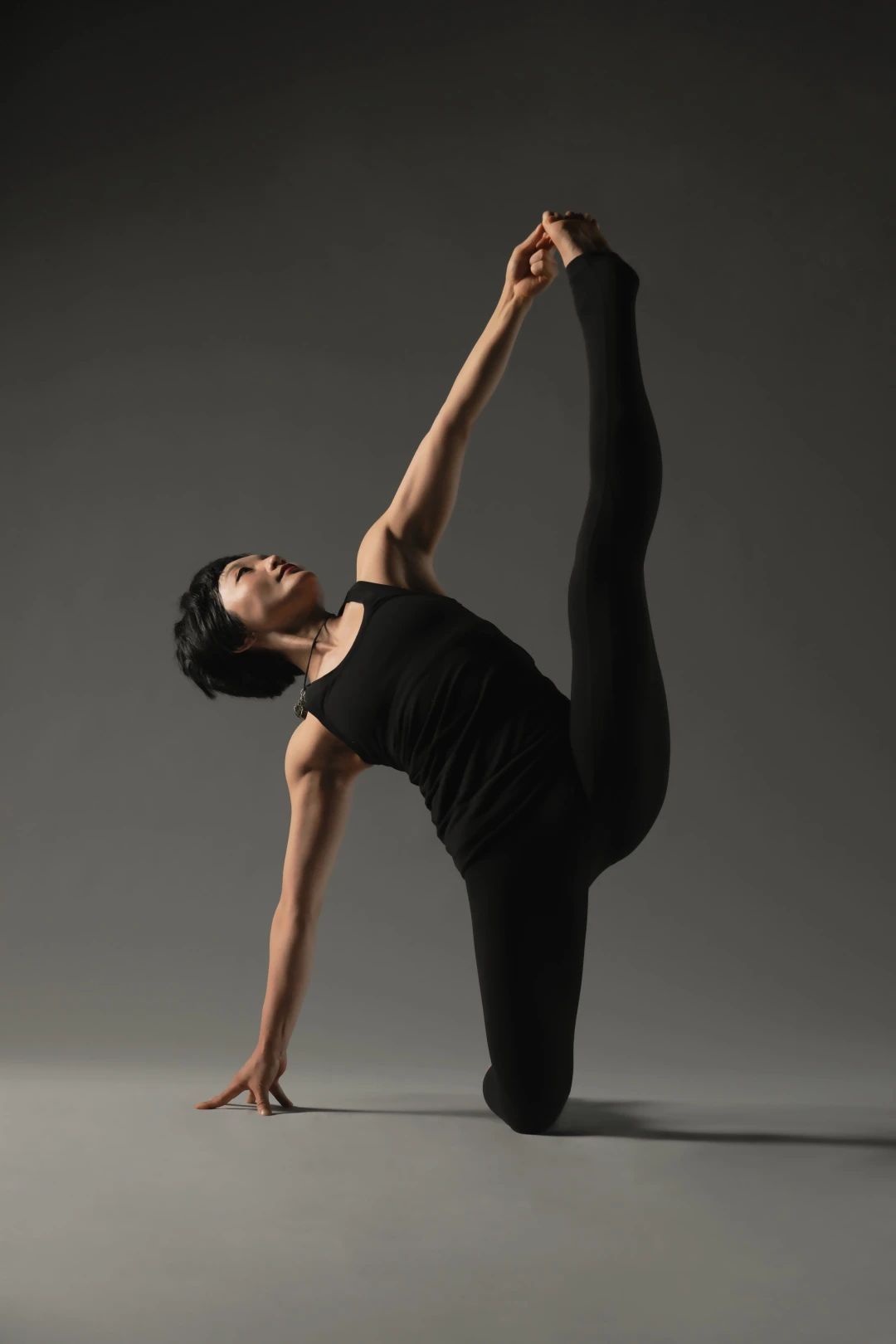
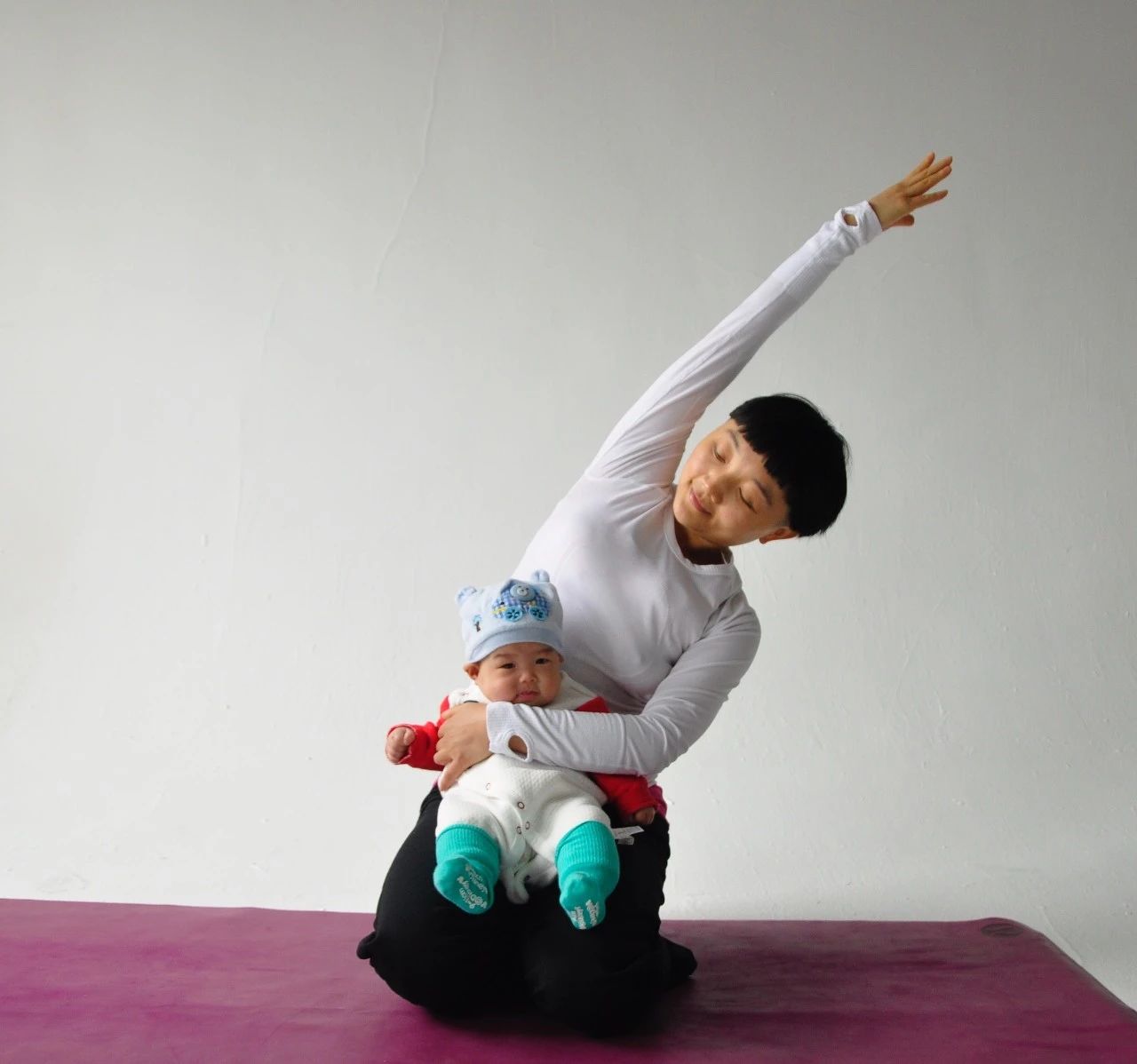
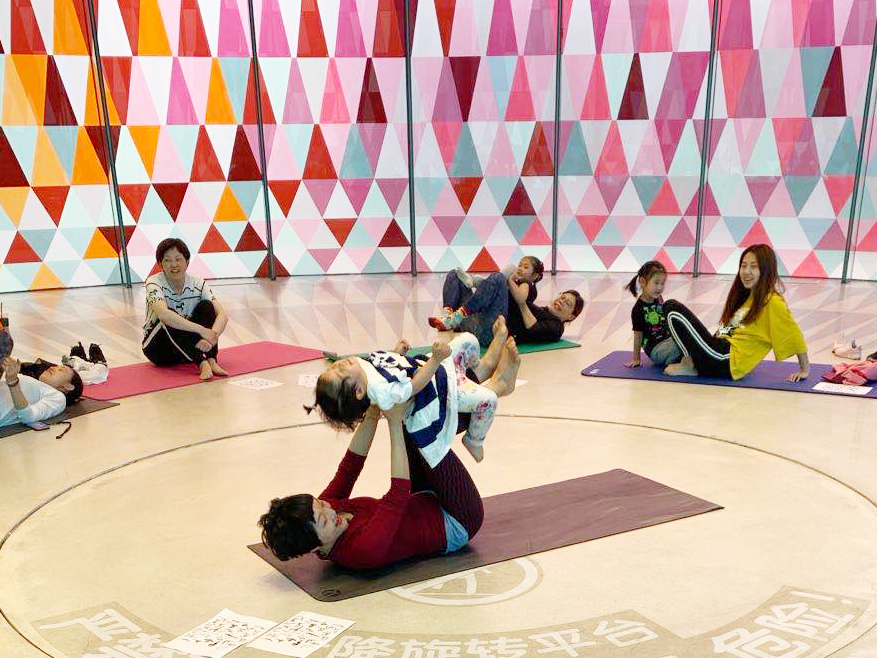
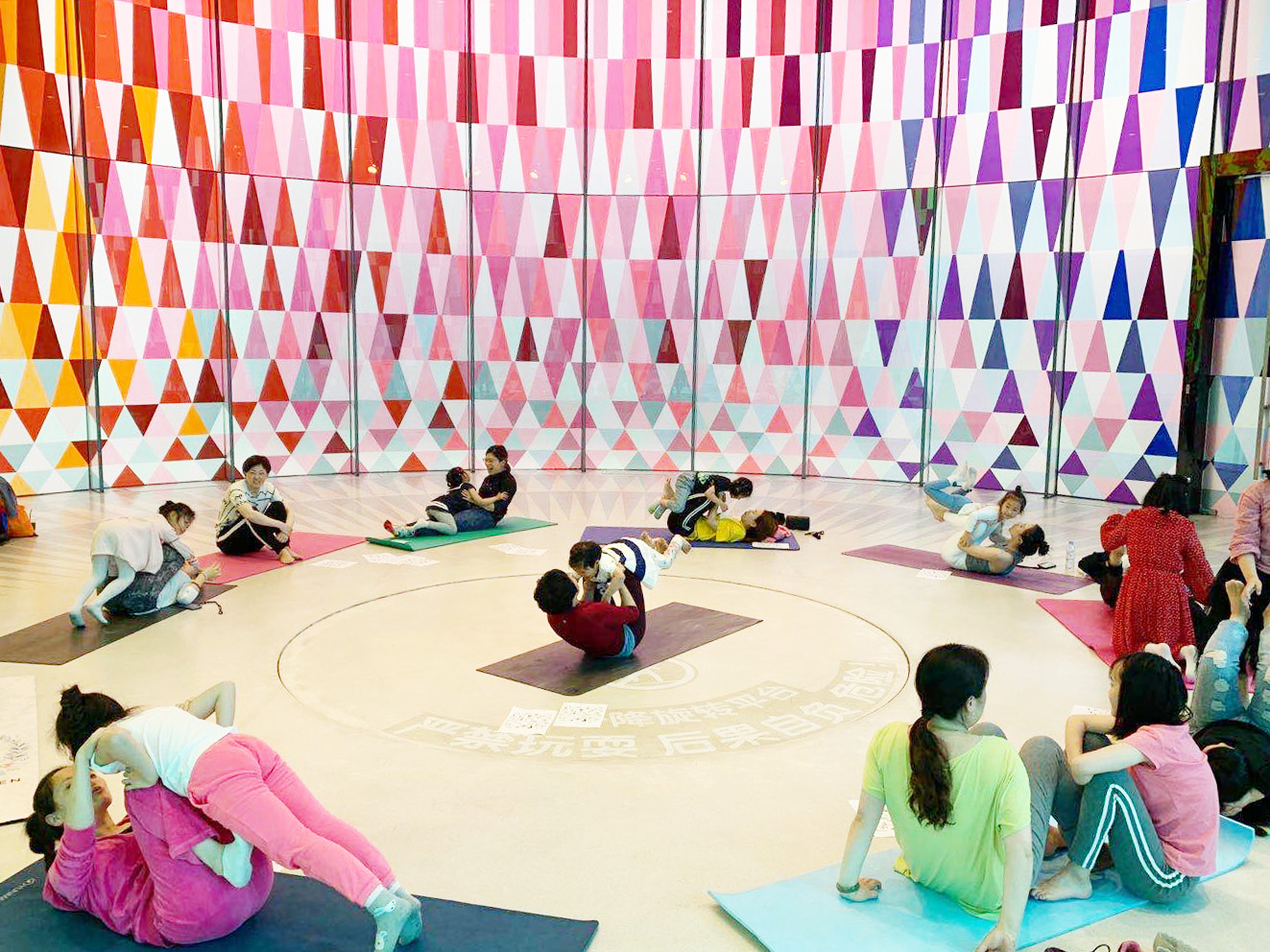
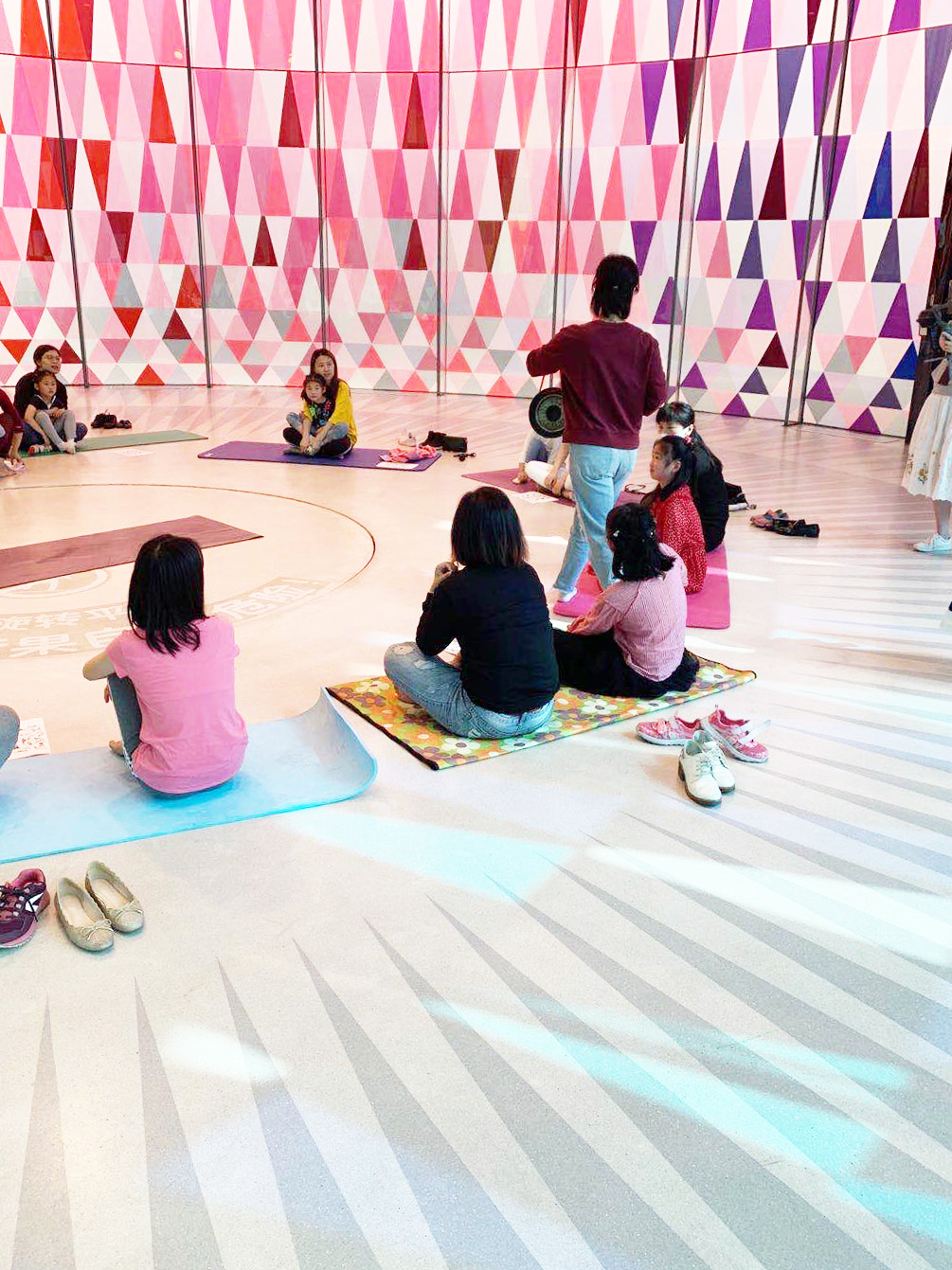
在这个戴着口罩的母亲节,美丽依然可以自由生长。上海玻璃博物馆特邀当代艺术家,Y+瑜伽会馆签约瑜伽老师何雨(Vive He),以及声音冥想倡导者Jane,同妈妈们一起,从“监护者”的身份中自我释放成为“参与者”。通过亲子瑜伽带来的身体律动,儿童不仅能发展最初也最为重要的内在感官,如触觉、生命觉、动觉、听觉和平衡觉,其他能力如倾听、回应、图形想象、音乐律动和亲密互动也能在此过程中得到提升。


在博物馆中“动”起来,这个“动”不光指向身体的灵活与肌肤的接触,亦有亲子关系间的流动与沟通。

MOTHER’S DAY WORKSHOP:

The Same Breath of Life

May 10, 2020


The Museum’s cultural program contains many parent-child projects, and we always see mothers sitting in the back row watching the children or sitting next to them to calm them down, helping them to keep pace of the program. Is it possible that parents not only accompany the children, but also draw equal nourishment from the same period of time in which they receive museum educational resources?

On this Mother’s Day with a mask on, beauty is still free to grow. SHMOG invited Vive He, contemporary artist and yoga teacher, and Jane, advocate of sound meditation, to guide mothers releasing their every role of “guardian” to become a “participant.” Through the physical rhythms of parent-child yoga, children could not only develop their first and most important inner senses of touch, vitality, movement, hearing and balance, but also other skills such as listening, response, graphic imagery, musical rhythm and intimate interaction.

The “movement” in the museum not only refers to the flexibility and body contact, but also to the flow and communication of the parent-child relationship.

Insert Alt Text
Insert Alt Text
Insert Alt Text
Insert Alt Text
Insert Alt Text
Insert Alt Text
Insert Alt Text
Insert Alt Text

上海玻璃博物馆1月讲座回顾
Review of Shanghai Museum of Glass’s Lectures in January

2019年3月1日 / no comments

上海玻璃博物馆1月讲座回顾


1月19日,“谁的考古学”工作坊

艺术家中田一志的首场国内个展——《我的考古学》正在上海玻璃博物馆展出,艺术家在展览中分享了“他眼中的考古学”。为了揭开考古学的“神秘”面纱,帮助大众形成对这门学科的正确认识,上海玻璃博物馆于2019年1月19日策划了“谁的考古学”工作坊,邀请了三位来自不同领域的特别嘉宾为我们分享他们对于“考古学”的一些解读。

首先,由上海历史博物馆馆员戎静侃老师为我们介绍“考古学”,对考古学研究的理论框架和范围、对象、方法做一个完整的勾勒。其次,虞思明律师从现行法律的视角来看考古学,针对“谁的”做一些讨论。最后,策展人阳昕从艺术家的角度出发,讲述艺术家是如何看待这样一门有些神秘的学科。

观众伴随着热乎乎的冬日暖饮,与现场嘉宾进行了热切的交流,分享各自对于考古学的理解和困惑。通过此次工作坊活动,观众对于考古学家的工作有了更加科学的认识,同时也对考古的意义、文物及其蕴含的科学和艺术信息有了更深的体会。

1月26日,“饮茶二三事”讲座

不久前热播的电视剧《知否》对宋人的闲适生活进行了细致的描绘,博物馆也希望能借此机会让大家了解宋人的风雅生活,尤其是与饮茶相关的文化。

1月26日,上海玻璃博物馆举办了“饮茶二三事”讲座活动,并非常有幸地请到了上海复旦大学的赵琳老师。赵琳老师以热播电视剧《知否》为切入点,为我们介绍了宋代茶事的备茶过程以及备茶过程中会用到的各种器具,展示了相关的文献和实物。

通过讲座,观众了解到了关于宋代饮茶的一些小故事和知识,并积极参与讲座后的问答小环节。讲座结束后,观众在王沁老师的带领下参观了“玻心璃语”工作室,感受玻璃与当代饮茶文化的关联。

“谁的考古学”工作坊和“饮茶二三事”讲座是上海玻璃博物馆2019年开年的两场公教活动,得到了观众的积极反馈,观众亦期待博物馆之后能策划出更丰富多样的教育活动。在2019年接下来的日子里,博物馆也会继续以展览为依托举办相关的教育活动和一系列对谈讲座,请大家关注和期待!


19 January, Workshop: “Whose Archaeology”

My Archaeology, the first solo exhibition of artist Kazushi Nakada in China, is on display in Shanghai Museum of Glass, whereby Nakada shares the “Archaeology in his view”. To unveil the authentic “mysterious” archaeology, Shanghai Museum of Glass organized the workshop “Whose Archaeology”, invited three guests from different fields to share their interpretation of “Archaeology” with the audience.

Firstly, Mr. Rong Jingkan, archaeologist and researcher of Shanghai History Museum introduced archaeology the subject per se, outlined the theory frame of archaeology and its scope, object, and methodology. Then lawyer Mr. Yu Siming shared his view on the ownership of excavated objects from a legal perspective, led a discussion on “whose”. Finally, curator of the exhibition Cathey Yang narrated how artist Nakada viewed this seemingly mysterious discipline from the artist’s angle.
In the interaction section, audiences shared their understanding and confuse on archaeology with three guests. Through this workshop, the audiences learnt scientific cognition on the work of archaeologists and experienced the meaning of archaeology as well as the scientific and artistic information within cultural relics.

26 January, Lecture: Tradition of Tea Drinking in the Song Dynasty and Modern Time

The television series Story of Ming Lan depicts the everyday leisure of people in the Song dynasty in detail and attracts much attention. Accordingly, Shanghai Museum of Glass wants to take this chance to introduce the Song dynasty people’s life with gentility, especially the tea-drinking related culture.

On 26 January, Shanghai Museum of Glass invited Ms. Zhao Lin, an expert on Chinese art history and material culture from Fudan University, and hosted the lecture: Tradition of Tea Drinking in the Song Dynasty and Modern Time. With the demonstration on the tools and archive, Ms. Zhao Lin introduced how a proper tea ceremony was prepared and enjoyed in the Song dynasty, and the material culture involved in the process.
Audiences learnt the knowledge and hidden story behind the Song dynasty tea drinking ceremony through the lecture and the questioning section. At the end of lecture, audience followed artist Wang Qin, visited the “Let’s Talk Glass” workshop to experience the contemporary tea culture and its connection with glass.

Workshop “Whose Archaeology” and Lecture about tea drinking culture were two initial public events in 2019 by Shanghai Museum of Glass. The museum will arrange further exhibition-related events in 2019, including workshop, talks and tours. Follow us on social media for further information and coming events notice.

Insert Alt Text
Insert Alt Text
Insert Alt Text
Insert Alt Text
Insert Alt Text

上海玻璃博物馆的GLASSY NEW YEAR
SHANGHAI MUSEUM OF GLASSY’S GLASSY NEW YEAR

2019年3月1日 / no comments

上海玻璃博物馆的GLASSY NEW YEAR

2019年2月5日


2019己亥猪年的上海玻璃博物馆一如既往,陪伴观众度过了整个春节假期。

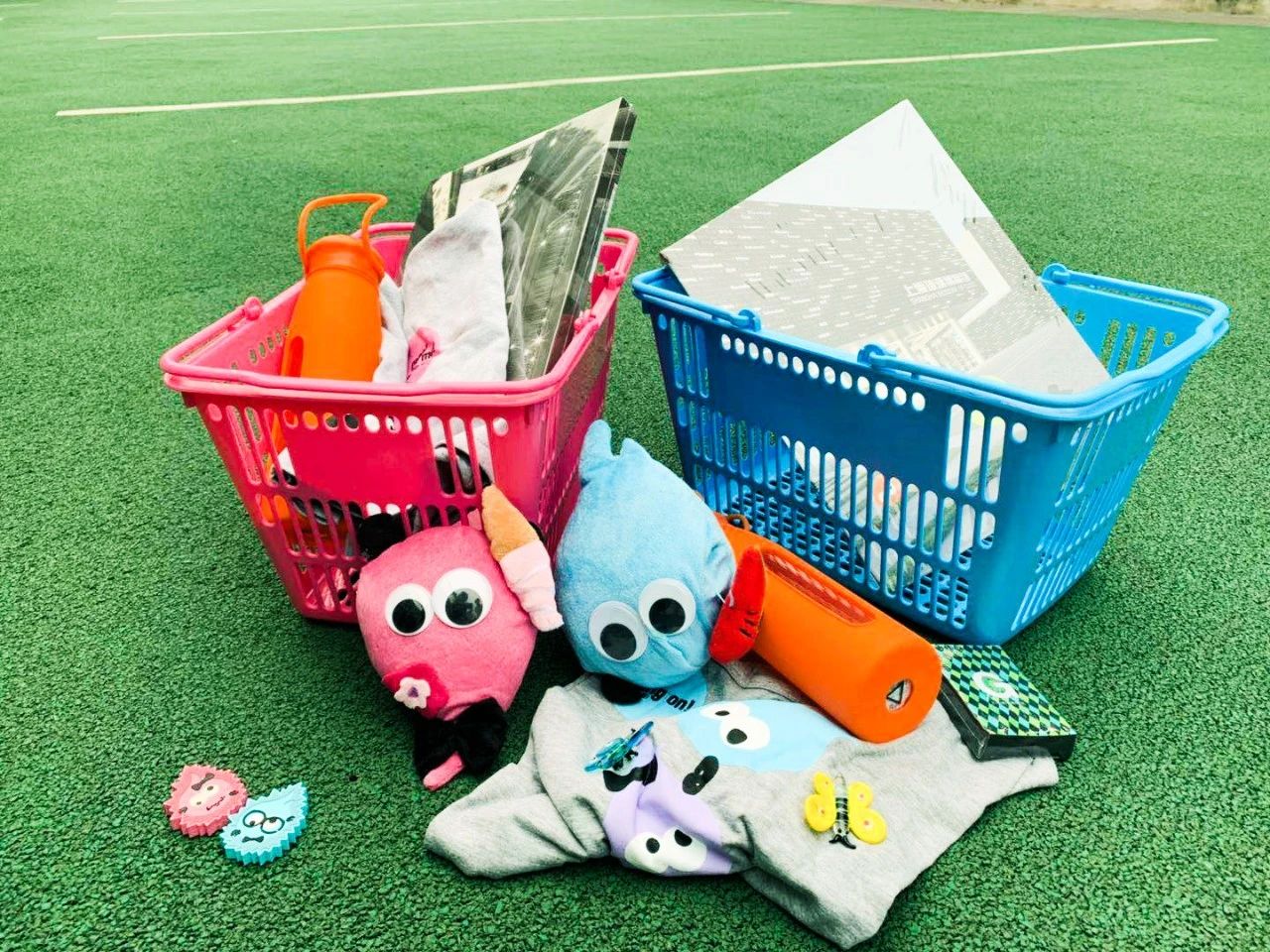
大年初一开馆后,博物馆馆长张琳先生在再设计过的博物馆大堂为观众们送上新春祝福,发放新春艺术礼包,里面包含了猪年玻璃艺术摆件和博物馆GLASSY杂志最新刊。中国丝绸博物馆的赵丰馆长和复旦大学文物与博物馆学专业的郑奕教授也在初一来到了上海玻璃博物馆参观交流。

年初一2月5日和初三2月7日下午,馆长张琳先生在分别在博物馆主场馆和“BRKN/破碎”特展展厅各自带来了一场面向公众的新春导览,讲述了玻璃的历史和当下,展览的诞生缘由,以及那一组组展品背后那引人入胜的故事。

春节期间博物馆也迎来了两件大型装置作品的全新亮相。

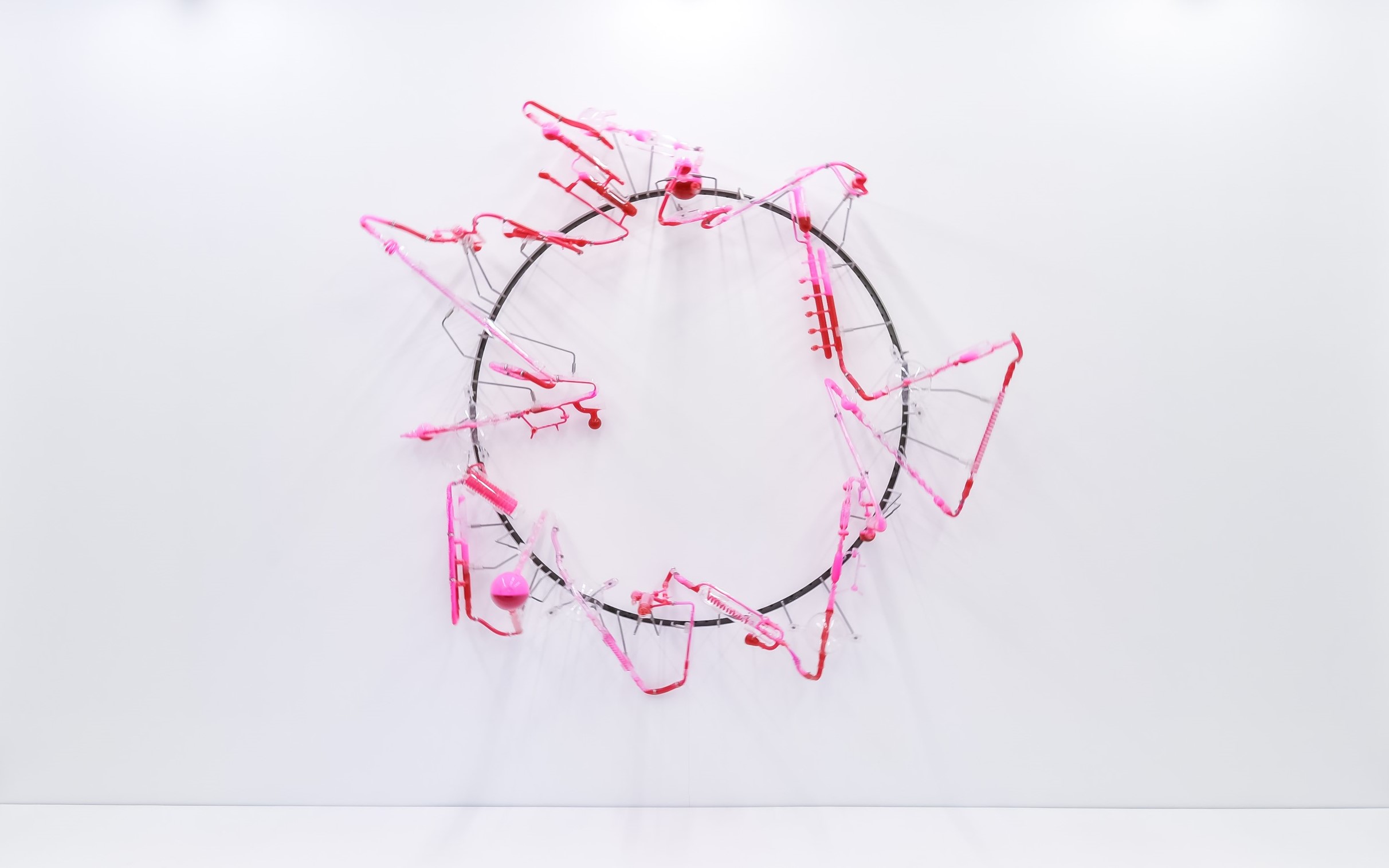
艺术家林天苗女士的装置作品《暖流》,在历经两个多月的现场搭建、安装和调试后,以更加惊人的体量,在春节重归上海玻璃博物馆一楼阳光连廊。《暖流》从科学和药学领域汲取美学元素,是2017年上海玻璃博物馆与艺术家的“退火”项目合作的成果之一。

艺术家杜蒙的装置《彼方,此地》将狭窄的通道,压抑的黑笼,沉重的流沙,让人窥探的猫眼,以及让人内心平静的鸽鸣声交织起来。置身于这个神秘、灵性、略显幽闭感的空间时,观众得以全身心融入到作品的每一个细节之中,感受到作品的多元魅力。

SHANGHAI MUSEUM OF GLASSY’S GLASSY NEW YEAR

February 5, 2019


As in previous years, Shanghai Museum of Glass celebrated the Chinese New Year holiday with visitors together in 2019.

The museum director Mr. Zhang Lin sent the best wishes and an art gift pack to visitors in the renovated museum lobby in the morning of Feb. 5th, the first day of Chinese New Year. The art gift pack included a glass piggy decoration and the latest GLASSY magazine edited by the museum. Mr. Zhao Feng, director of the China Silk Museum, Hangzhou, and Ms. Zheng Yi, associate professor of department of cultural heritage and museology, Fudan University visited the Shanghai Museum of Glass on Feb. 5th as well.

In the afternoon of 5th and 7th February, museum director Mr. Zhang Lin delivered a special guided tour in the main hall and the “BRKN” exhibition respectively, introducing the history and trend of glass, the birth of the BRKN exhibition, as well as the hidden story behind the exhibits.

Additionally, two sets of installations made their debut in Shanghai Museum of Glass in this Chinese New Year holiday.

“Warm Currents”, an installation created by Chinese artist Lin Tianmiao, came back to the Shanghai Museum of Glass with an astonishing larger scale, after a two-month construction and testing. The installation problematizes aesthetics present in the fields of science and medicine, and it is the result of 2017 Annealing Program of Shanghai Museum of Glass.

“Everywhere, Nowhere”, an installation created by Chinese artist Du Meng, intertwines the elements of narrow aisle, black cages, heavy sands, peepholes and calm pigeon cooing together. When visitors stand in this mysterious and spiritual space, they may integrated into every detail of the work and sense its multi-faceted glamour.

Insert Alt Text
Insert Alt Text
Insert Alt Text
Insert Alt Text
Insert Alt Text
Insert Alt Text
Insert Alt Text
Insert Alt Text
Insert Alt Text
Insert Alt Text
Insert Alt Text
Insert Alt Text
Insert Alt Text

2018暑期玻玻璃璃学园
BOBO & LILI School’s Summer Special Events 2018

2018年8月14日 / no comments

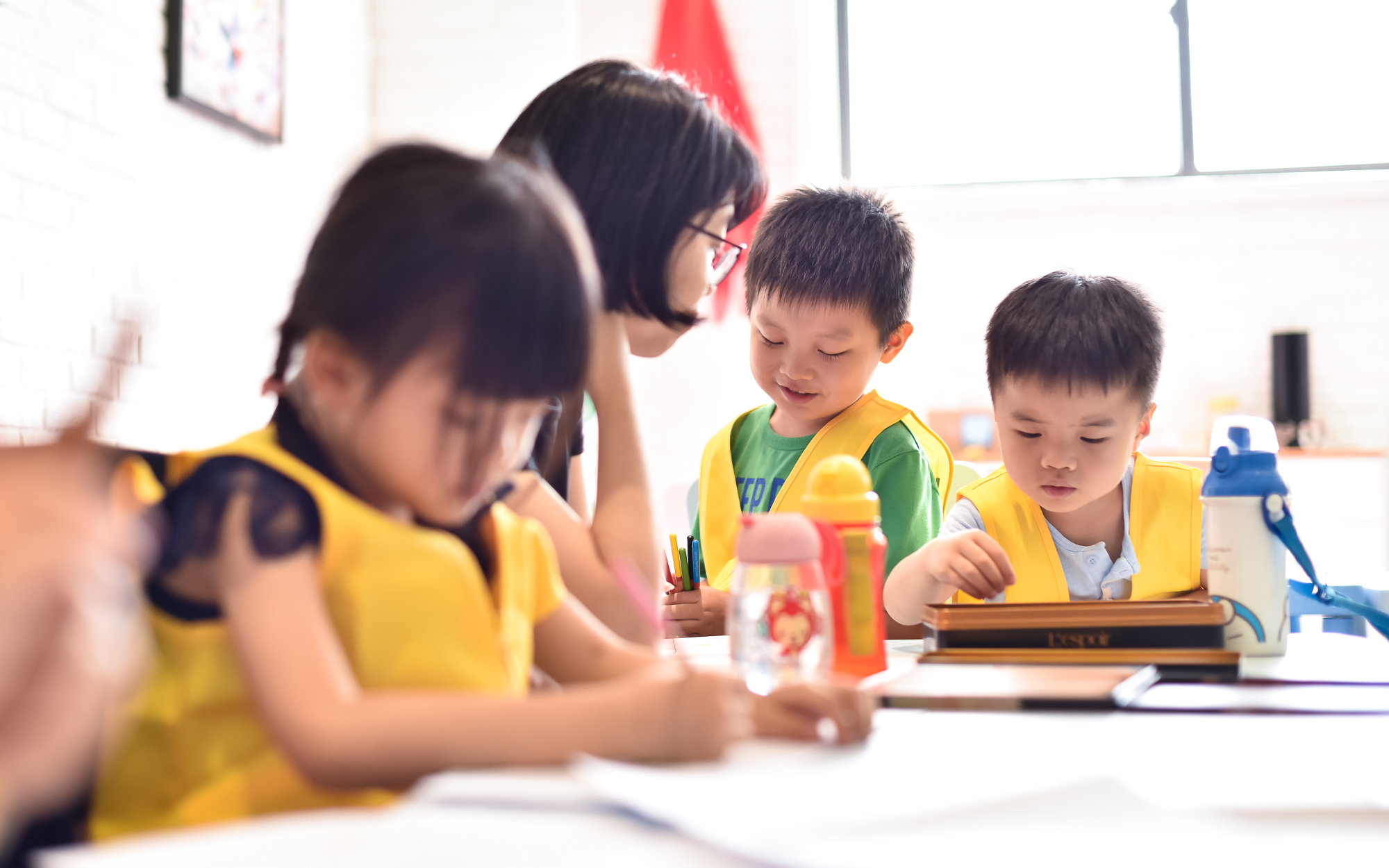
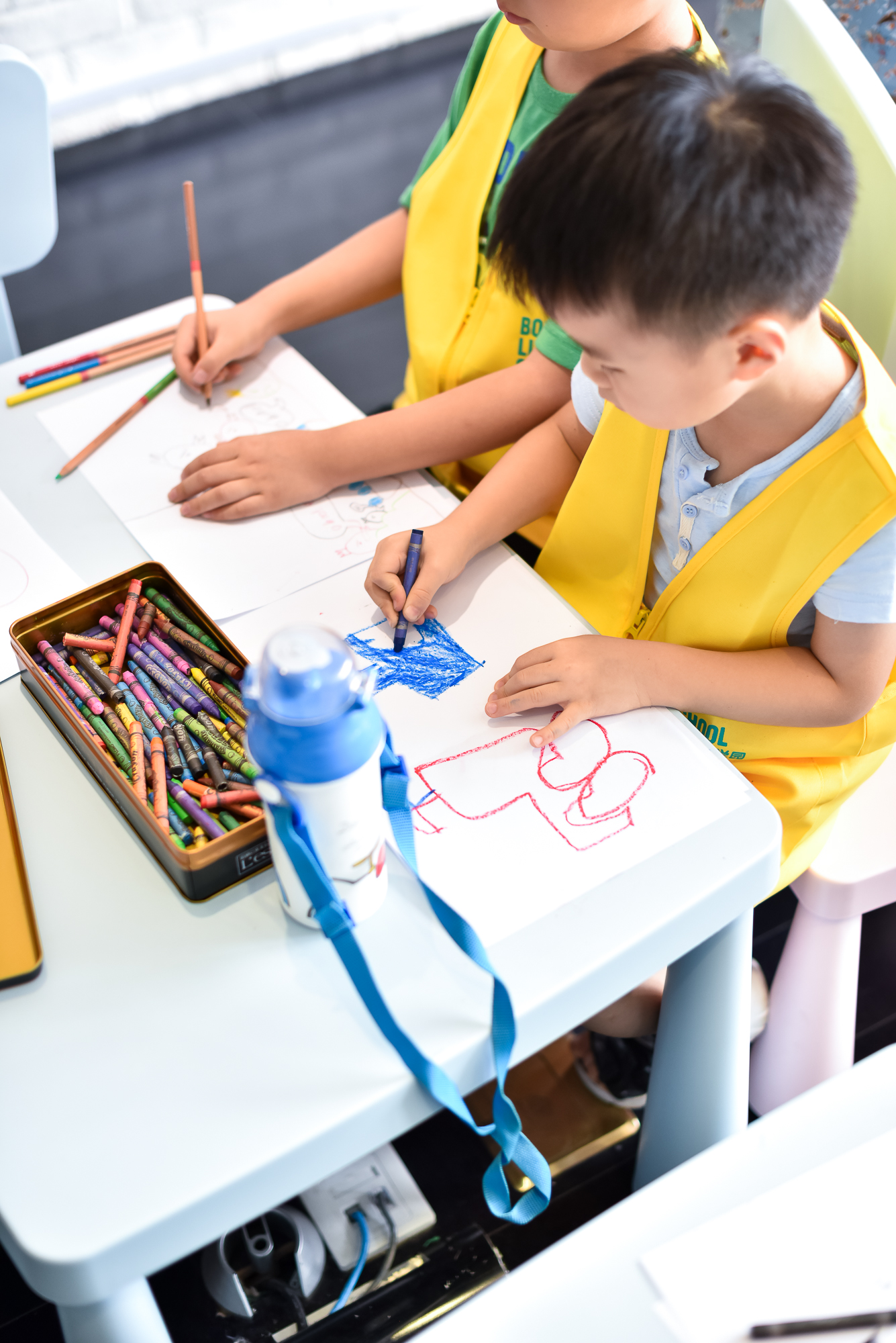
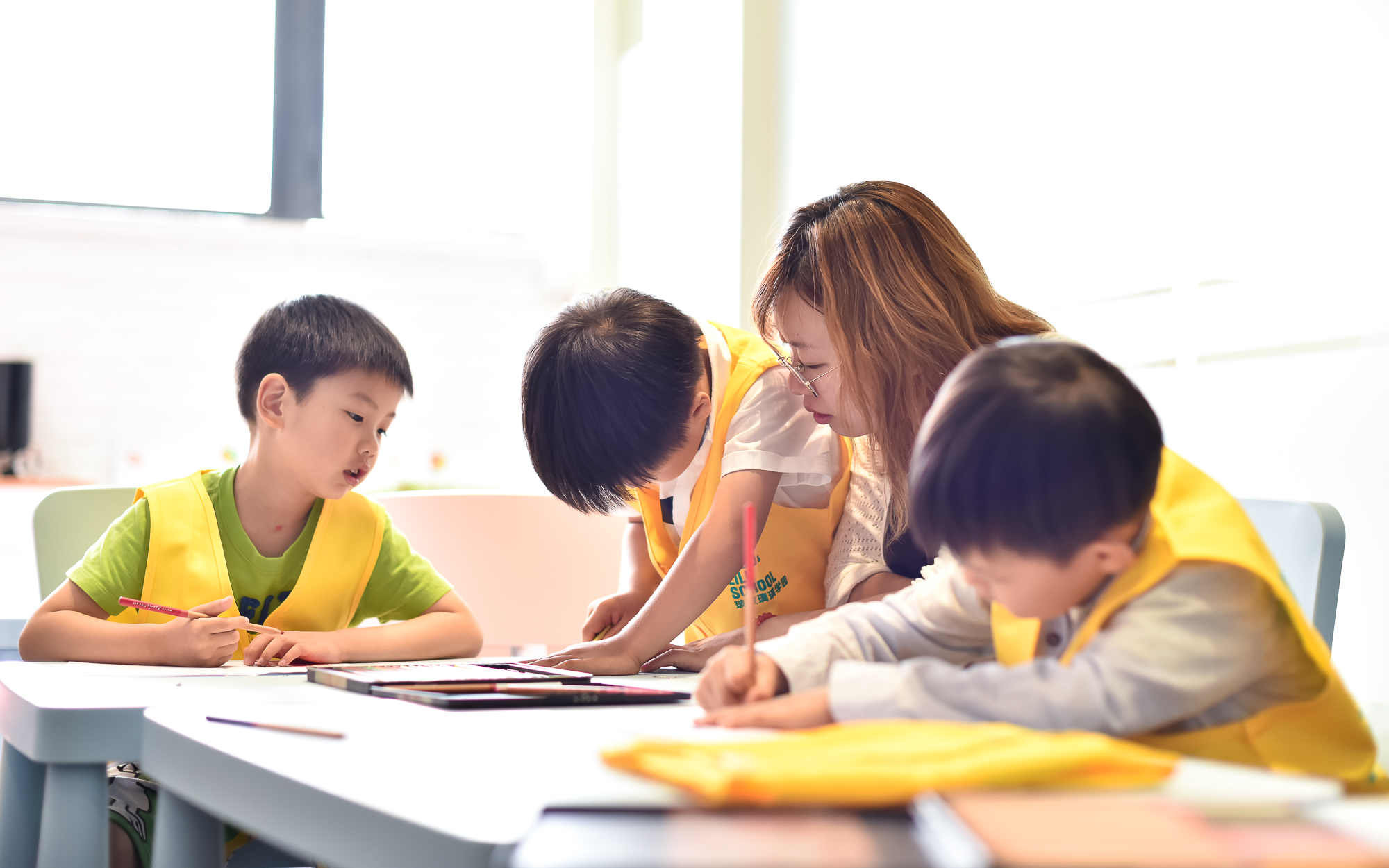
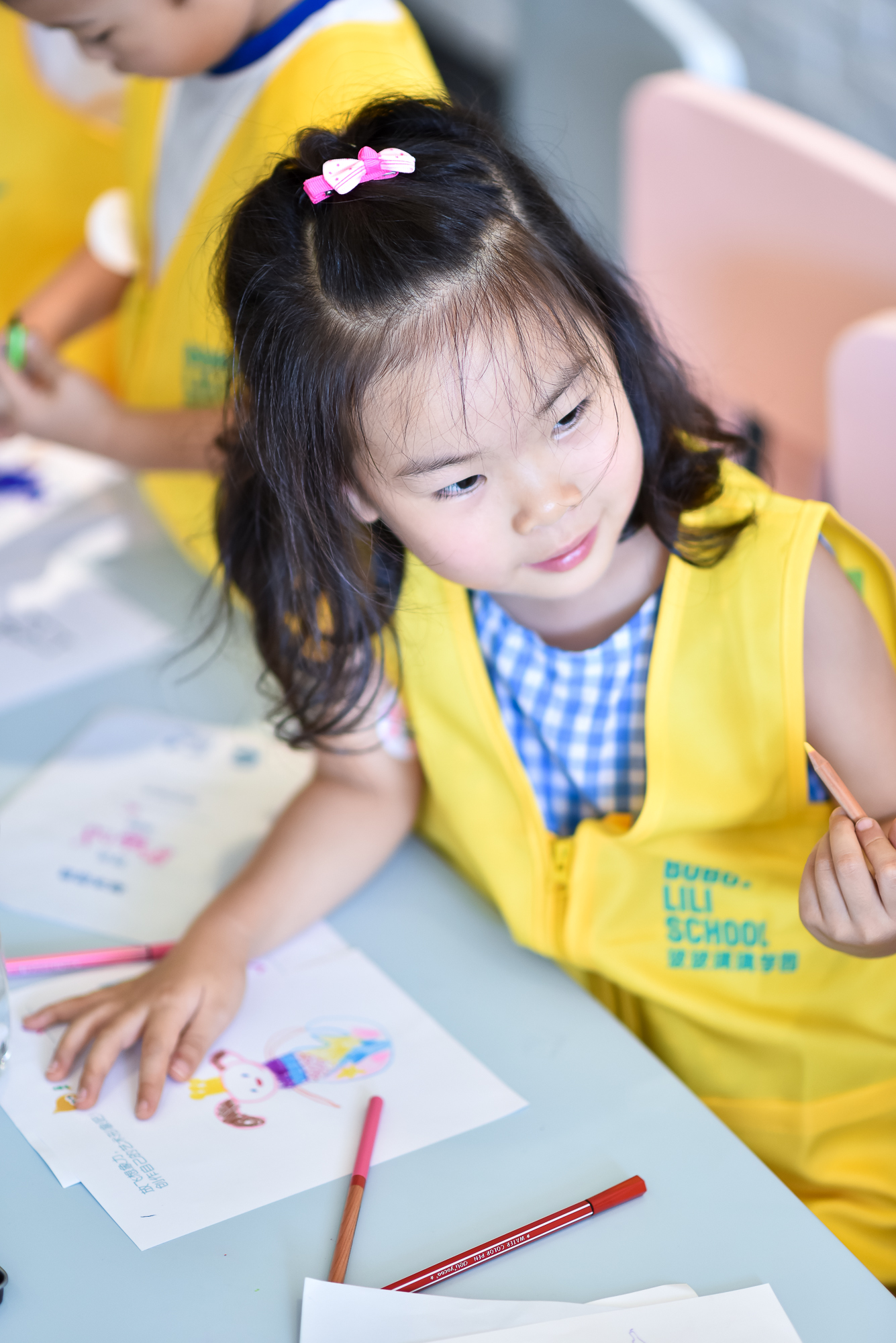
上海玻璃博物馆“玻玻璃璃学园”2018年暑期特别活动


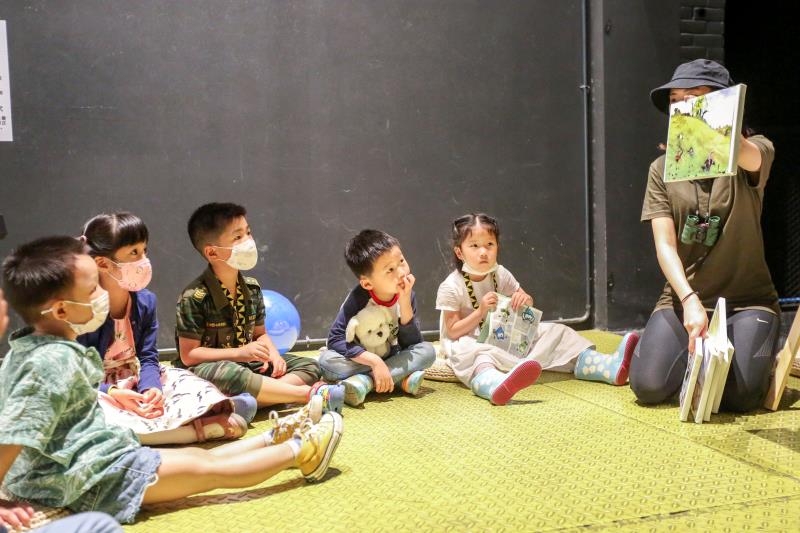
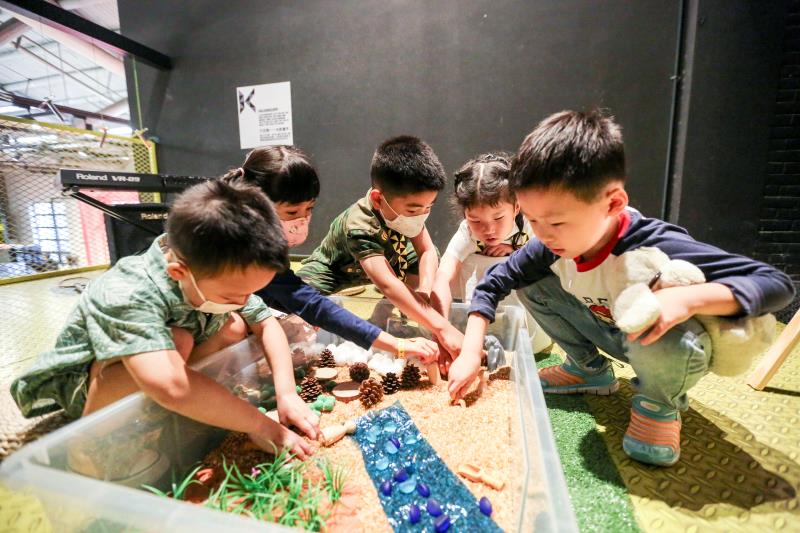
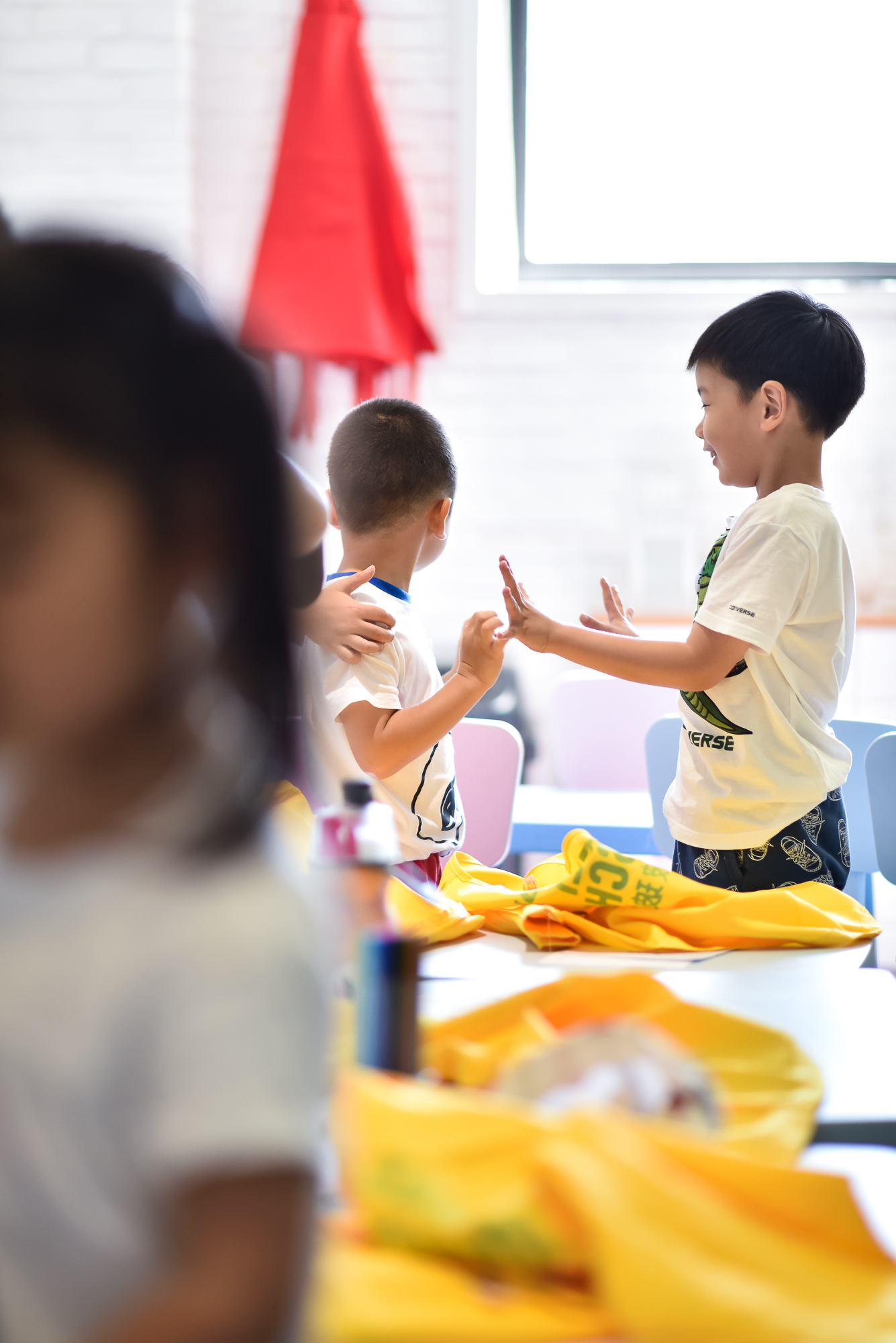
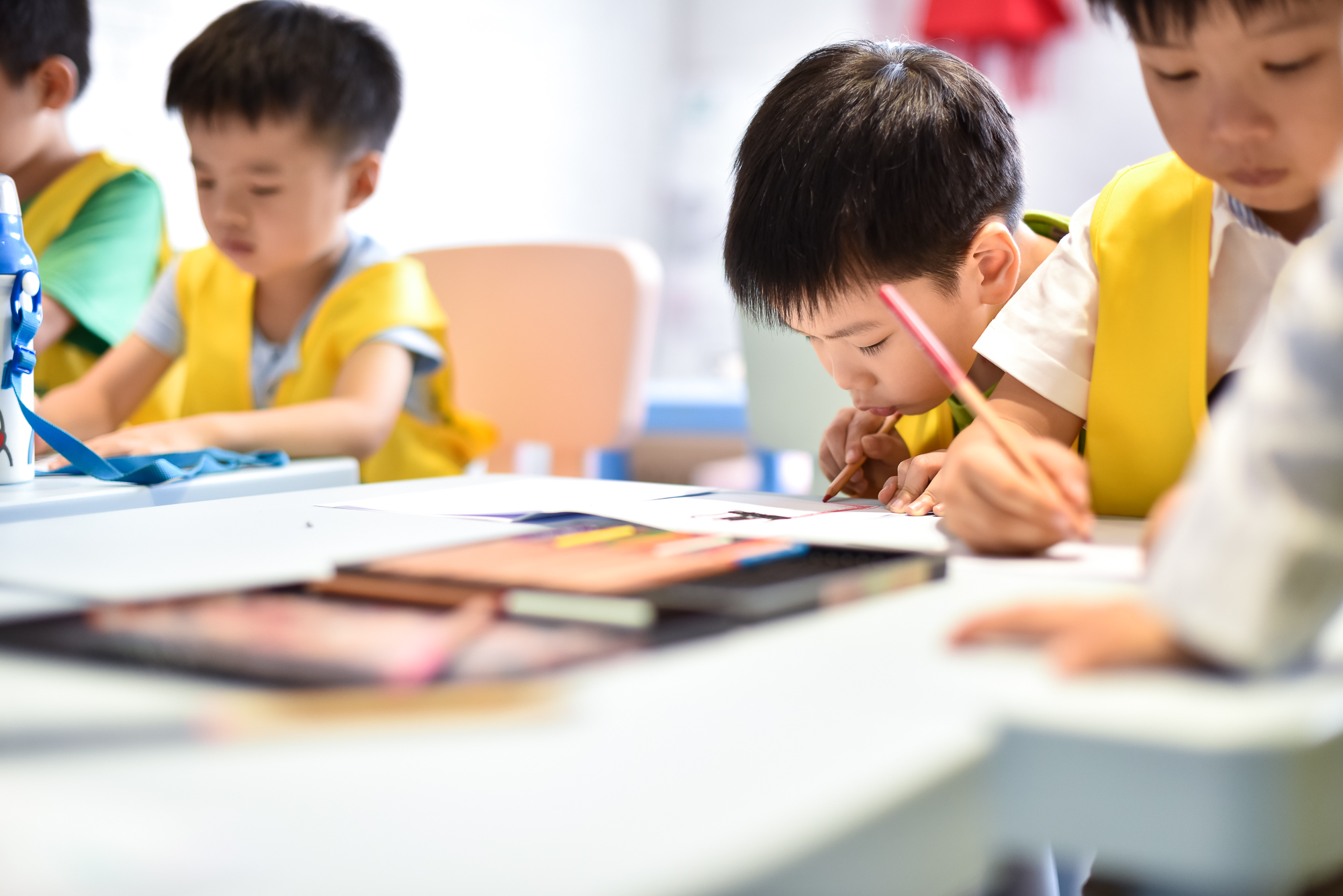
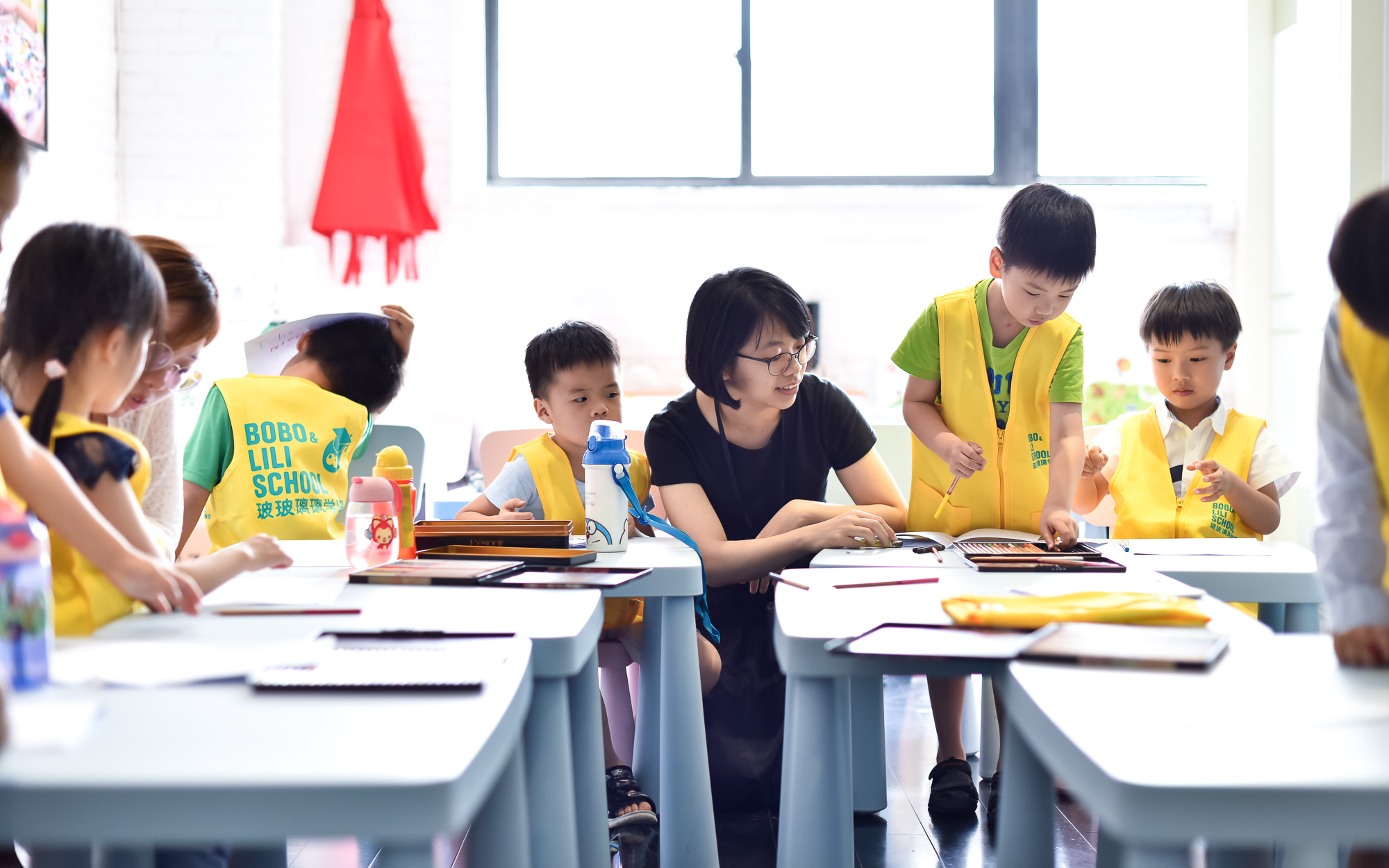
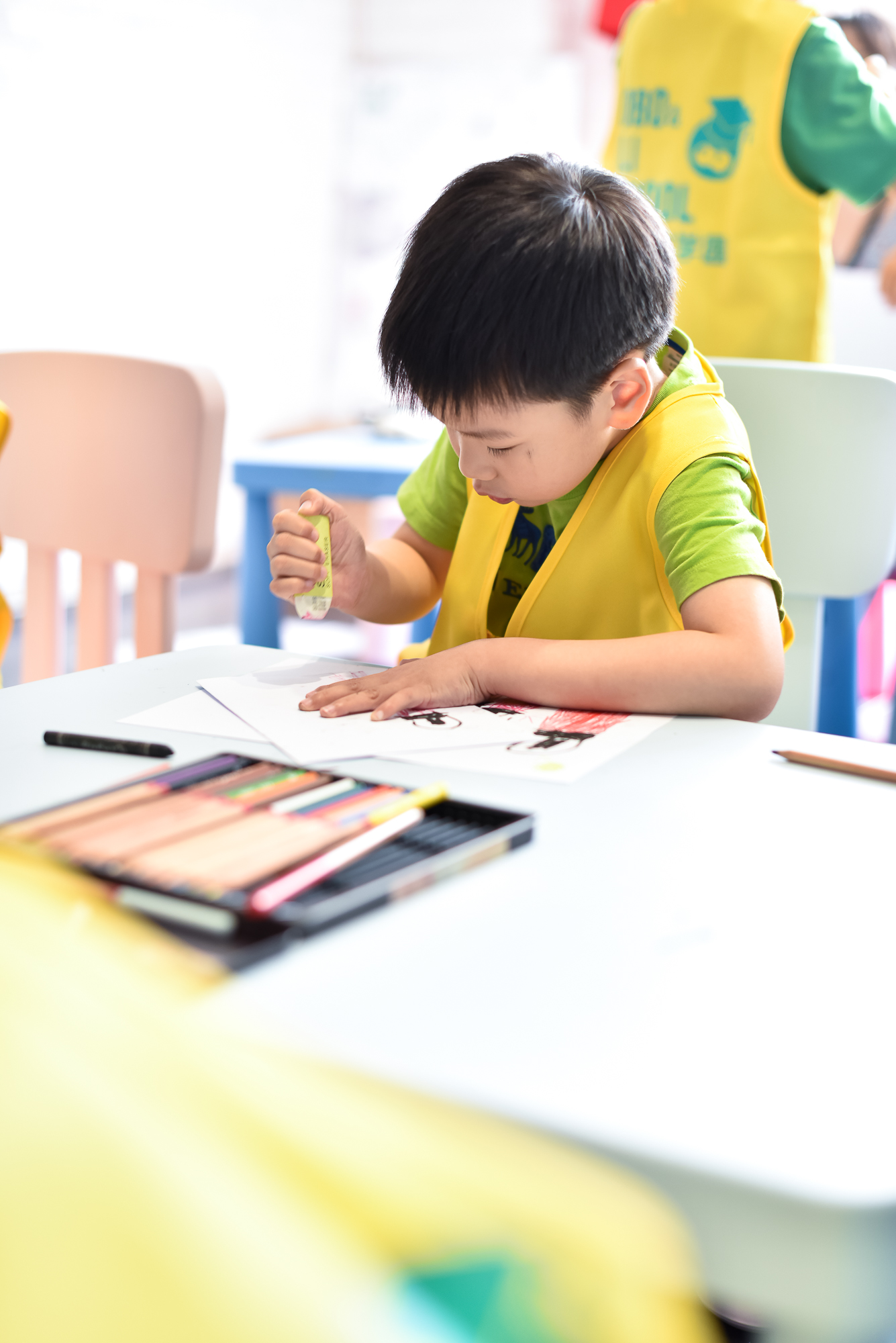
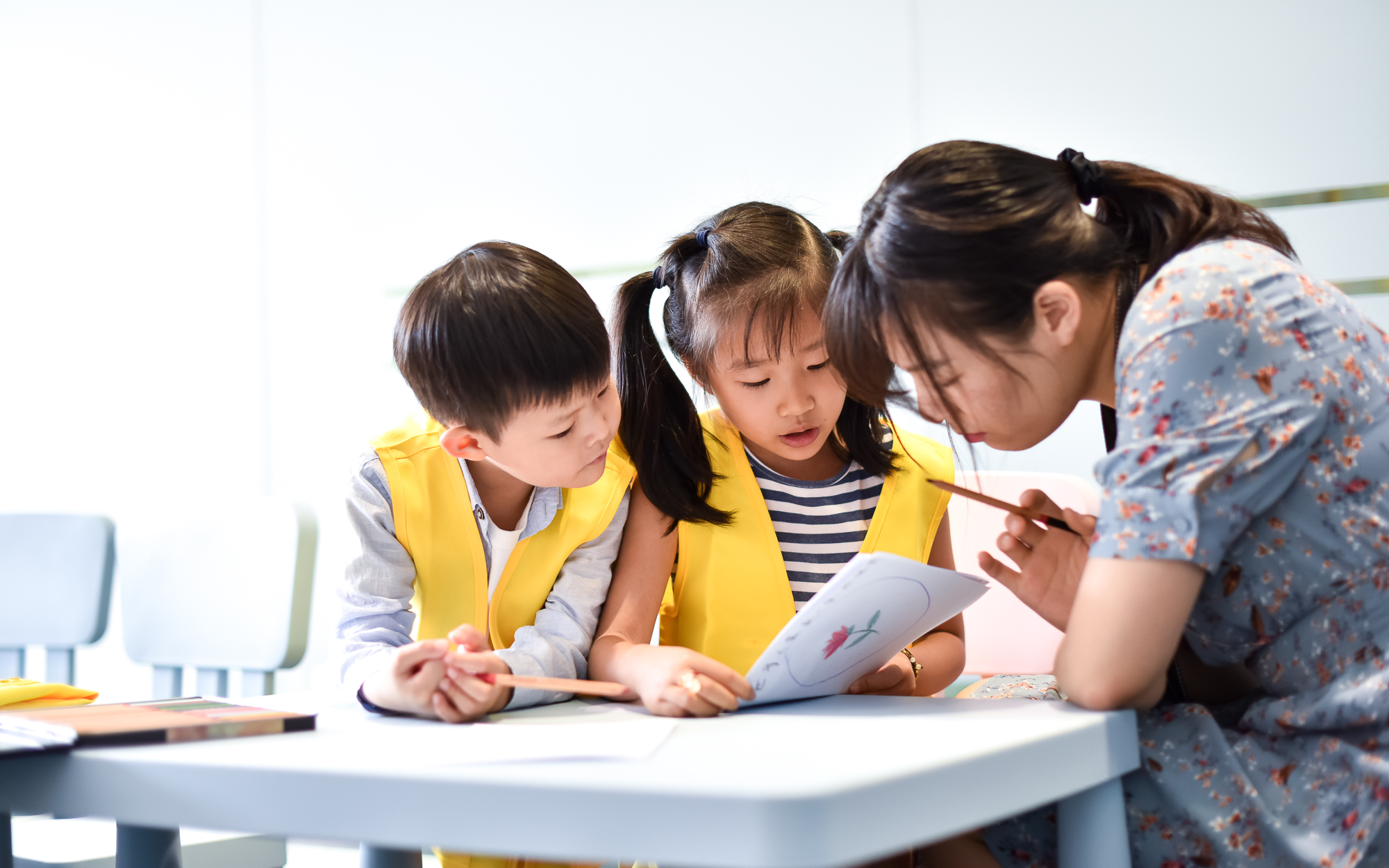
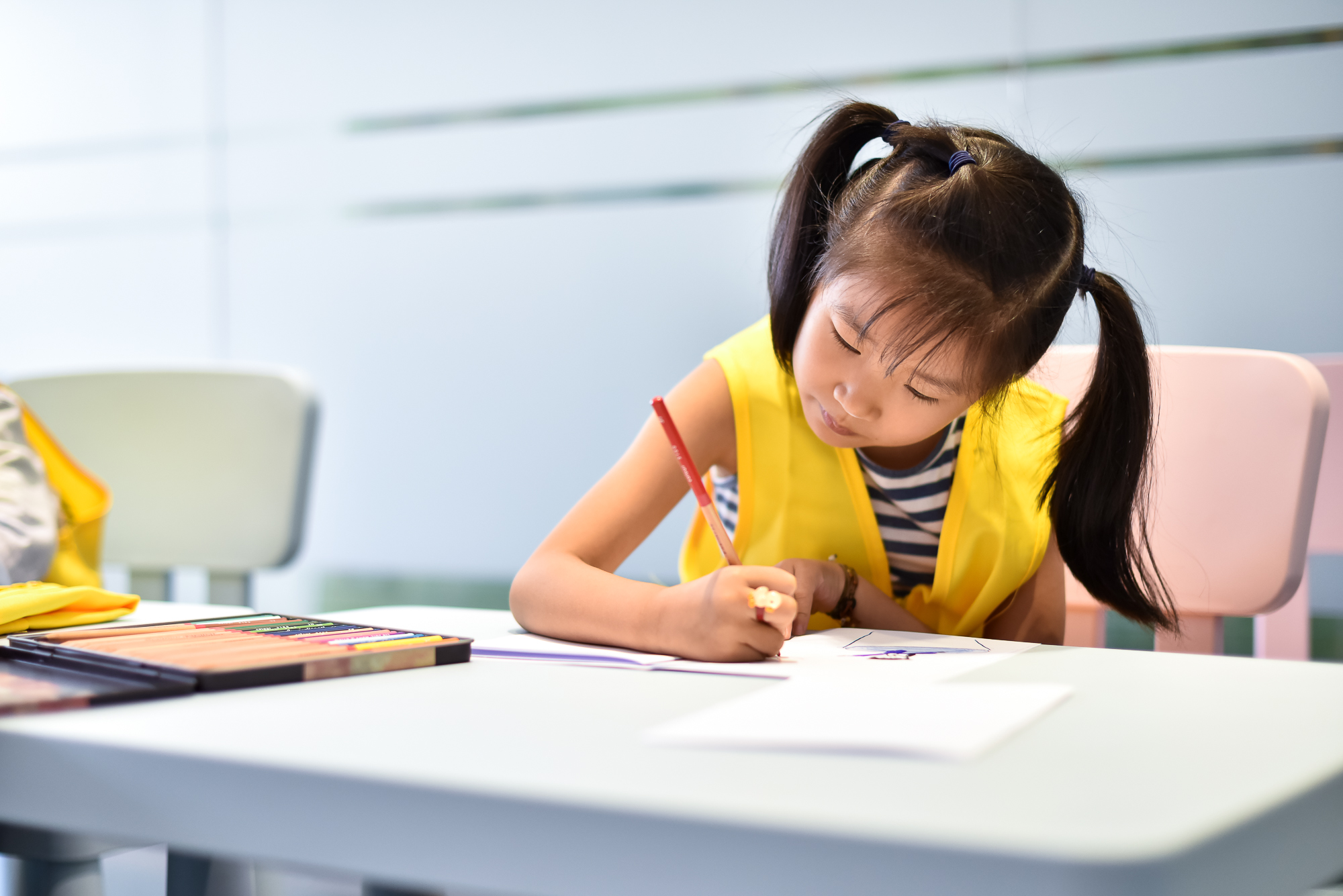
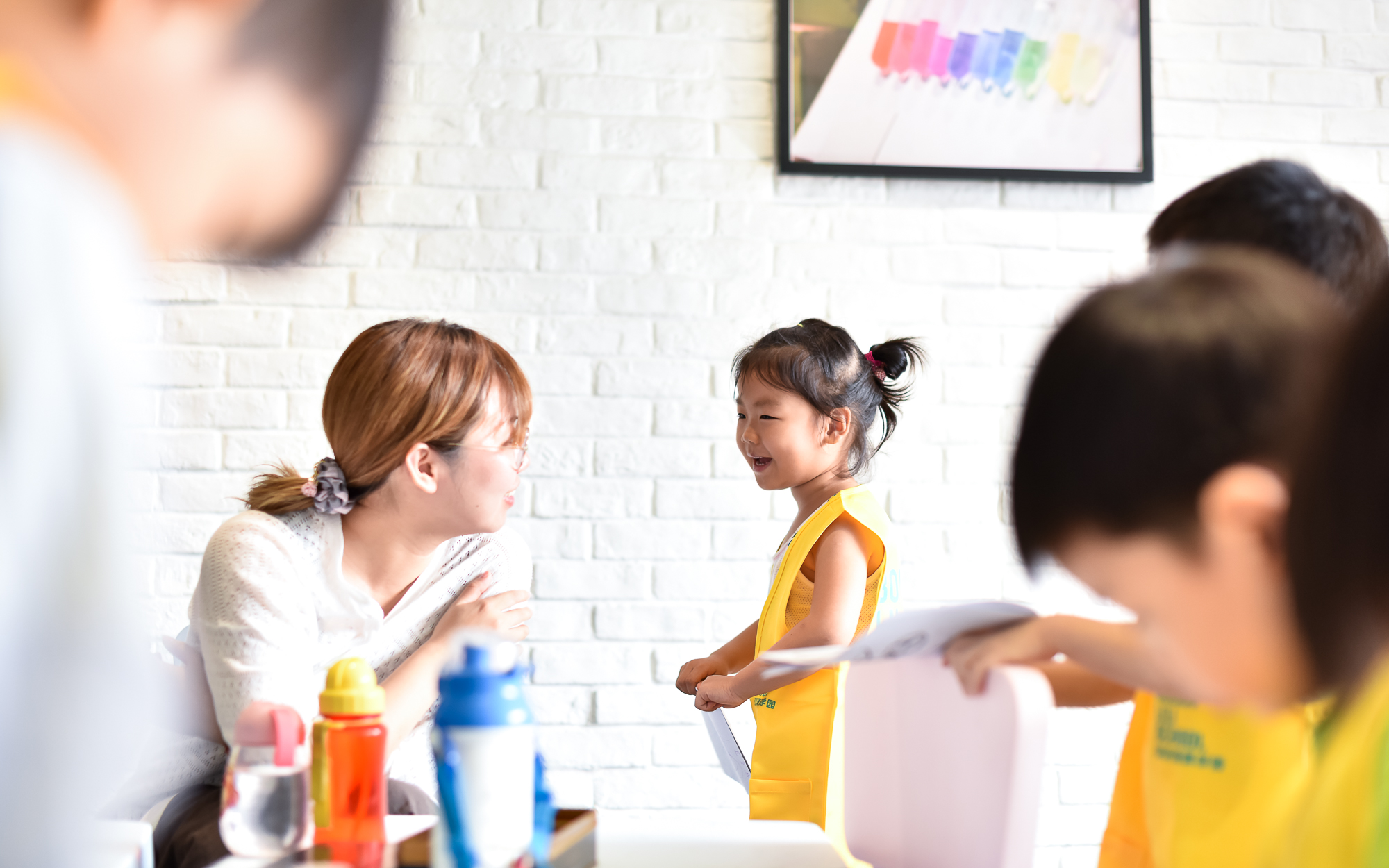
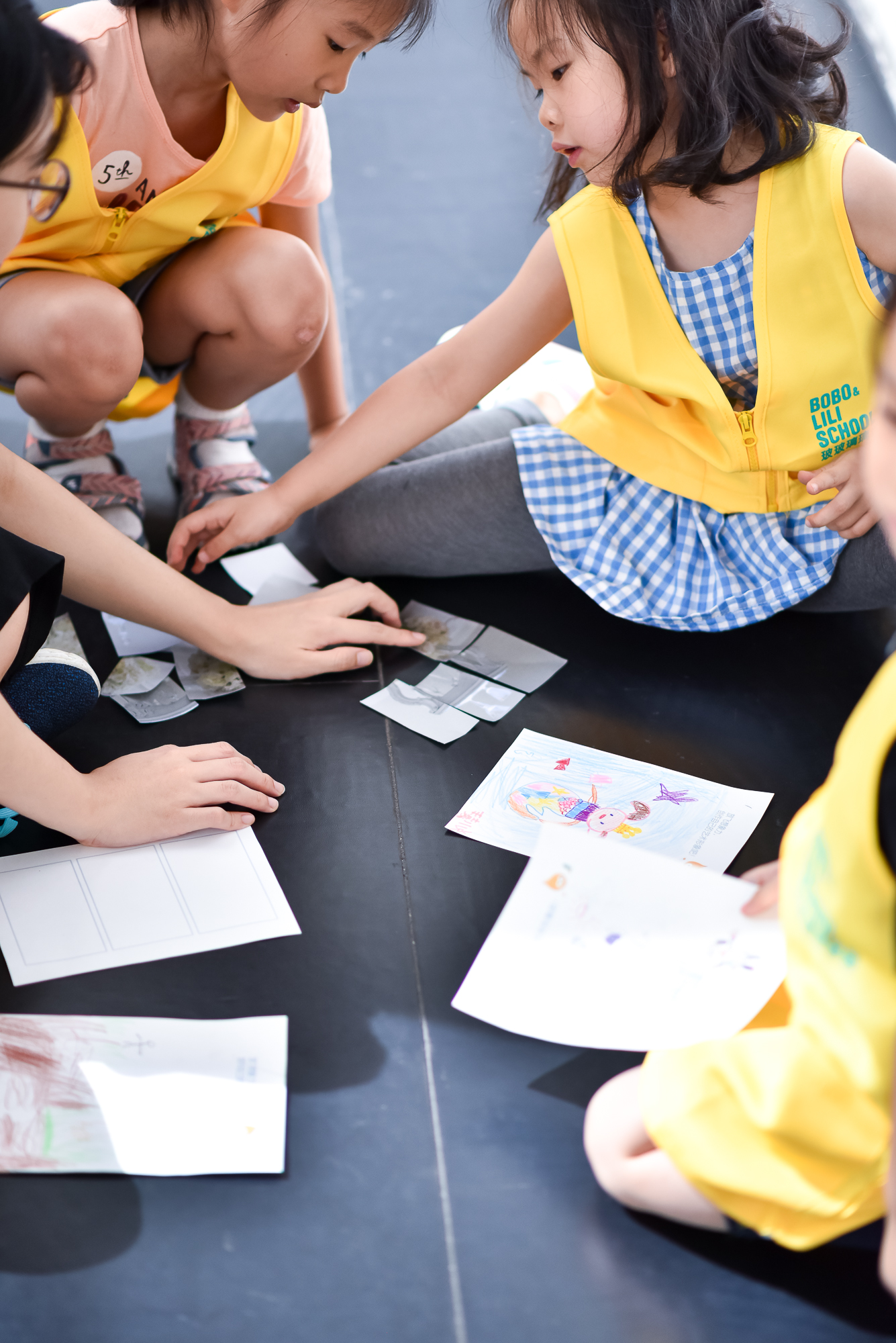
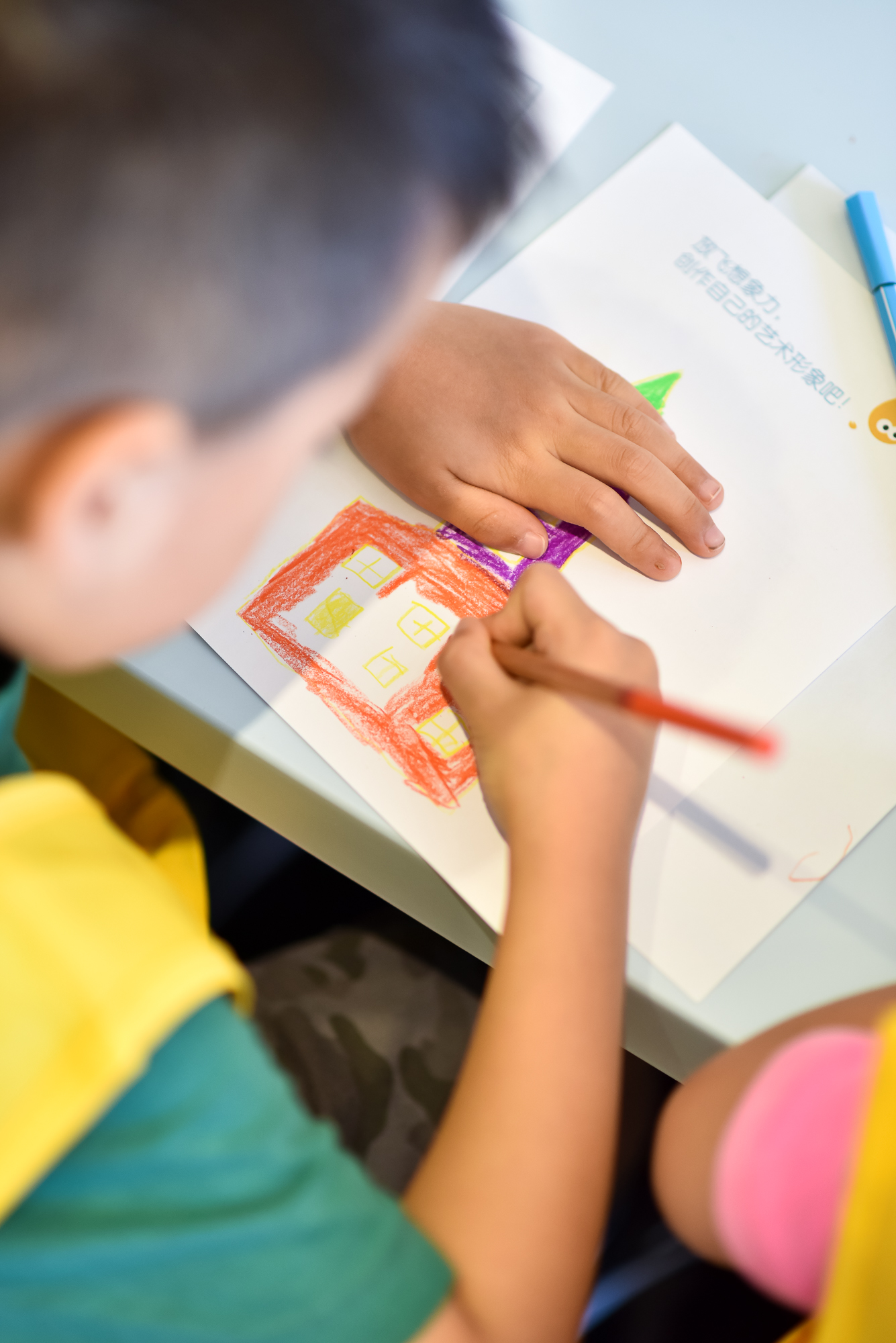
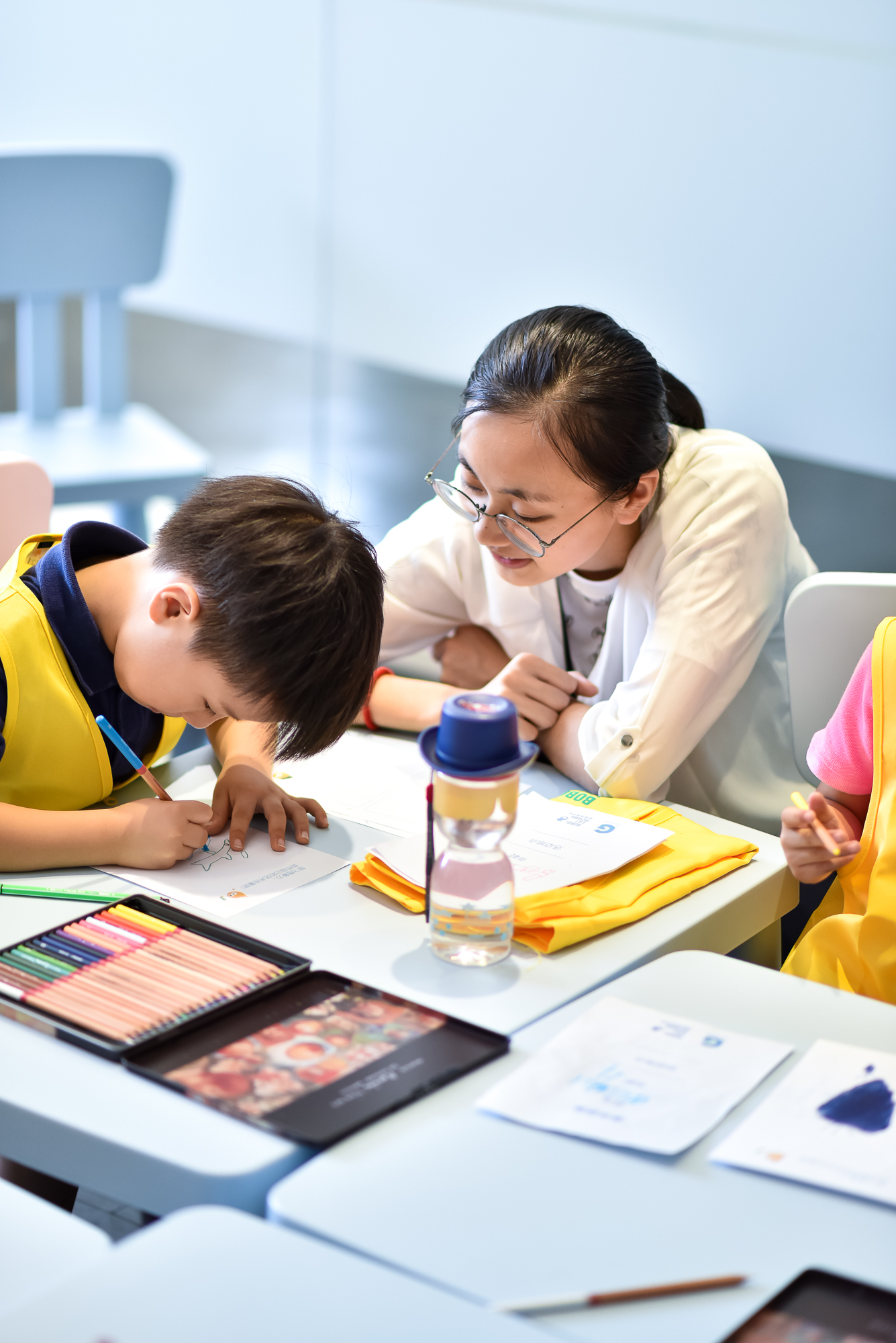
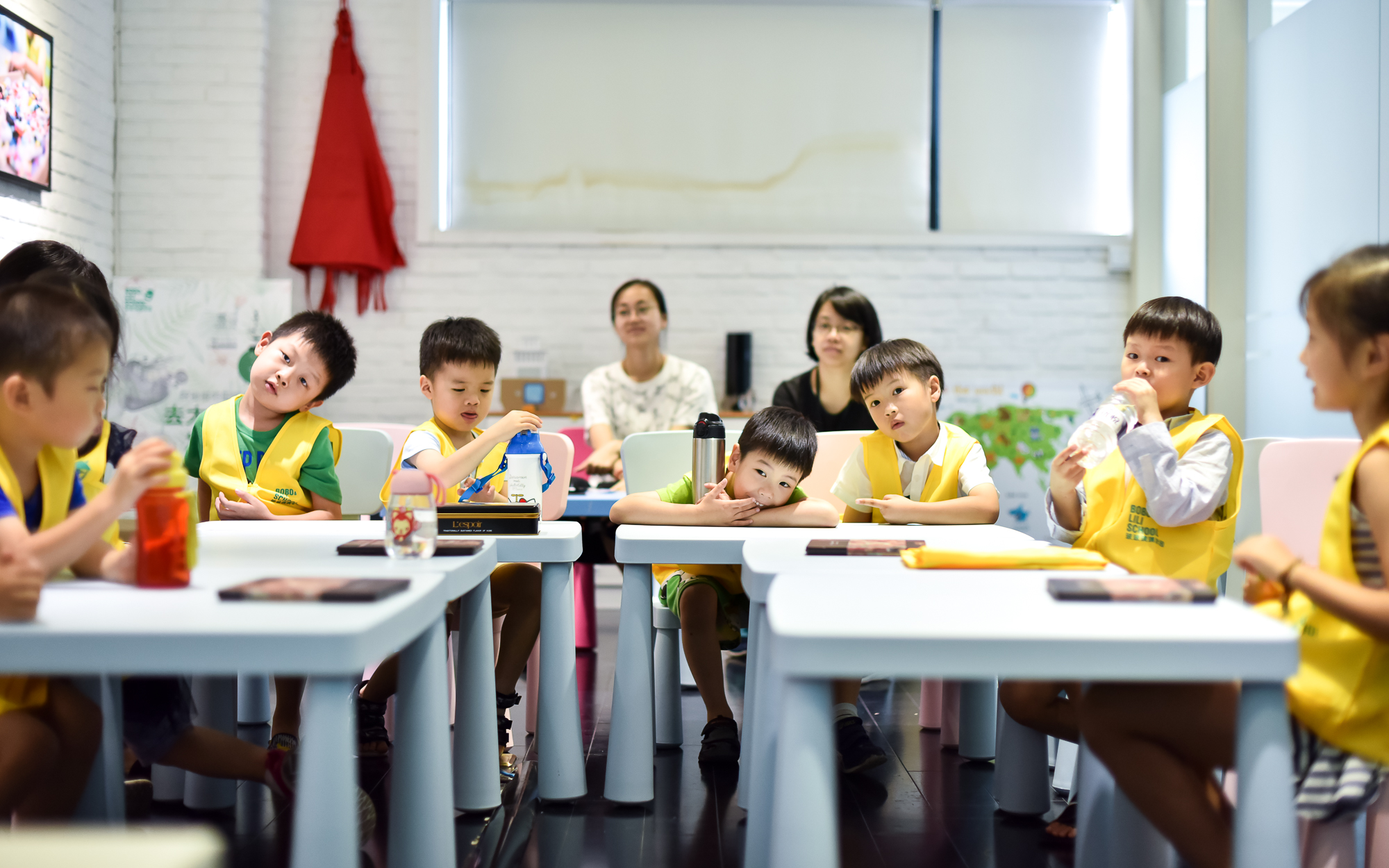
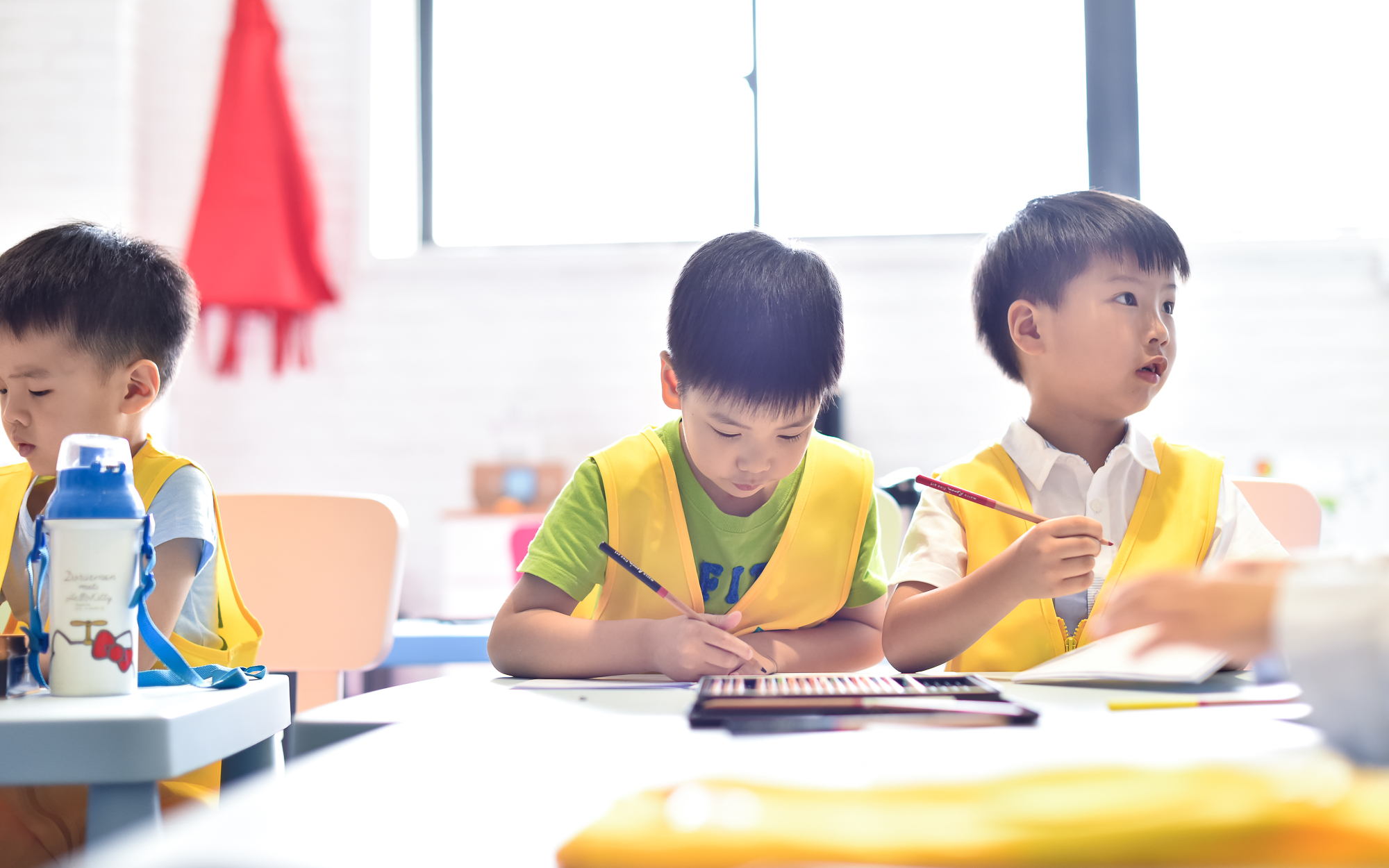
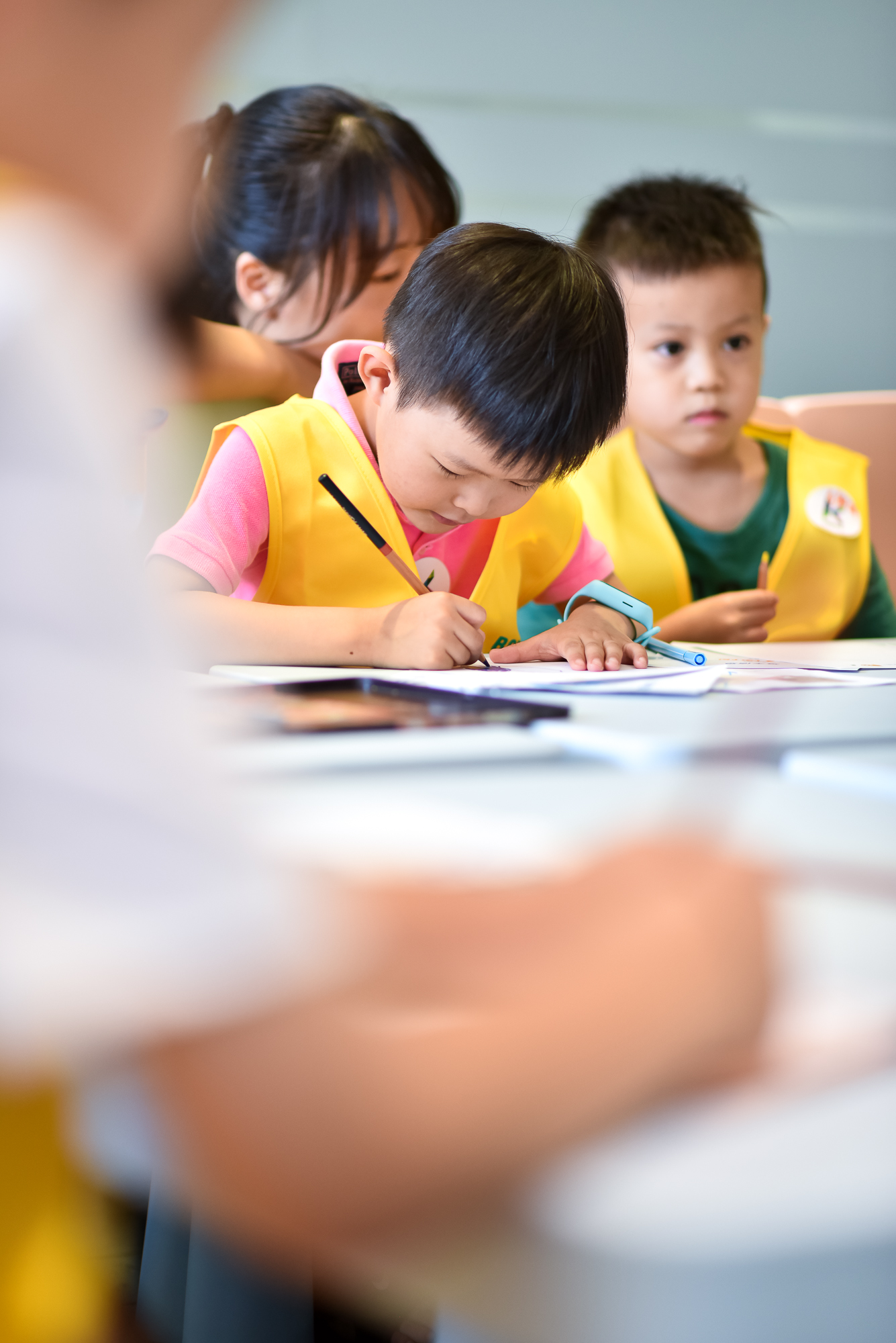
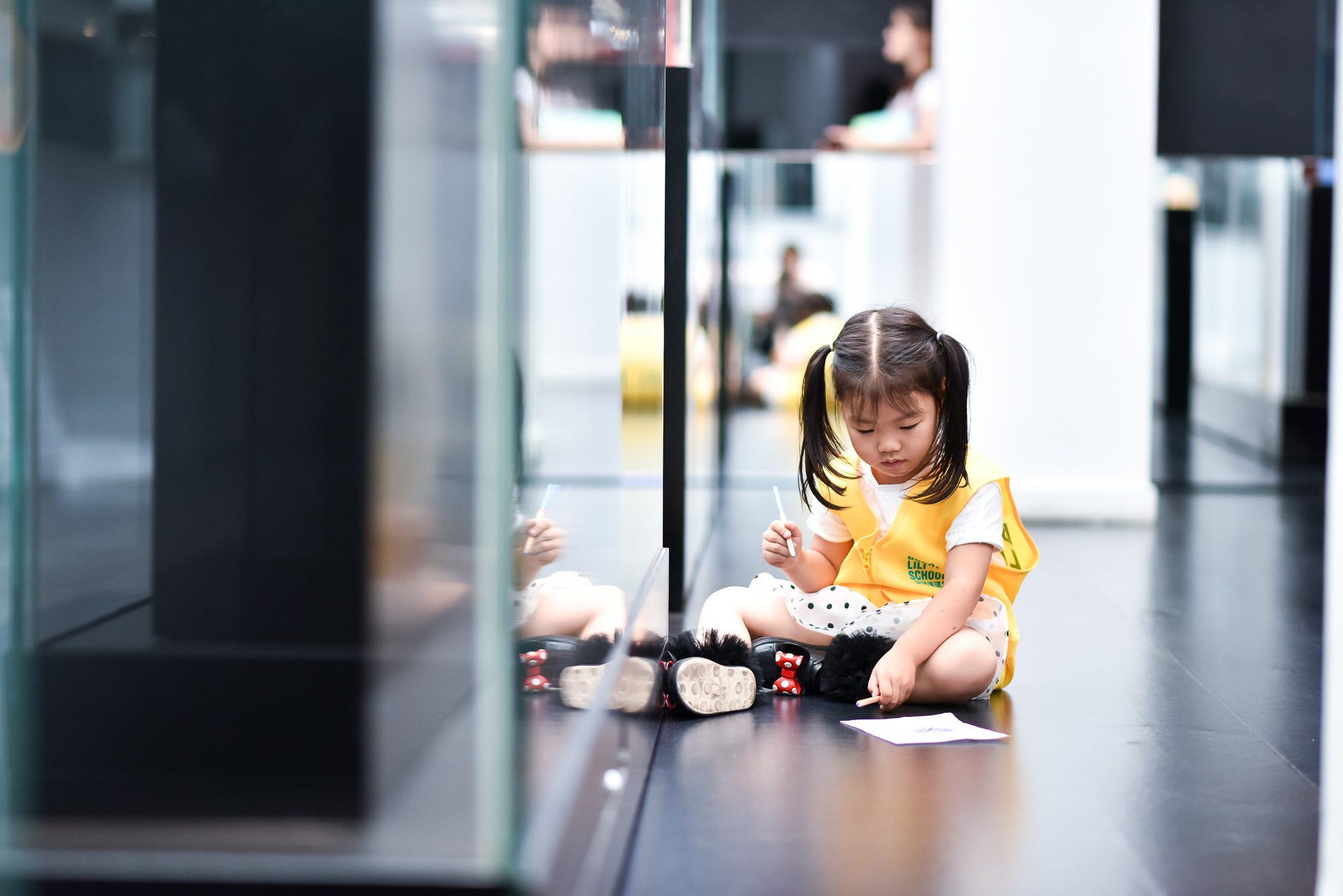
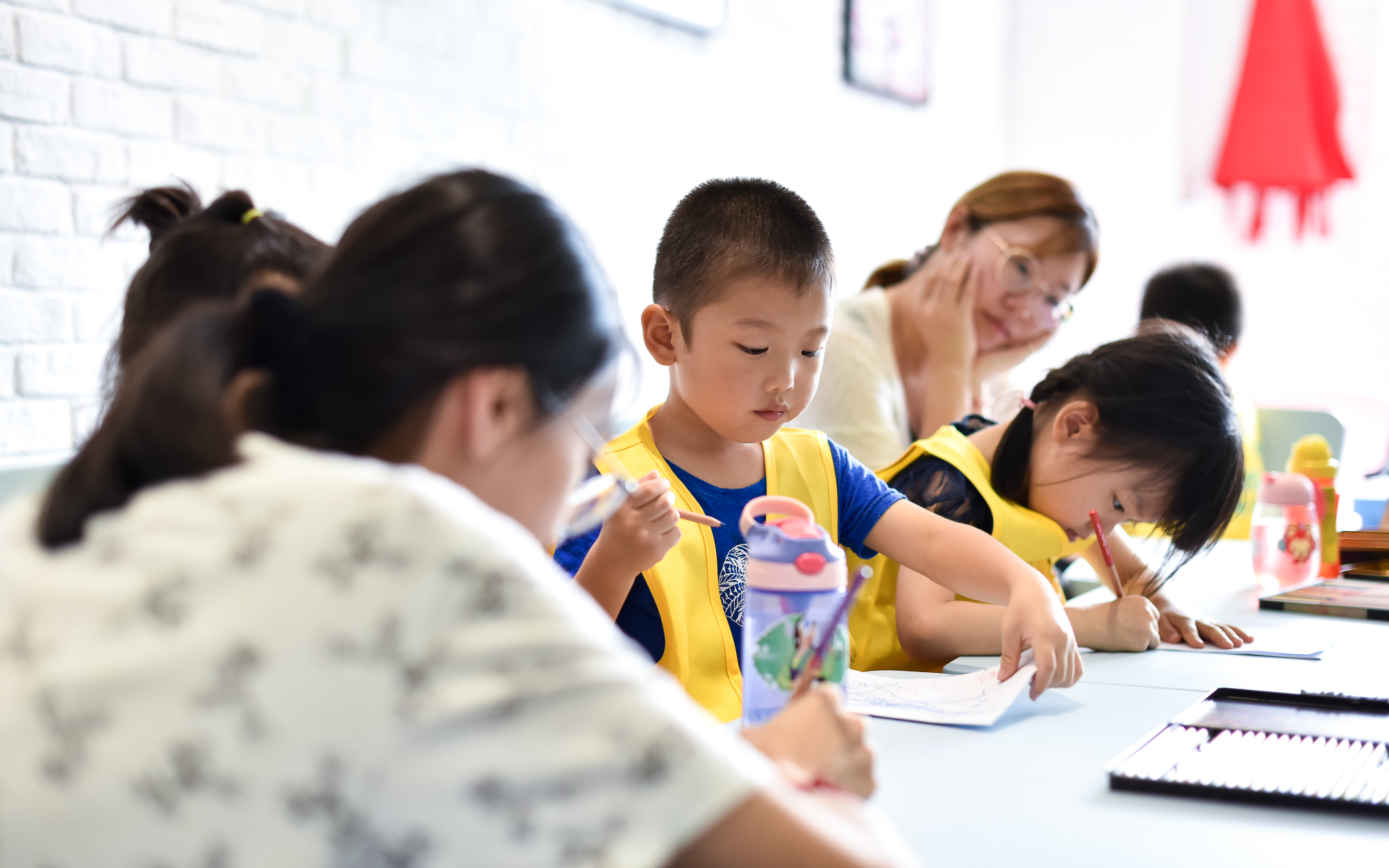
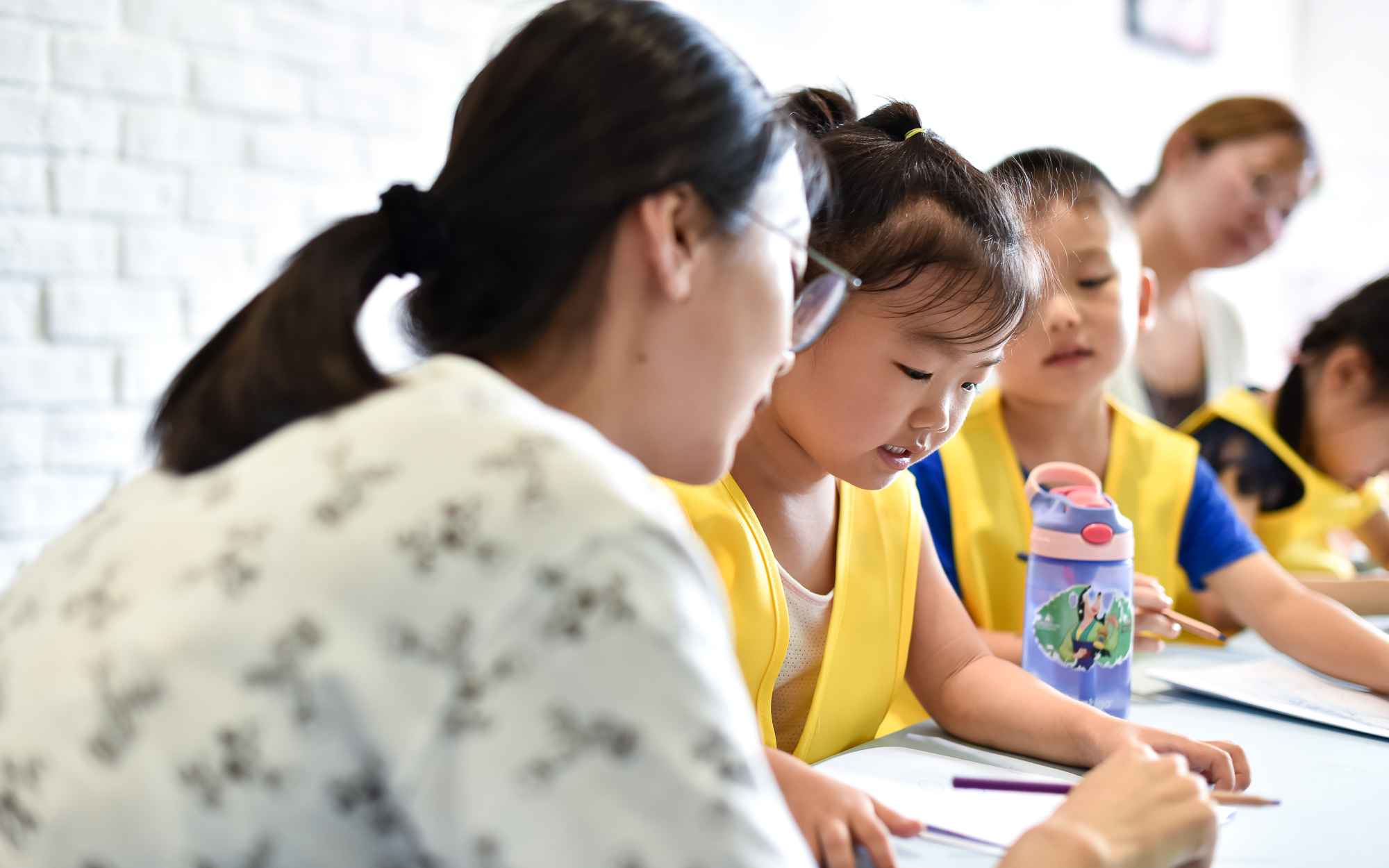
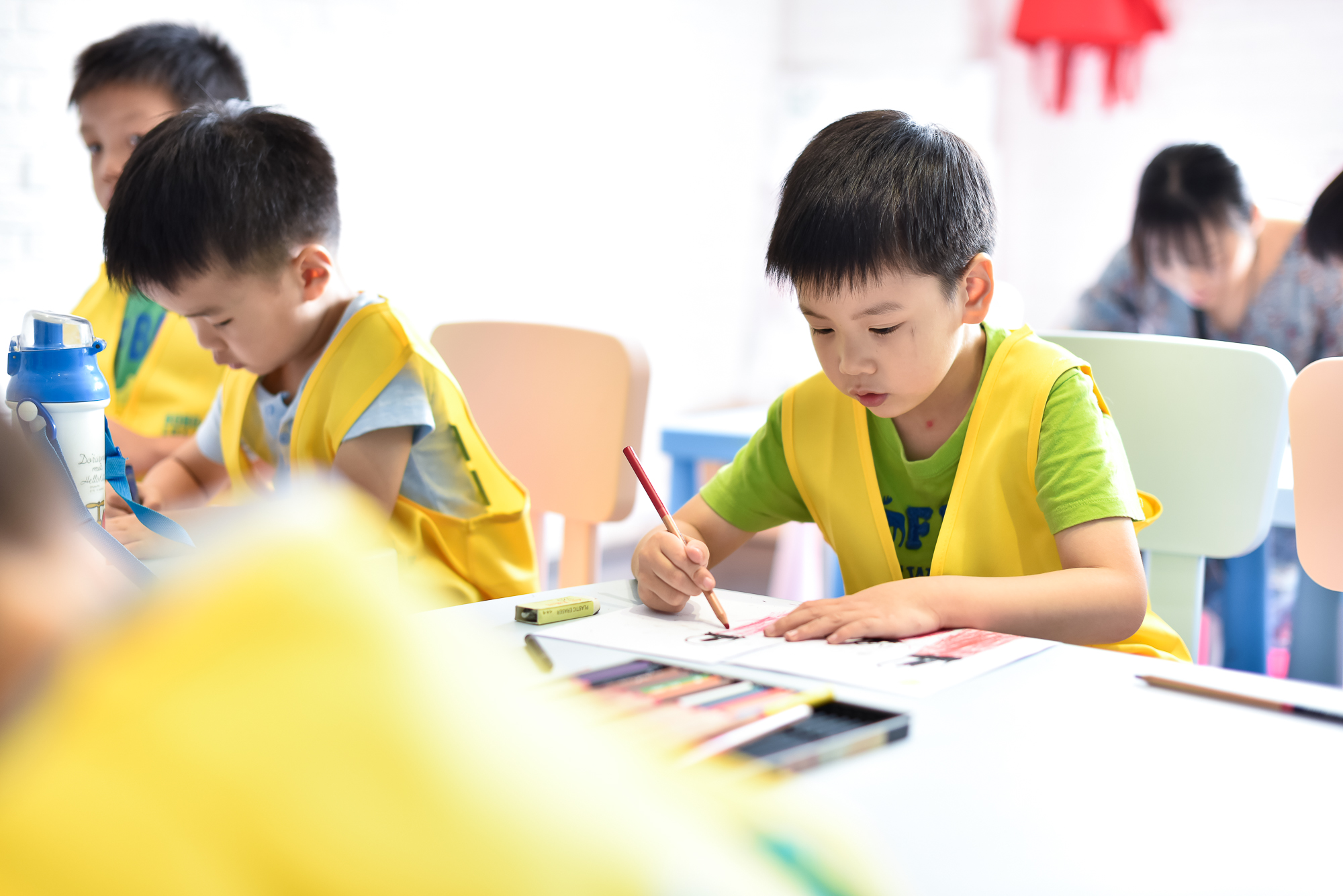
上海玻璃博物馆“玻玻璃璃学园”2018暑假特别活动根据不同年龄段小朋友的认知发展水平,分别以“童话故事”和“日常编织”作为主题;利用孩子们熟悉的元素作为引导,让他们在博物馆中运用多感官来体验、观察并创造出自己的艺术作品。同时多元的活动形式与多感官体验的方式让孩子们在不能触碰作品时还是可以和作品建立不同形式的连结并激发主动学习的欲望、降低对艺术的陌生与恐惧,从而将艺术内化为生命经验的一部分。

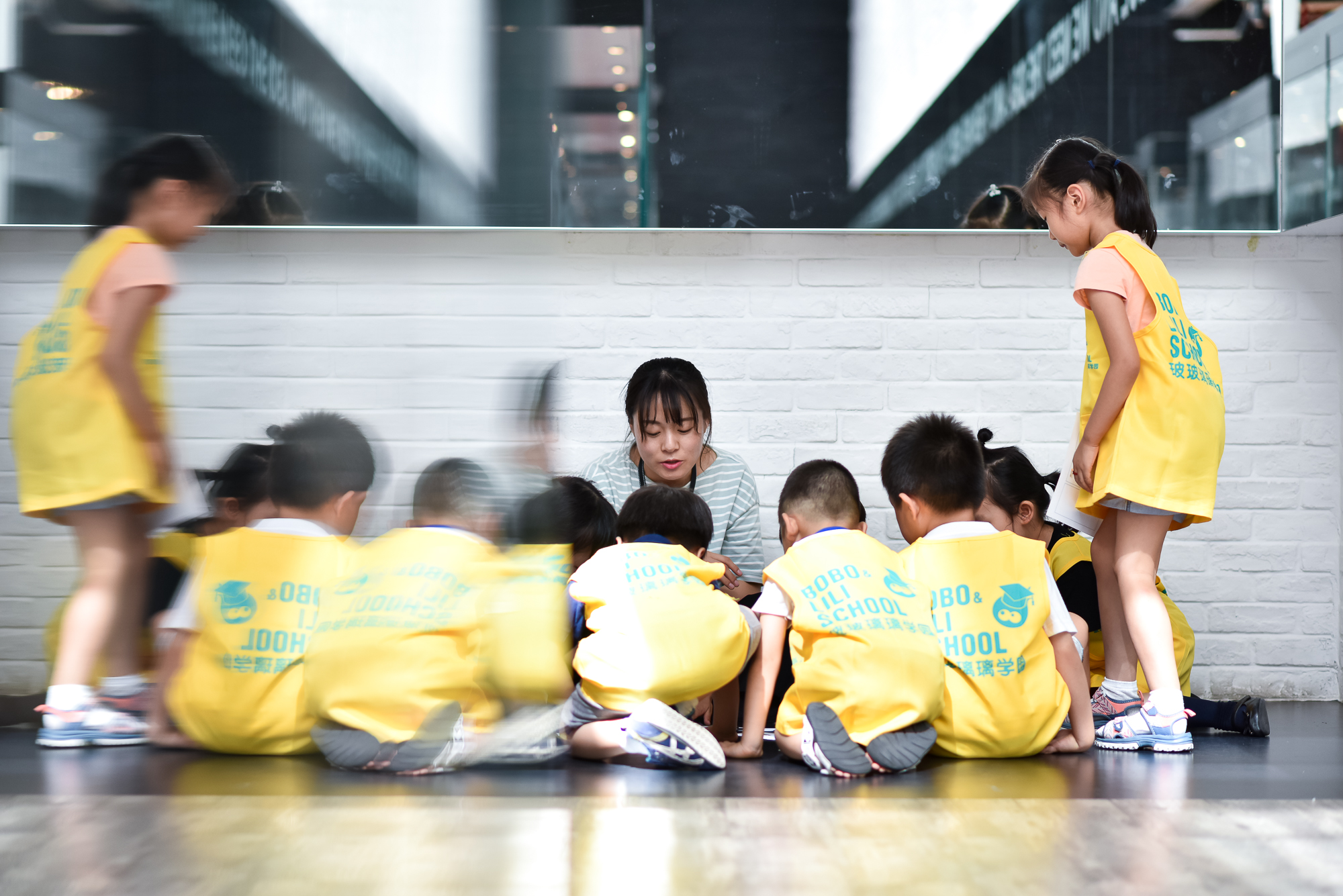
根据儿童心理学家皮亚杰的观点,“教育的真正目的,不是增加儿童的知识,而是设置充满智能刺激的环境,让儿童自行探索、主动学到知识。”以此理念为出发,玻玻璃璃学园暑假特别活动由馆方教育专员策画执行了四期(一期共四次不同内容课程)在博物馆中进行的活动,在形式上不仅有趣味探索环节,利用作品局部照片在展场藉由实际观察寻找作品,并由老师引导认识作品概念及工艺美学,让小朋友们了解艺术创作的过程及创作的意义;还专门请到了绘本插画师来引导小朋友们创作自己的故事书。四次活动中亦规划有多种直接参与动手体验的学习机会,让小朋友们化身小小艺术家,亲自进行创作。

童年时期是培养儿童学习、社交和认知重要技能的关键时期;在这一时期,潜移默化的培养他们参观博物馆的习惯,放慢脚步观察艺术品,也是在更好的引导他们感知发展以及对艺术的共鸣。博物馆与学校、兴趣班不一样的地方及优势,在于博物馆是以“主题”代替“学科”作为分类与学习方式的,让小朋友可以更自然的体会与学习艺术;同时博物馆还能给予孩子近距离接触艺术品的机会,利用不同方式结合多感官体验带领孩子进一步认识艺术,再藉由自己实际创作将之融会为生命经验。

法国学者Tisseron认为:“儿童观众对于事物认知的建立,不仅依靠视觉的刺激,还须透过身体的参与、各种感官的运用,以及与对象之间的直接接触,才能将对象内化为自身经验的一部分”;因此我们也希望通过“玻玻璃璃学园”暑期特别活动,让不同年龄的小朋友们都能在上海玻璃博物馆调动自己的五感,慢下来欣赏亲近艺术。

“BOBO & LILI School’s Summer Special Events” in Shanghai Museum of Glass

This year, Shanghai Museum of Glass planed “BOBO & LILI School’s Summer Special Events” for children. According to children of different age’s cognitive development level, the museum used “fairy tale” and “daily weaving” as the themes. Guided by the familiar things of the children, that made them to use multi-sensory to experience, observed and created their own works of art in the museum. At the same time, the diversified activities and the multi-sensory experience make children to establish different forms of connections with the works and stimulate the desire to learn actively under the premise without touching the works, reducing the strangeness and fear of art, and thus internalize the art into part of the life experience.

On the basis of Jean Piaget’s view, a child psychologist, “The real purpose of education is not to increase children’s knowledge, but to set up an environment full of wisdom and stimulation, so that children can explore and actively learn knowledge.” According to this idea, the summer special event was organized by the museum’s education commissioner to carry out four activities (four different content courses in one phase) in the museum. Not only in the form of interesting aspects to explore, but also used the partial photos of the work to find the works through actual observation in the exhibition. The teacher guides the concept of the work and the aesthetics of the craft, so that the children can understand the process of artistic creation and the meaning of the creation. The events also specially invited the picture book’s illustrator to guide the children to create their own story books.

Childhood is a crucial period for cultivating children’s important skills in learning, socializing, and cognition. During this period, imperceptibly influence the habit of visiting museums and slowing down to observe of art are also better guiding them to perceive development and resonate with art. The difference between museums and schools, and interest classes is that museums use “themes” instead of “disciplines” as a way of classifying and learning. So that children can experience and learn art more naturally. Other than this, the museum also gives children the opportunity to be close with the art. They use different ways to combine the multi-sensory experience to lead the child to further understand the art, and then integrate it into life experience through their actual creation.

Tisseron, a French scholar, thinks that “For the audience of children, the establishment of cognition of things depends not only on visual stimulation, but also through the participation of the body, the use of various senses, and direct contact with objects, to internalize objects into part of their own experience.” Therefore, we also hope that through the “BOBO & LILI School’s Summer Special Events”, children of different ages can mobilize their five senses at the Shanghai Museum of Glass and slow down to appreciate the art..

Insert Alt Text
Insert Alt Text
Insert Alt Text
Insert Alt Text
Insert Alt Text
Insert Alt Text
Insert Alt Text
Insert Alt Text
Insert Alt Text
Insert Alt Text
Insert Alt Text
Insert Alt Text
Insert Alt Text
Insert Alt Text
Insert Alt Text
Insert Alt Text
Insert Alt Text
Insert Alt Text
Insert Alt Text
Insert Alt Text
Insert Alt Text
Insert Alt Text
Insert Alt Text
Insert Alt Text

© 2026 Shanghai Museum of Glass 上海玻璃博物馆版权所有 沪ICP备15004829号-1