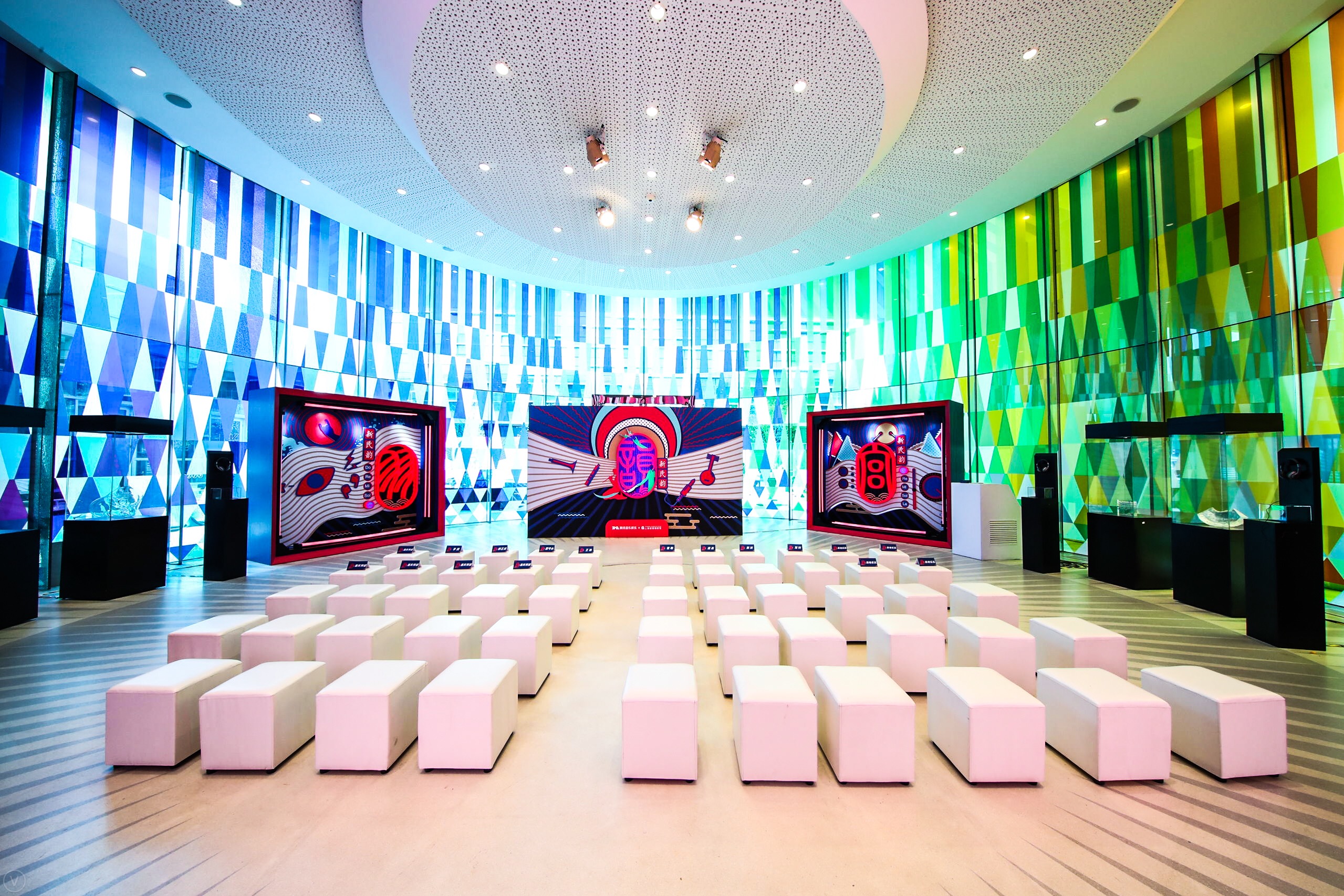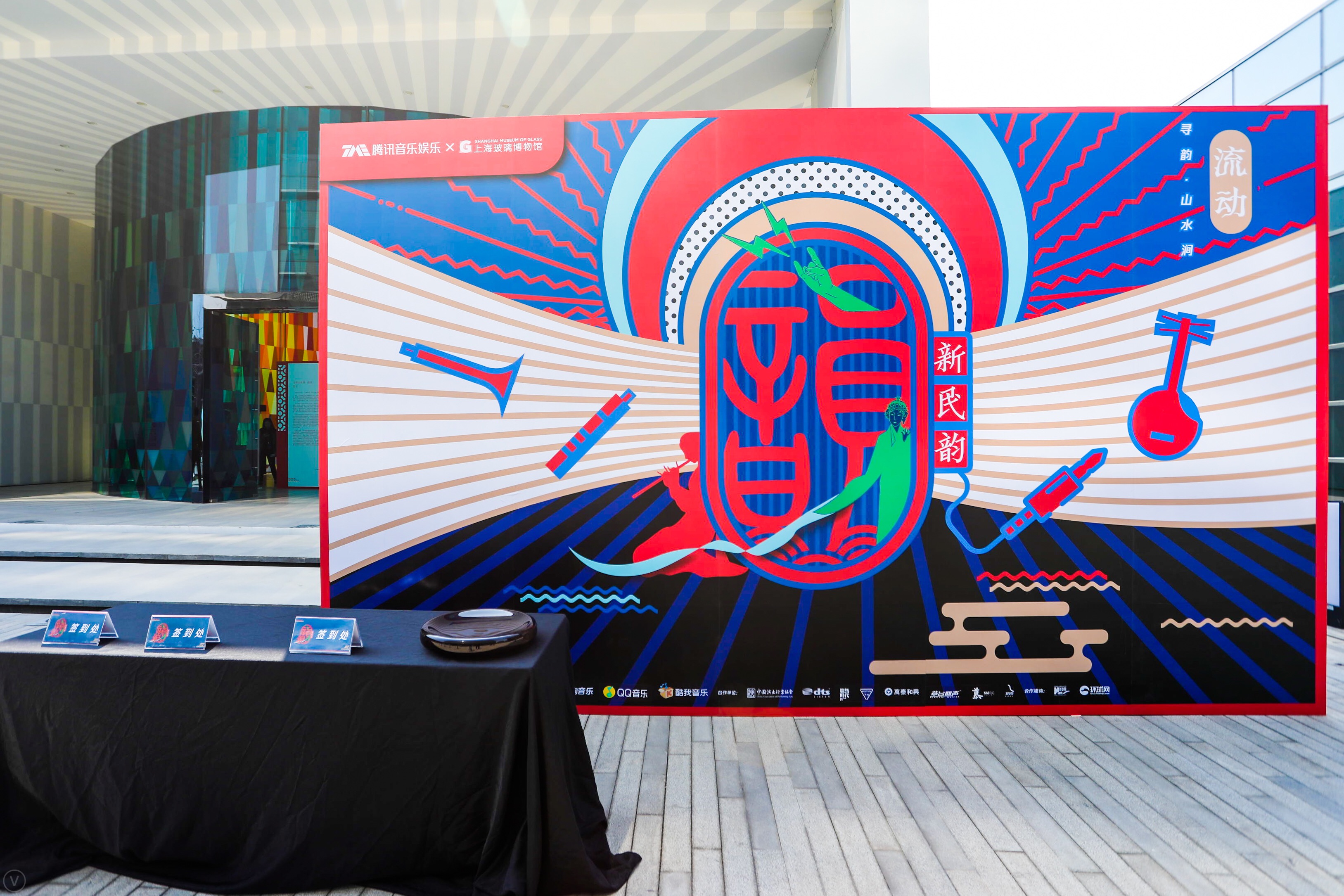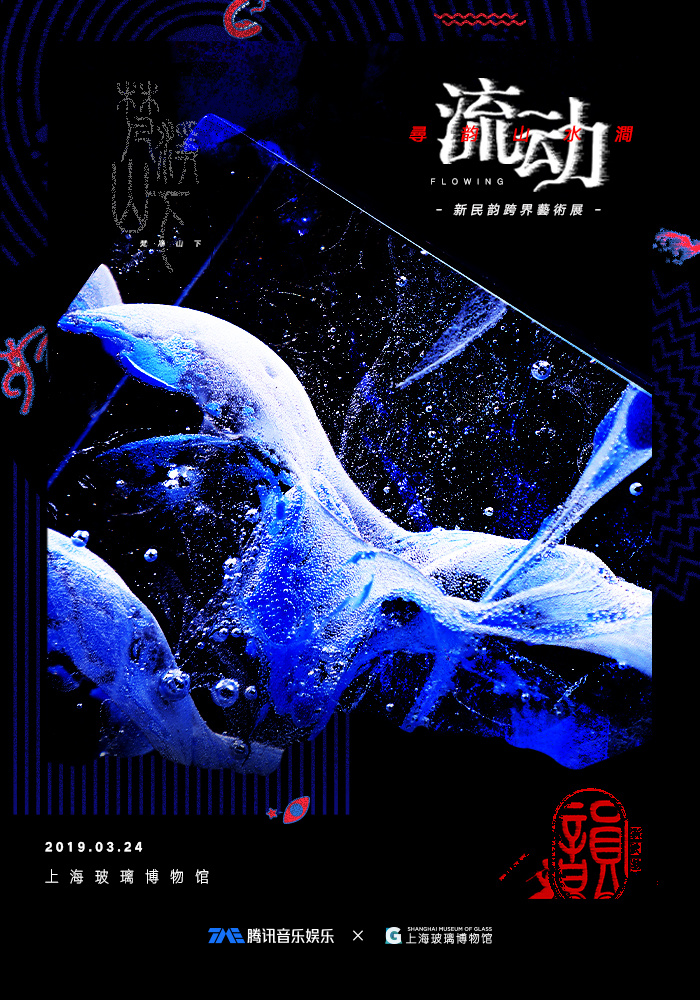
流动·寻韵山水涧 FLOWING
主办方:上海玻璃博物馆
合作方:腾讯音乐娱乐
策展人:阳昕
展览时间:2013年3月24日 – 2014年4月14日
展览地点:上海玻璃博物馆,彩虹礼堂
Organizer: Shanghai Museum of Glass
Corporation partner:Tencent Music Entertainment Group
Curator: Cathye Yang
Duration: Mar 24, 2019 – April 14, 2019
Venue: the Rainbow Chapel, Shanghai Museum of Glass
关于展览 ABOUT EXHIBITION
“昔葛天氏之乐,三人操牛尾,投足以歌八阕。”
音乐,自从鸿蒙天地中破然而出之时,就如同永夜中一颗灼热的星辰,照亮了先民们数千年的前行脚步。这汨汨流淌在历史长河中的乐章音符,给予我们的不仅是身心的愉悦和享受,更是力量和精神,是表达自我,与世界沟通的另一种“上达天听”的手段。
在中国数千年漫长的音乐历史中,民族音乐有着自己独特的发展脉络,占有其一席之地。北方民族音乐的热情豪迈,洒脱自如,南方民族音乐的温柔细腻,柔情万种。同时,正如费孝通先生所论中华民族“多元统一”的形成方式,民族音乐与汉族音乐共同生长,“你来我去,我来你去,我中有你,你中有我,而又具个性”,我们需要清楚地认识到,民族音乐是中华民族音乐史中不可或缺的重要组成。
民族音乐的发展几经沉浮行至今日,从民族语言的式微、经典演唱方式的丢失到至传承者难觅、与之相伴文化环境的剧烈改变,它与众多传统文化一样面临着如何生存、又如何走向未来的问题。在我们讨论到民族音乐的传承问题时,对于传统的初心坚持和全方位记录是核心,而如何使其焕发出全新的生命力则需要我们跳出音乐本身进行思考。腾讯音乐娱乐集团“新民韵计划”的开展可以说是一次有益的尝试。此项计划结合最新的数字手段,鼓励民族音乐人的原创工作,利用有效的平台和途径进行传播,跨界合作,助力民族音乐、民族文化走近大众生活、走向国际舞台。
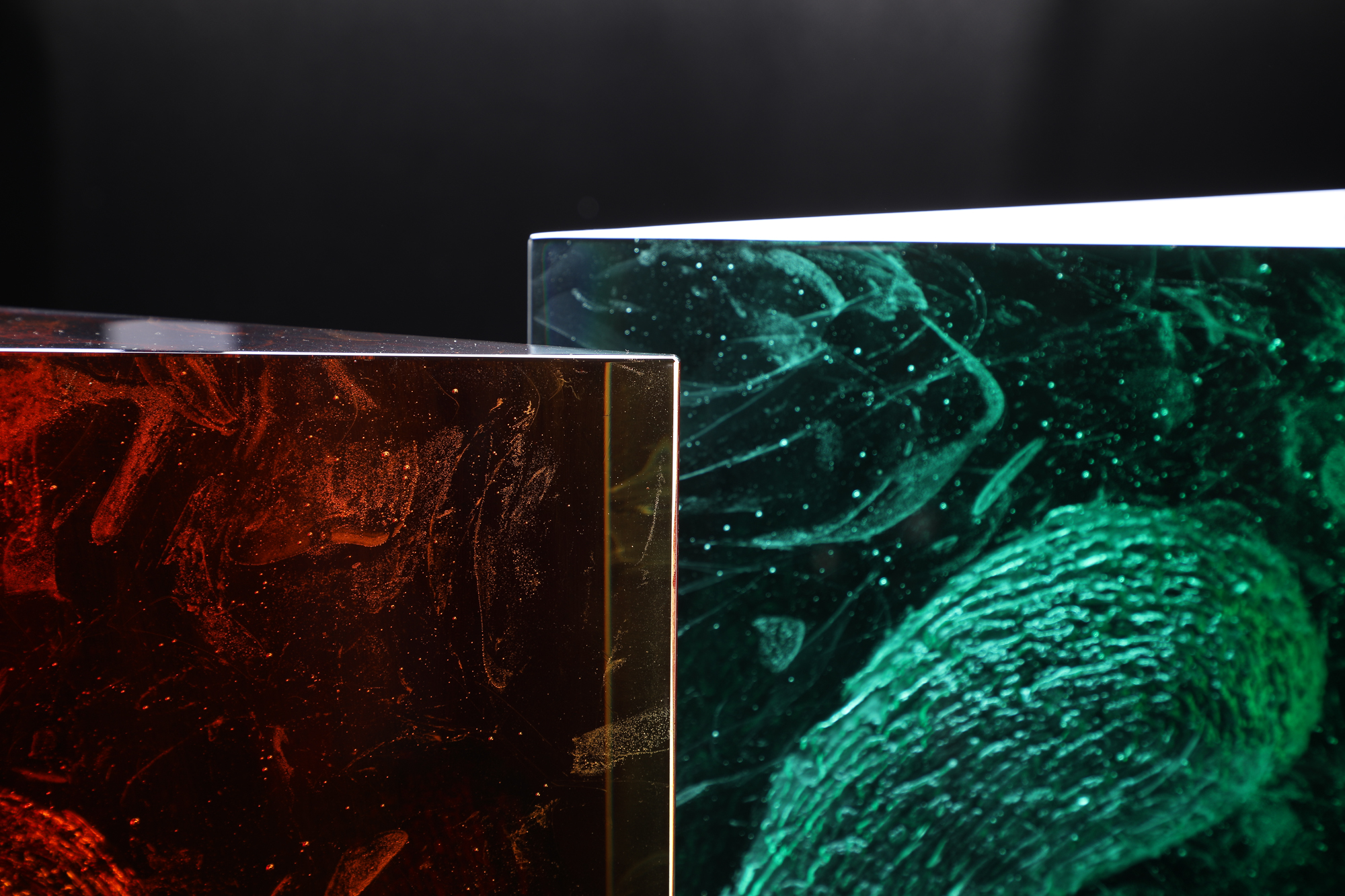
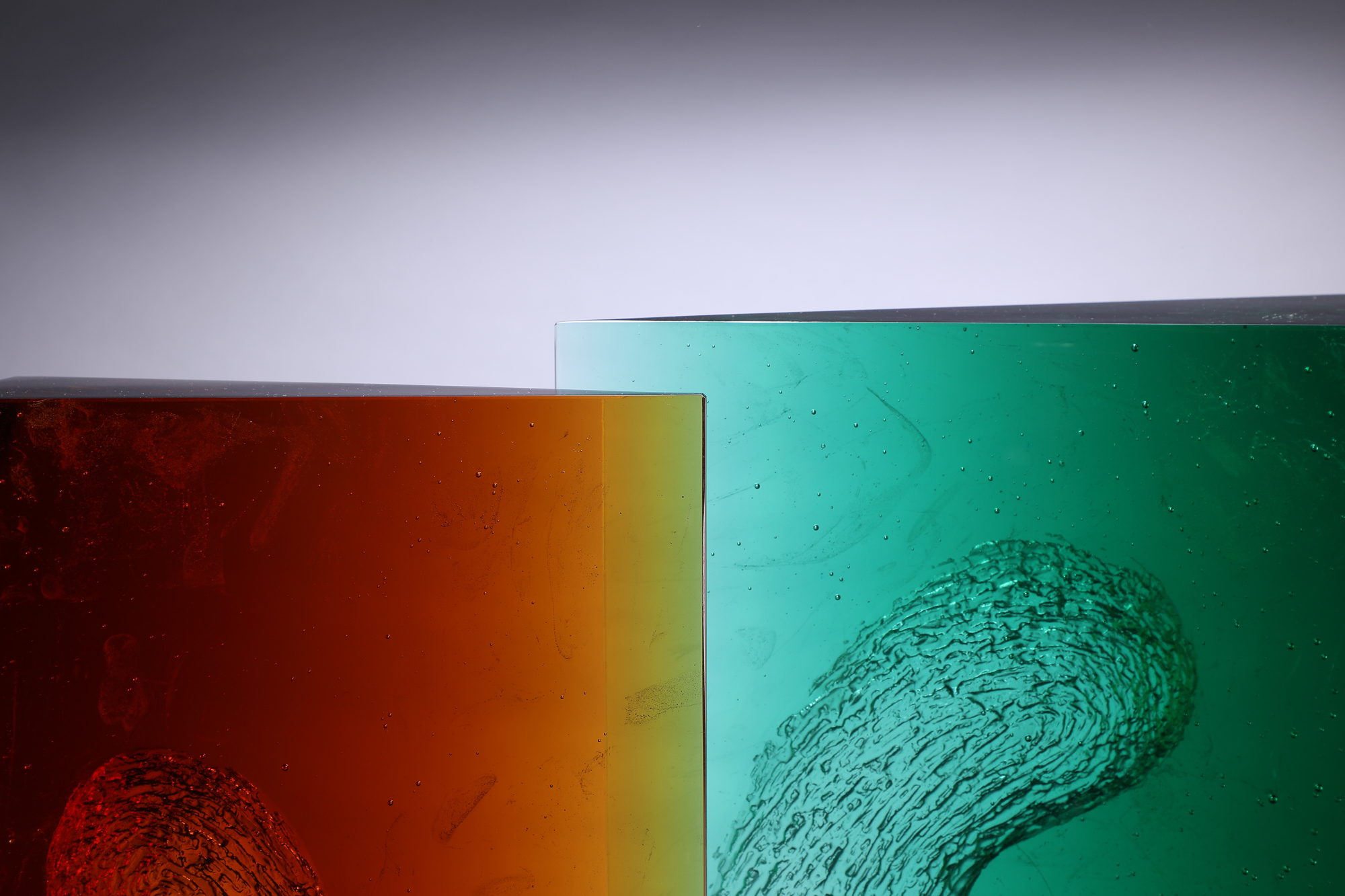
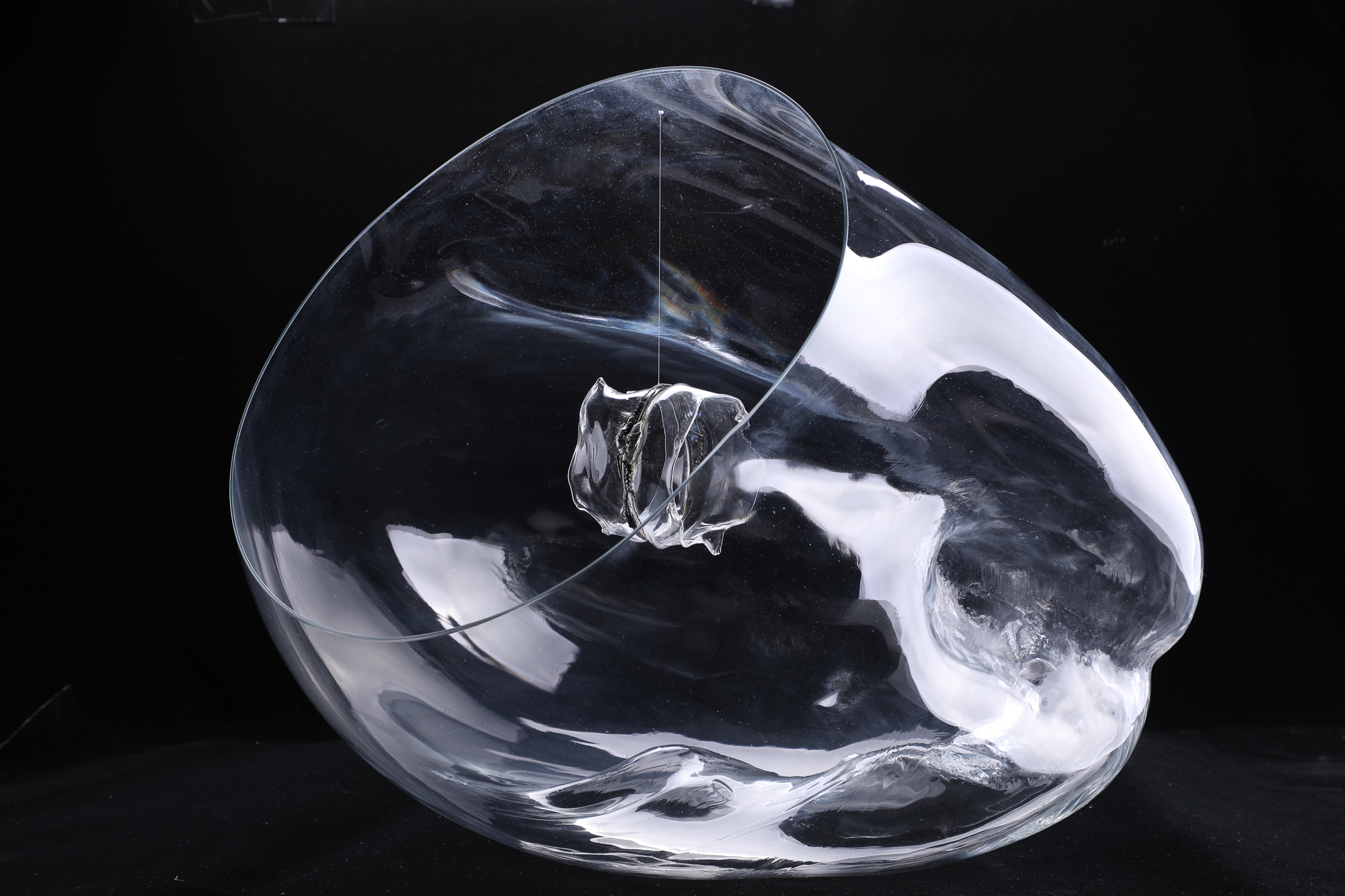
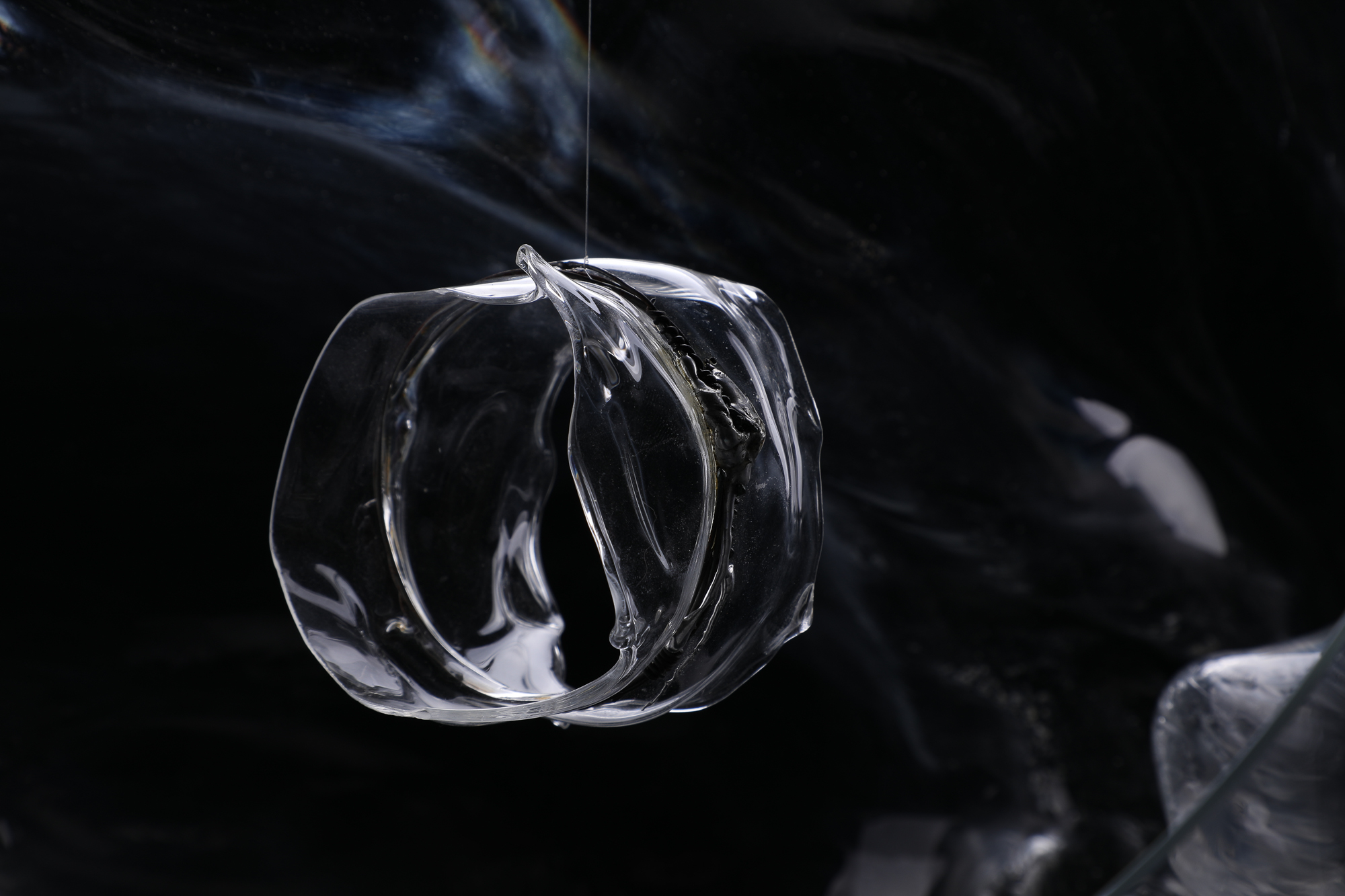
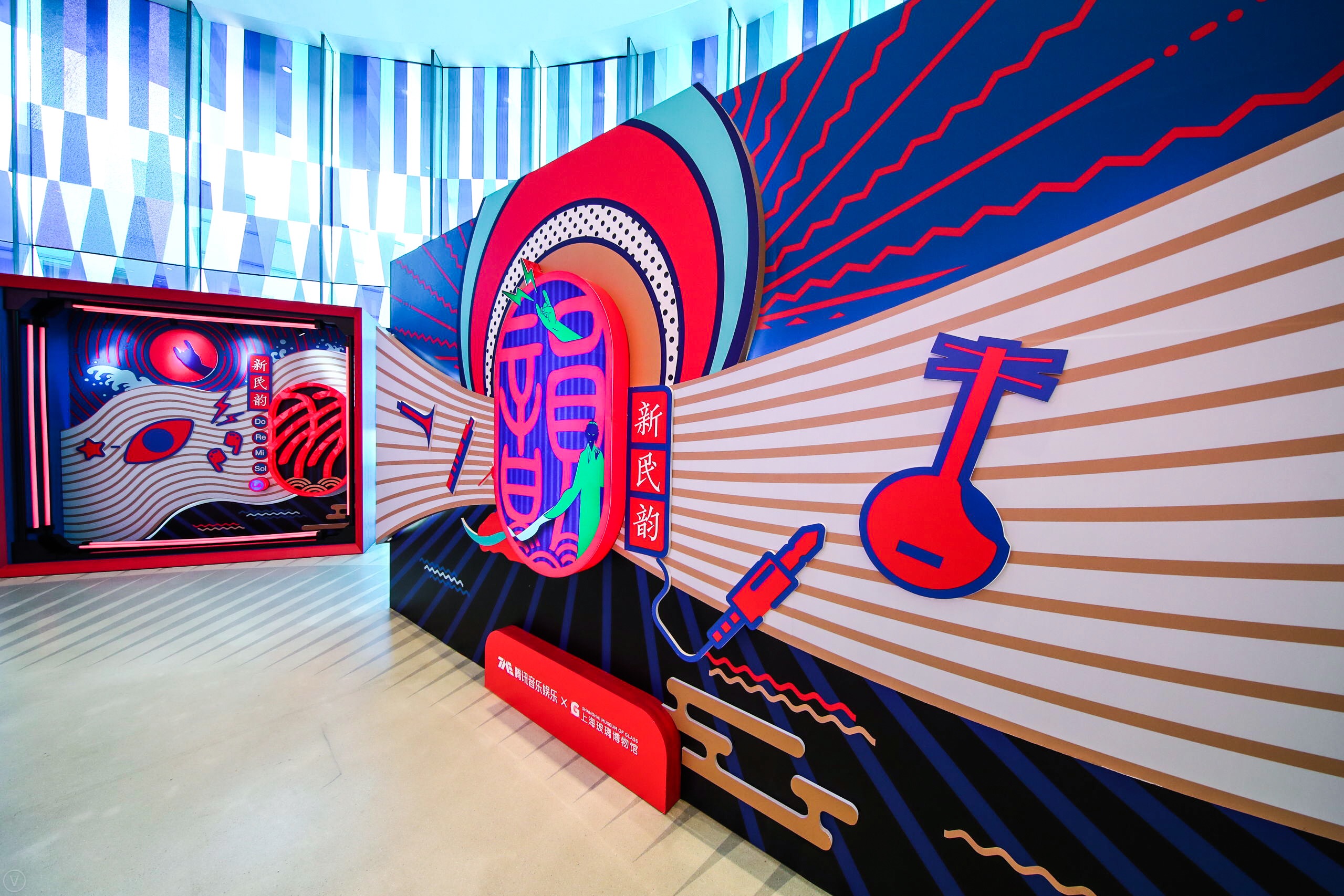
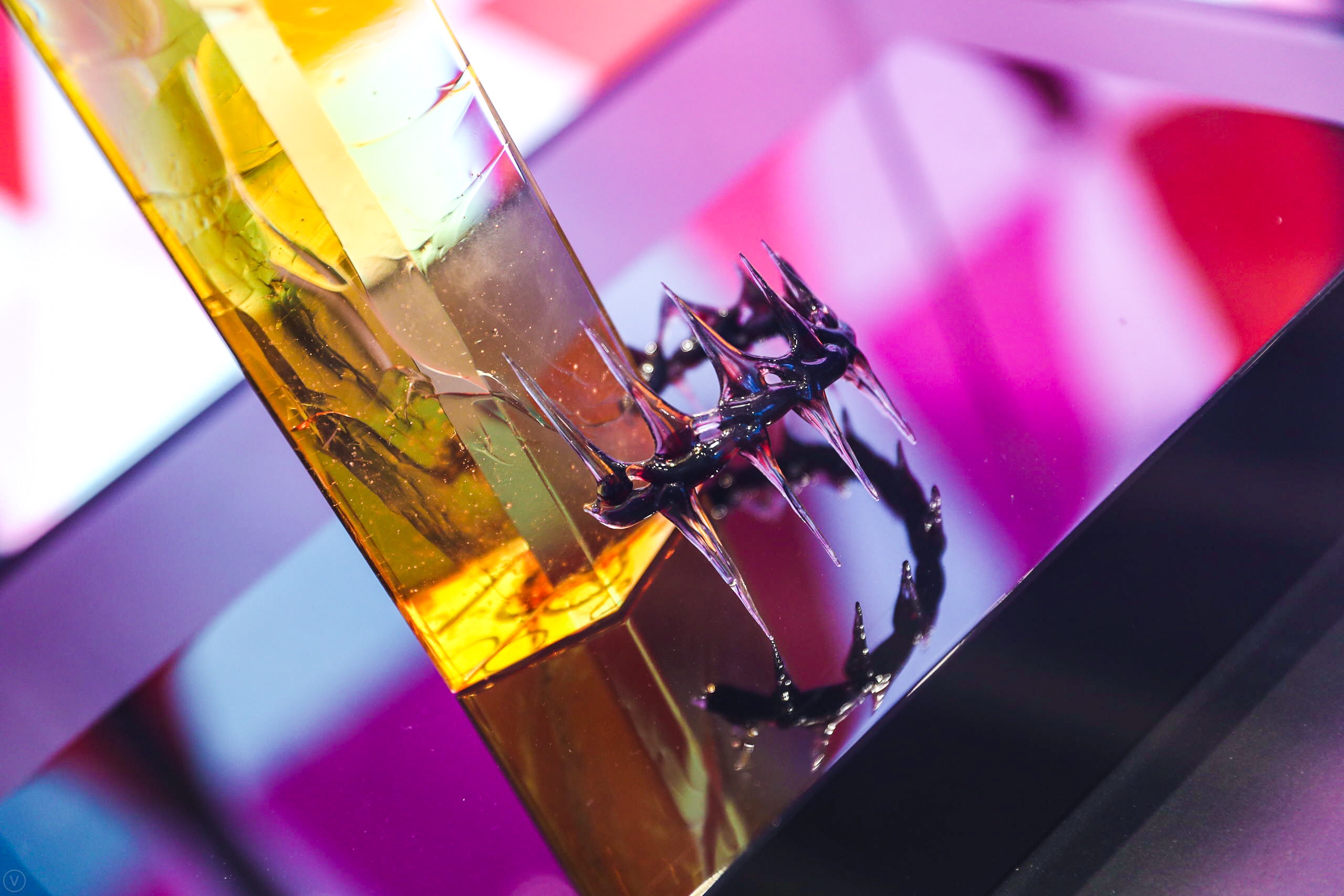
交流与创新,是任何事物健康发展的要素。作为“蜕变逐新不止步”的当代博物馆,上海玻璃博物馆以互动体验型社区化博物馆为目标始终在不断超越和突破自己,以更加能够深入人心的方式走入当代生活,引领博物馆生活方式。此次,借由“新民韵计划”,上海玻璃博物馆非常荣幸地与腾讯音乐娱乐集团共同合作,为公众呈现了名为《流动》的特别展览,将玻璃艺术与民族音乐进行了大胆的创新结合。在玻璃艺术和设计的实践之中,其实不乏对音乐的关注。如上海玻璃博物馆藏品中就有一件来自德国设计师Philipp Weber的作品《奇异交响乐》,这件设计作品改变了玻璃吹制的重要工具吹管,使得工匠能够通过吹管上的不同气门塑造玻璃的内部形态,无形的音乐在此刻被玻璃凝固而变得可感可观。而中国玻璃艺术家郑闻卿曾在上海玻璃博物馆举办《如是我闻》个展则更加鲜活地将玻璃与音乐联系在一起,围绕线性玻璃在“动态”下与声音和光的对话,展开了一系列大胆的尝试。而在此次《流动》中,我们将从音乐出发,深入创作背景和故事,以入选《新民韵——寻韵·山水涧》的作品和故事背景为灵感,特别邀请玻璃艺术家王沁以此为基础,凝练提取其中蕴含之精粹再进行艺术创作。音乐是流动的艺术,需要时间才能欣赏他的美,玻璃却能将这种珍贵的动态和创作时的灵感凝固下来。在这一次展览中,两种不同的艺术形式进行了鲜活的交融和跨界,势必能迸发出耀眼夺目的光芒。
无论是民族音乐,或是玻璃艺术,又或是博物馆,所有的有志之士在为之传承发展努力的过程中都叩问过“新”与“旧”困局,有过坚守“传统”与走向“现代”的迷思。回望它们的历史,我想,已经暗含了这样一条微妙的启示。
“吾将登昆仑之巅,吹黄钟之律,使中国人固有之音乐血液,重新沸腾……”。
所有围绕核心的改变都只有一个初衷,打动每个人的内心。
语言不同,曲式有别,共通的就是其中根植的情感和精神。
这是超越民族、没有国界的至高无上的感动,是变与不变之间永恒的规则。
阳昕
上海玻璃博物馆 学术研究经理
According to the record of the Spring and Autumn Annals, in the dance of the Getian clan in ancient China, three persons, with cattle tails in their hands, moved their feet to music and sang eight songs.
Since its emergence, music has lightened up the path of our ancestors for several thousand years like a glowing star in the long night. The music notes that have run through the long river of history have given us not only joy but also strength. They are another means to express ourselves and communicate with the world in a more convinced manner.
With its unique development, the history of ethnic music has become one of the most important part in the long music history of China. North ethnic music stresses on passion and freedom, while South ethnic music sounds softer and more exquisite. In the meantime, just as Mr. Fei Xiaotong’s idea of the “unity in diversity” of Chinese ethnic nationalities, ethnic music and Han music grow together. “The two have things in common but also have their own identities.” We need to be clearly aware that ethnic music is an indispensable part of the music history of the Chinese culture.
With many ups and downs in its development history, ethnic music has seen the decline of ethnic languages, loss of classical singing styles, the difficulty in finding inheritors and the dramatic changes in the accompanying cultural environment. Like many traditional cultures, it has faced the problems of its existence and future development. When we talk about the inheritance of ethnic music, the adherence to the tradition and comprehensive recording are the core, but to revitalize it, we need to think out of the music box. The “The New Ethnic Song Project” launched by Tencent Music Entertainment can be considered as a laudable effort that would be beneficial for the ethnic music industry. The program, equipped with the latest digital means, encourages ethnic musicians to create original work and provides effective platforms and means for communication and crossover cooperation, helping promote ethnic music and ethnic culture among the public and also before the international audience.
Communication and innovation are the key elements for healthy development of any field. As a contemporary museum that “never stops evolving and innovating”, Shanghai Museum of Glass has always made efforts to surpass itself and making breakthroughs with the goal of becoming an interactive experience-type community museum, hoping to involve in everyday life in a more approachable way and lead a museum lifestyle. This time, through “The New Ethnic Song Project”, Shanghai Museum of Glass is honored to join hands with Tencent Music Entertainment to present the special exhibition titled Flowing to the public, making a bold innovation by combining glass art with ethnic music. There is no lack of attention to music in the practices of glass art and design. For example, in his work ‘Strange Symphony’ among the collections Shanghai Museum of Glass, the German designer Philipp Weber altered the blowpipe (an important glass tool), enabling the craftsman to shape the inner form of the glass using different valves on the blowpipe. The invisible music thus becomes sensible and visible when it is solidified by glass. At her solo exhibition Thus Have I Heard held at Shanghai Museum of Glass, the Chinese glass artist Zheng Wenqing connected glass with music in a more vivid way. Centering on the dialogs between linear glass in the “dynamic state” with sound and light, she made a series of bold attempts. In the special exhibition Flowing, we will start with music and go deeply into its creation background and stories. Furthermore, we especially invite glass artist Wang Qin to find inspiration and extract from the works selected in New Ethnic Charm–Listen to Mountains and Waters and their background stories, for art creation. Music is a flowing art. It requires time to appreciate its beauty, while glass can solidify its precious dynamic state and the inspiration during creation. In this exhibition, two different art forms are combined vividly, which will definitely create some brilliant sparks.
No matter ethnic music or glass art or museums, all of those with lofty ideals must once have been faced with the dilemma of whether to stick to the “old” or “traditional” or to shift to the “new” or “contemporary”. Looking back at their history, I think it contains a subtle revelation.
“I will climb to the top of the Kunlun Mountain and play the huangzhong (Yellow Bell) sound to re-excite the inherent music blood in Chinese people…”
All those changes lay stress on only one original intention, that is, to touch the hearts of the people.
We have different languages and different musical forms, and the things in common are the emotions and spirits rooted in them.
Music goes beyond ethnic nationalities and borders and is the eternal rule despite changes.
Cathye Yang
Academic Research Manager of Shanghai Museum of Glass
关于艺术家 ABOUT ARTIST
王沁,主创艺术家
1978 年生,景德镇人,现居中国上海,任教于上海大学美术学院。
曾多次参加国内外艺术展览,其作品被美国费城艺术博物馆、英国维多利亚及阿尔伯特博物馆、英国布里斯托尔博物馆、德国Alexander Tutsek-Stiftung 基金会、苏格兰皇家博物馆、美国康宁玻璃博物馆、中华艺术宫、上海玻璃博物馆及上海世博会中国国家馆等多家机构及个人收藏。
潘守永,学术主持
潘守永,男,1966年11月生,人类学家、博物馆学家,法学博士,上海大学特聘教授、博士生导师,上海大学图书馆馆长,兼任中国科学院大学教授、北京大学艺术学院教授和湖南里耶(秦简)博物馆名誉馆长。研究领域为新博物馆学、博物馆人类学与社会文化变迁,参与主持了中国体育博物馆、浙江安吉生态博物馆群、浙江松阳生态博物馆群、山西太行三村生态博物馆的策划和建设。参与国家博物馆分级评估标准的制定、中国非物质文化遗产保护法与国家博物馆条例的撰写。是第三代生态博物馆运动的参与者与领导者,在国际博物馆学界有重要影响。学术荣誉与社会兼职:哈佛燕京学者Harvard-Yenching Scholar, 富布赖特学者Fulbrighter, 史密森尼学者,第八届霍英东教育基金获得者,新世纪优秀人才,中国文化遗产保护(第八届文物保护基金)杰出团队,兼任人民网城市战略研究院文化委员会主任委员,以及中宣部、住建部传统村落保护专家组、国家文物局、国家出版基金等专家。
出版(不含主编)著作16部,主编《博物馆里的中国》(10卷)、《中国少数民族社会历史调查资料丛刊》(修订版)(147卷)、《中国56个民族神话绘本》(30卷)等国家重点出版物(国家出版基金项目),获得中华优秀出版奖等6次。发表论文(中英文)110多篇。
Wang Qin, Leading Artist
Wang Qin, born in 1978, Jingdezhen, Anhui Province. Currently he lives in Shanghai China and works in Shanghai Academy of Fine Arts, Shanghai University.
Wang has participated in many domestic and international art exhibitions. His work has been included in many public and private collections such as The Philadelphia Museum of Art, The Victoria and Albert Museum, The Bristol Museum & Art Gallery, the Alexander Tutsek-Stiftung, The Royal Scottish Museum (now The National Museum of Scotland), The Corning Museum of Glass, The China Art Museum Shanghai and The Shanghai Museum of Glass.
Pan Shouyong, Academic director
Pan Shouyong, male, was born in November 1966, who is an anthropologist, museologist, doctor of laws, guest professor and doctoral supervisor at Shanghai University, chief librarian of Shanghai University. He is also a professor at the University of the Chinese Academy of Sciences, a professor at the School of Art at Peking University as well as the honorary librarian of the Hunan Liye (Qin jian) Museum. His research fields include new museology, museum antropology and sociocultural change and he has participated in the planning and establishing of China Sports Museum, Zhejiang Anji Ecology Museum Group, Zhejiang Songyang Ecology Museum Group and Shanxi Taihang Sancun Ecology Museum. He also participated in the formulation of national museum grading and evaluation standards, and the writing of Law of the People’s Republic of China on the Protection of Intangible Cultural Heritage and the regulations of National Museum. He is acclaimed as the participant and the leader of the third generation of ecology museum movement, having great significance in the international museum academia. Academic honor and Social part-time jobs: Harvard-Yenching Scholar; Fulbrighter and Smithsonian Scholar; winner of the Eighth Fok Ying-Tong Education Foundation; a member of New Century Excellent Talents and the Outstanding Team for the Protection of China’s Cultural Heritage (the Eighth Cultural Relics Protection Fund); as well as the chairman of the Culture Committee of the Institute for Urban Strategies of People’s Daily Online; the expert of the Publicity Department of the Communist Party of China, the traditional village protection expert group of the Ministry of Housing and Urban-Rural Development, the State Administration of Cultural Heritage, the National Press Foundation and so on.
He has 16 works published (excl. editor-in-chief), and he is the editor-in-chief of national key publications, including China in Museums (10 volumes), Series of Social and Historical Investigation Materials of Ethnic Minorities in China (revised edition) (147 volumes), Myth Picture Books of 56 Ethnic Groups in China (30 volumes), wining the Chinese Excellent Publications Awards 6 times. He has more than 110 papers (Chinese and English) published.
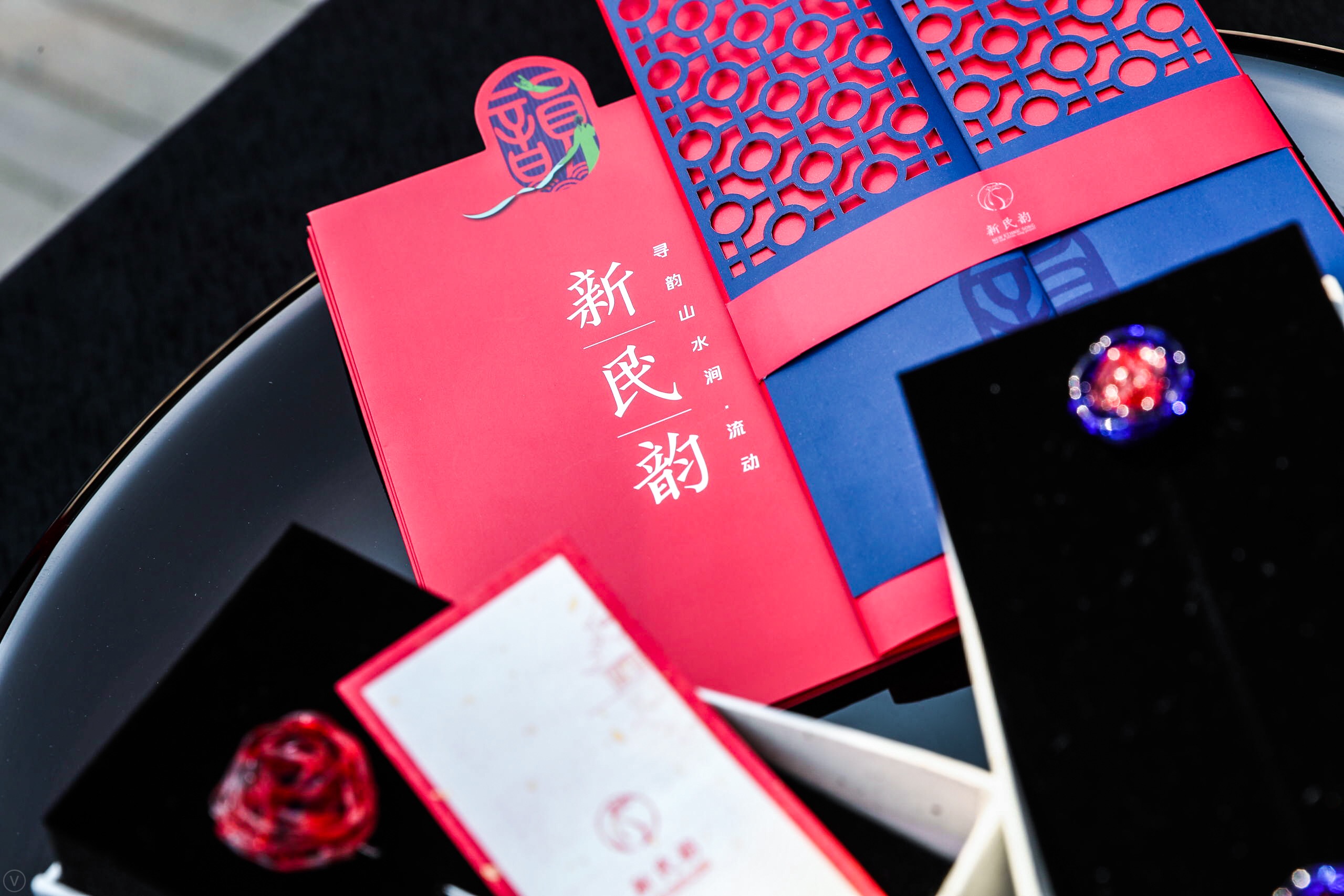
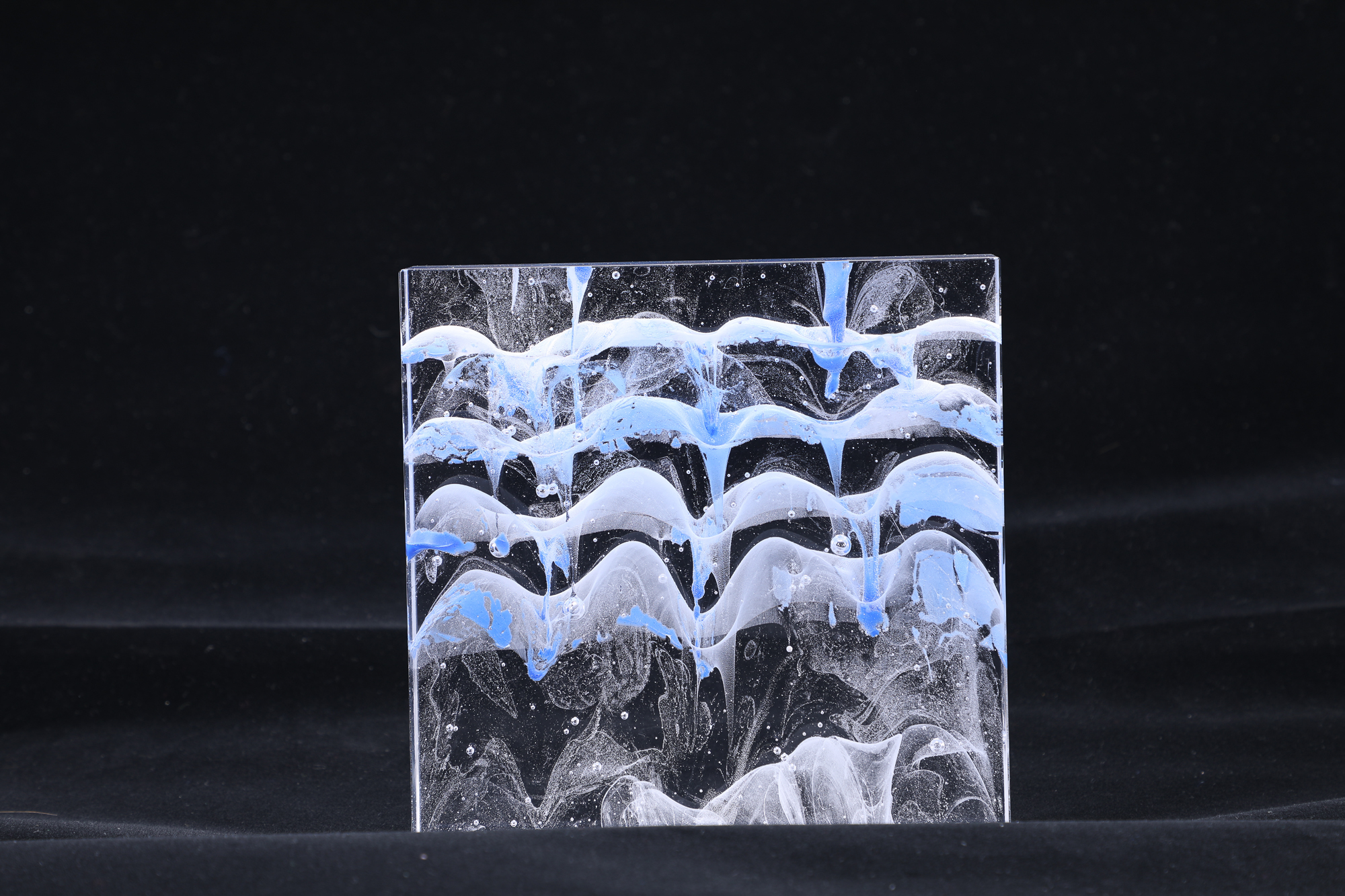
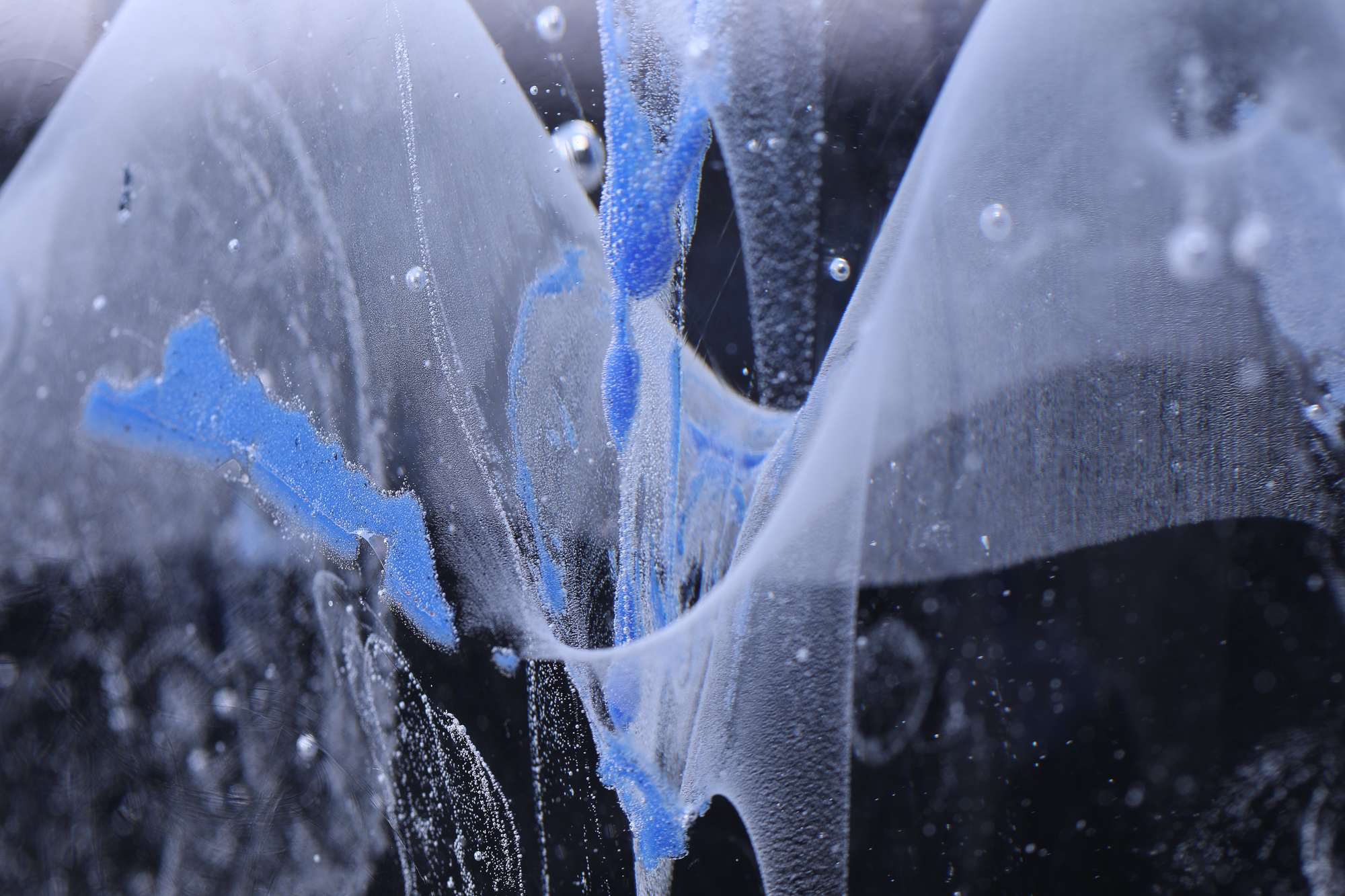
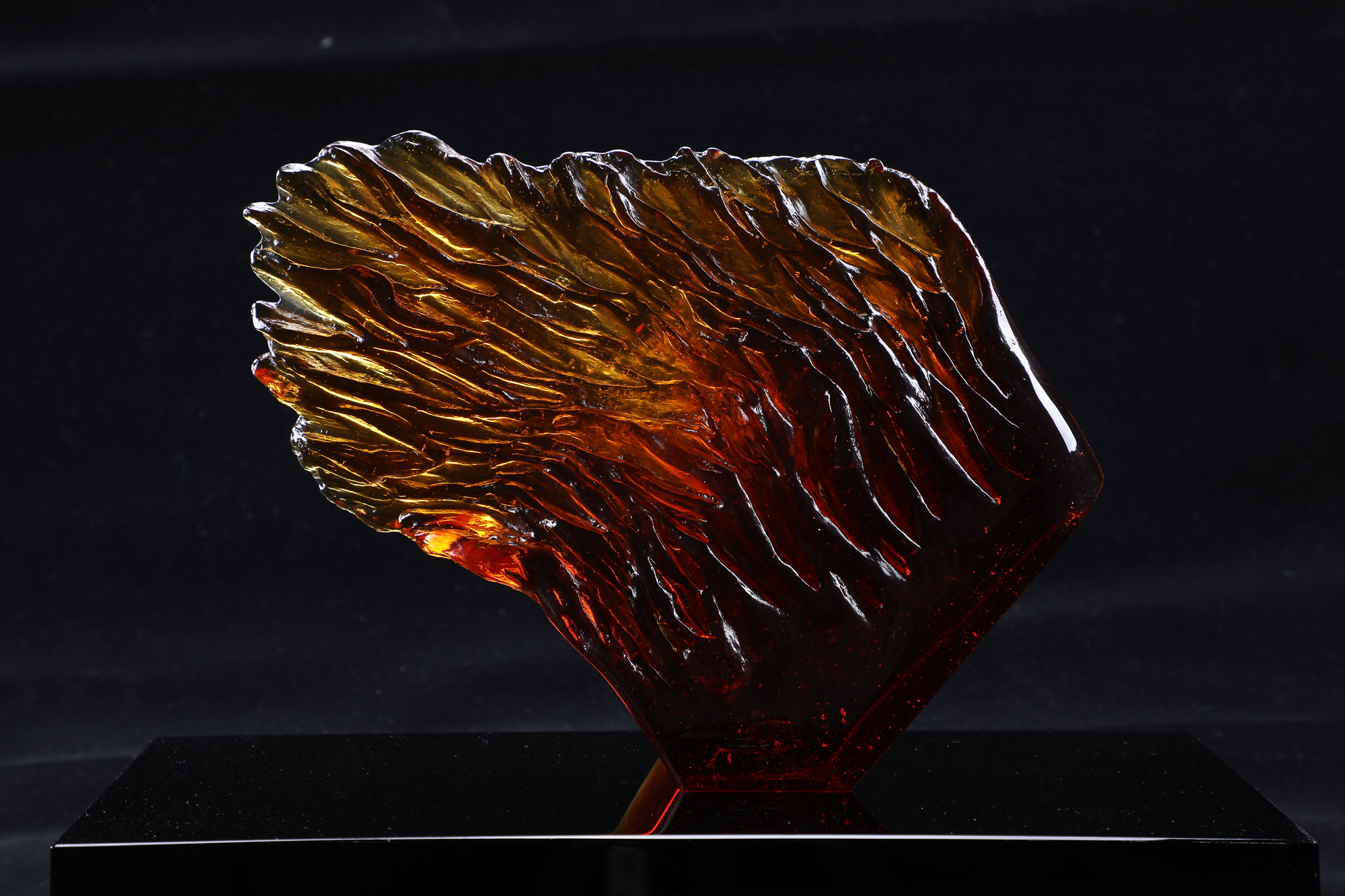
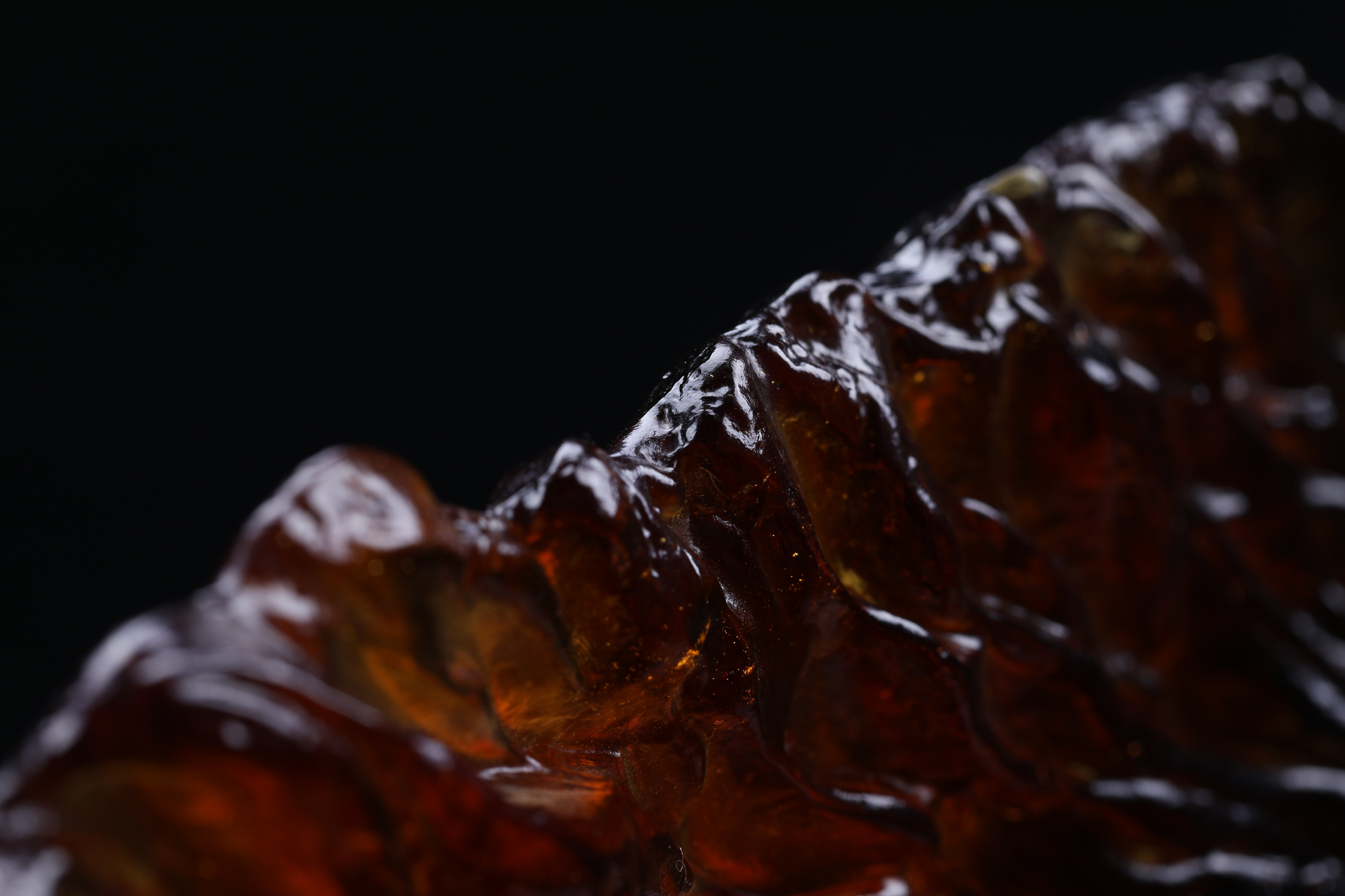
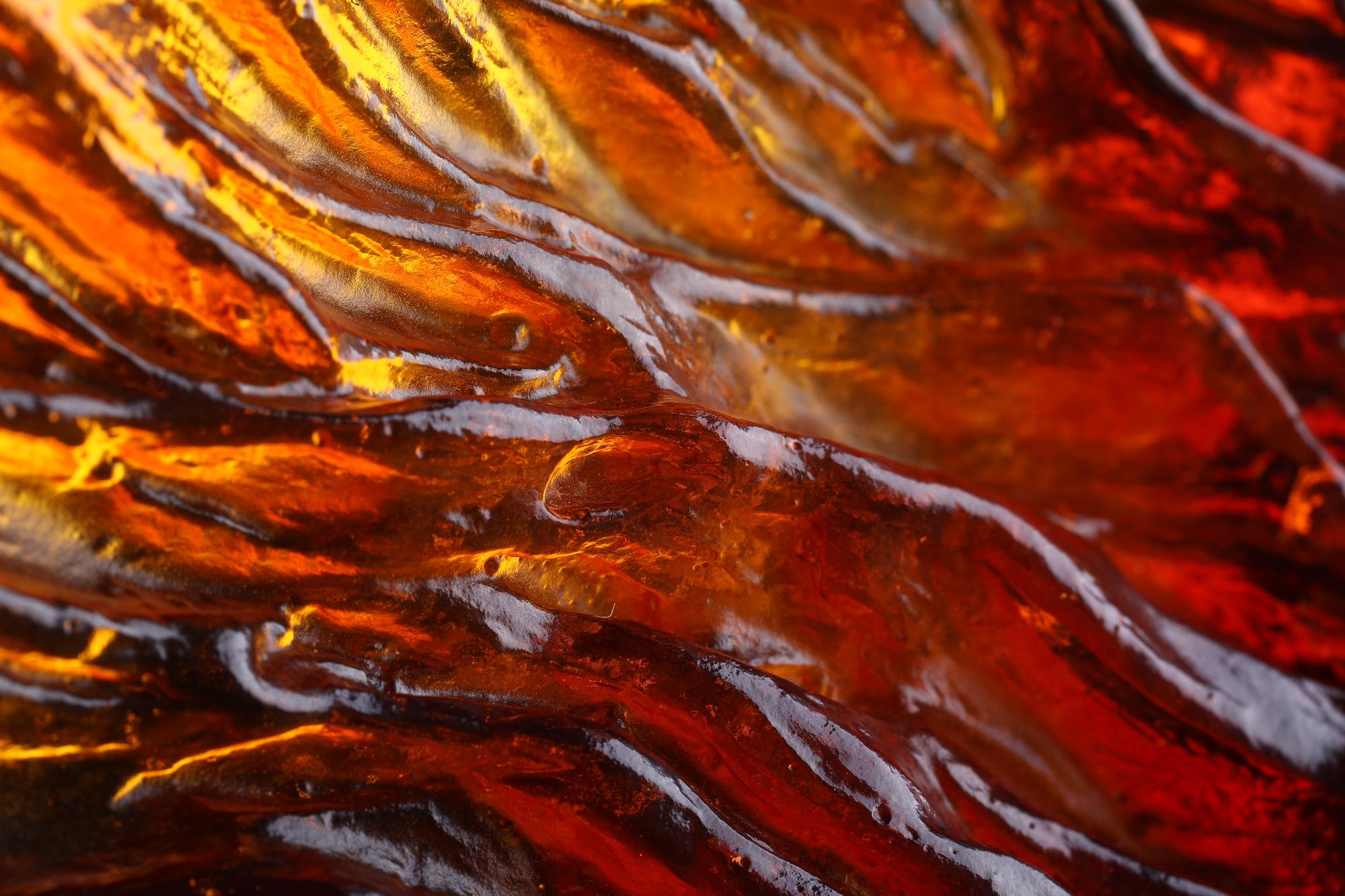
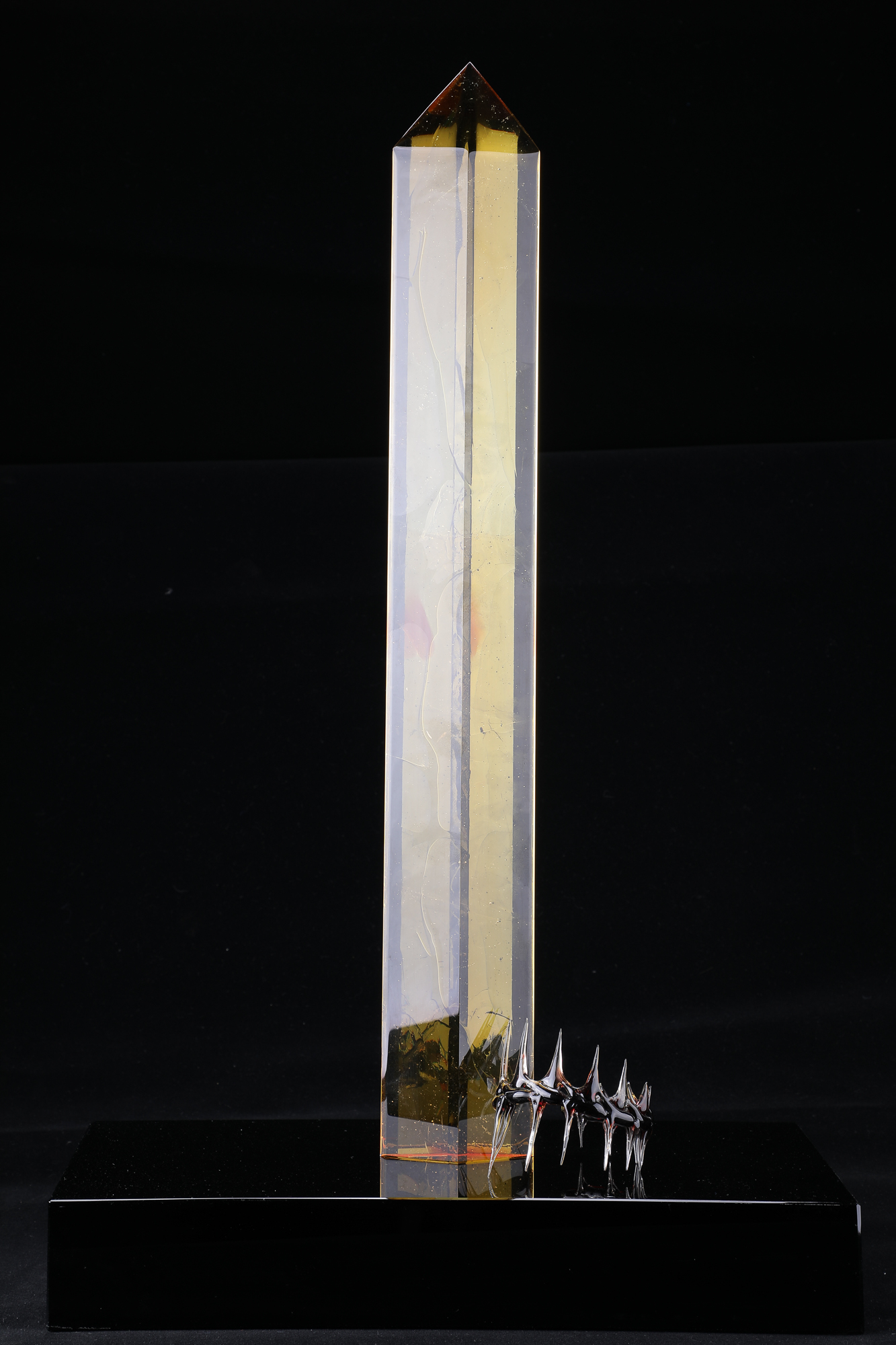
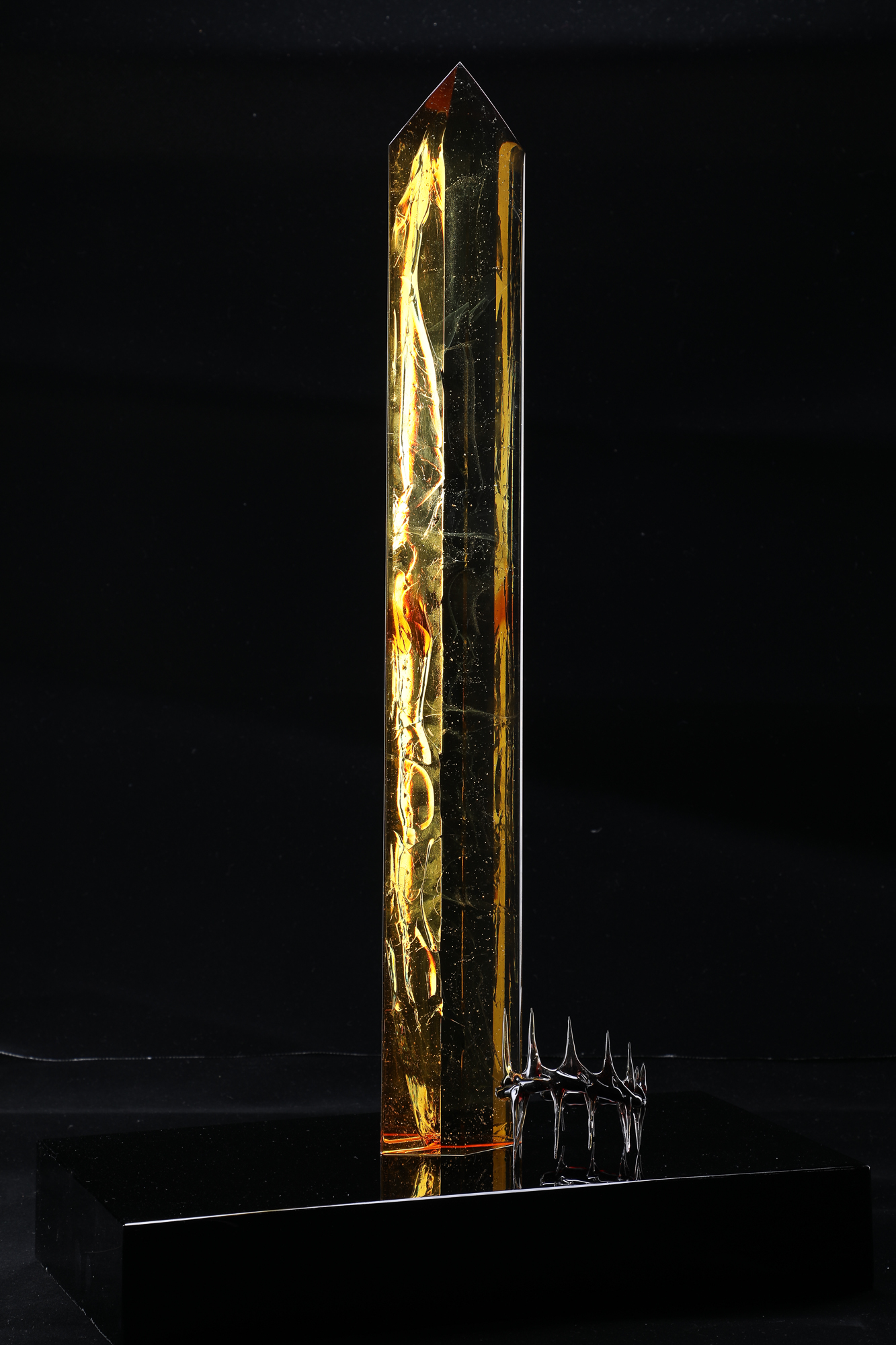
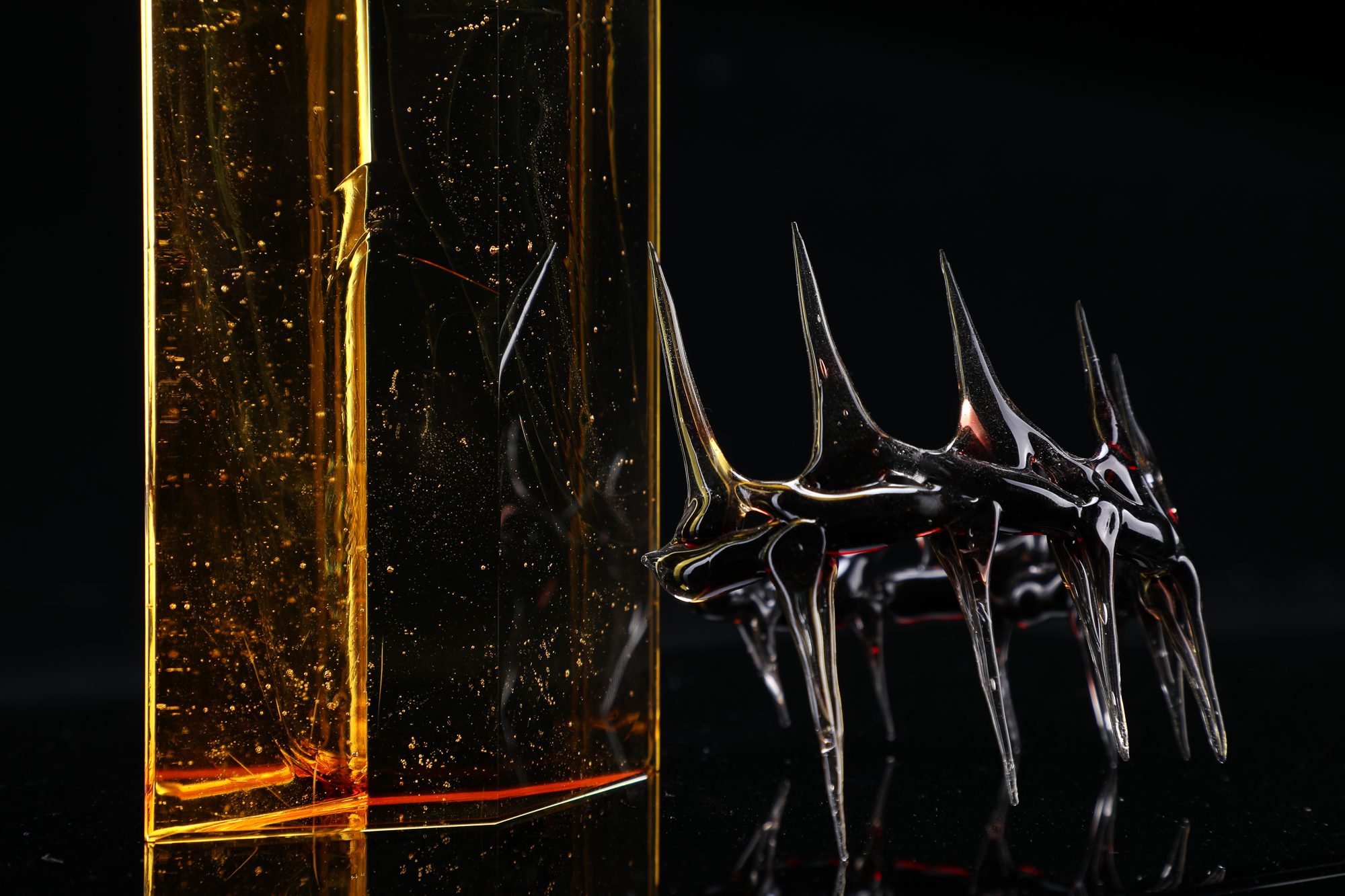
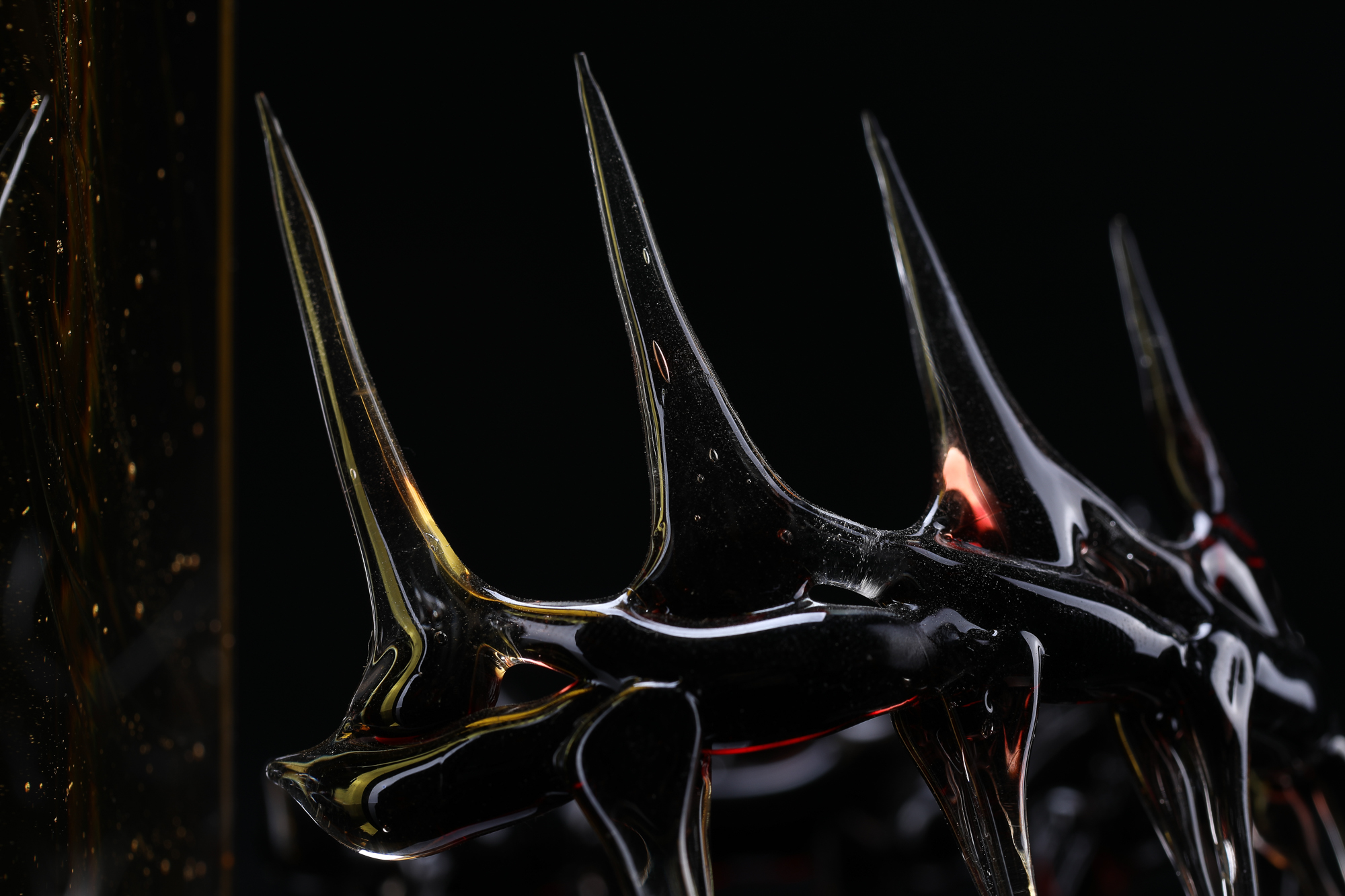
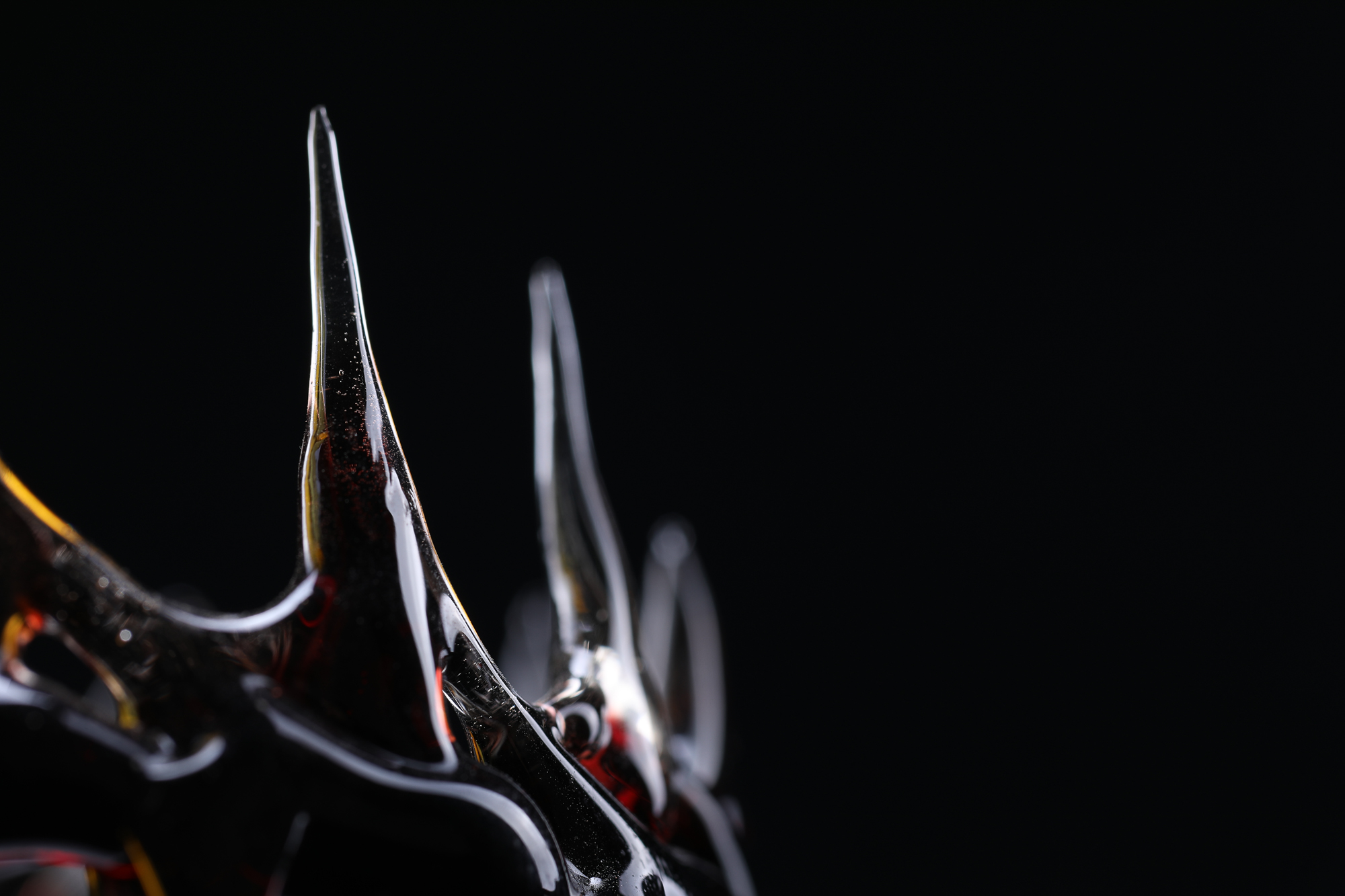
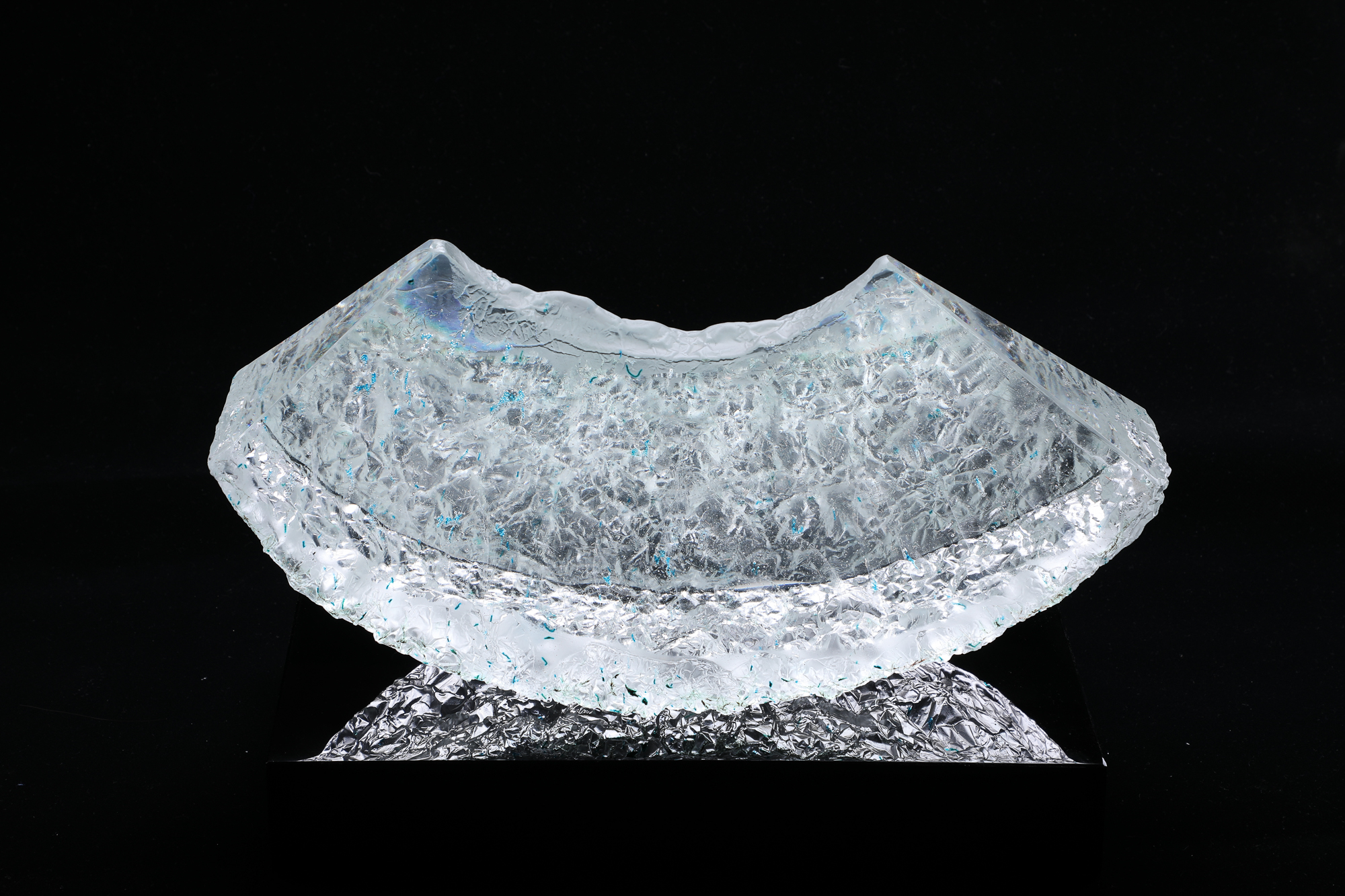
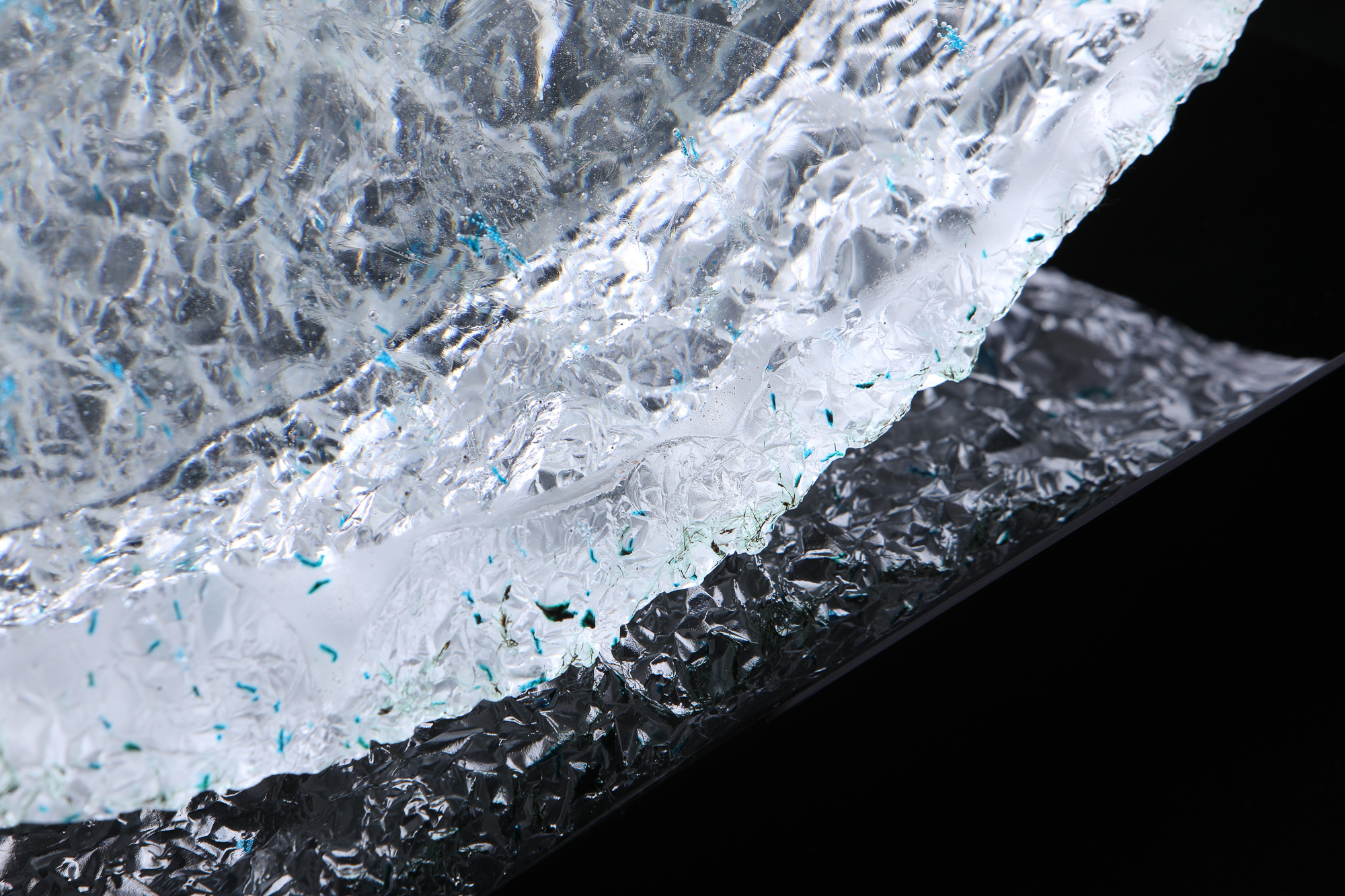
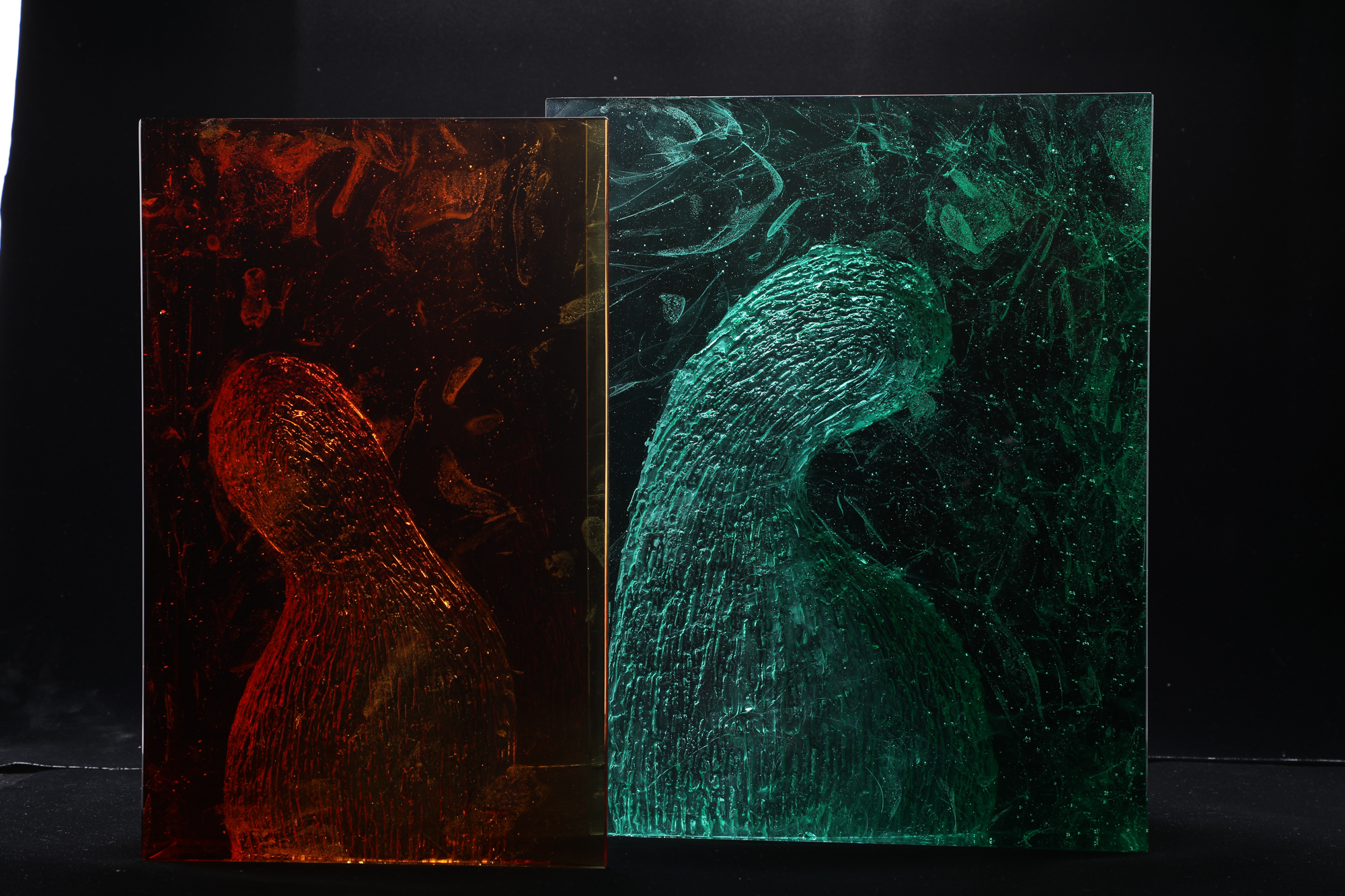
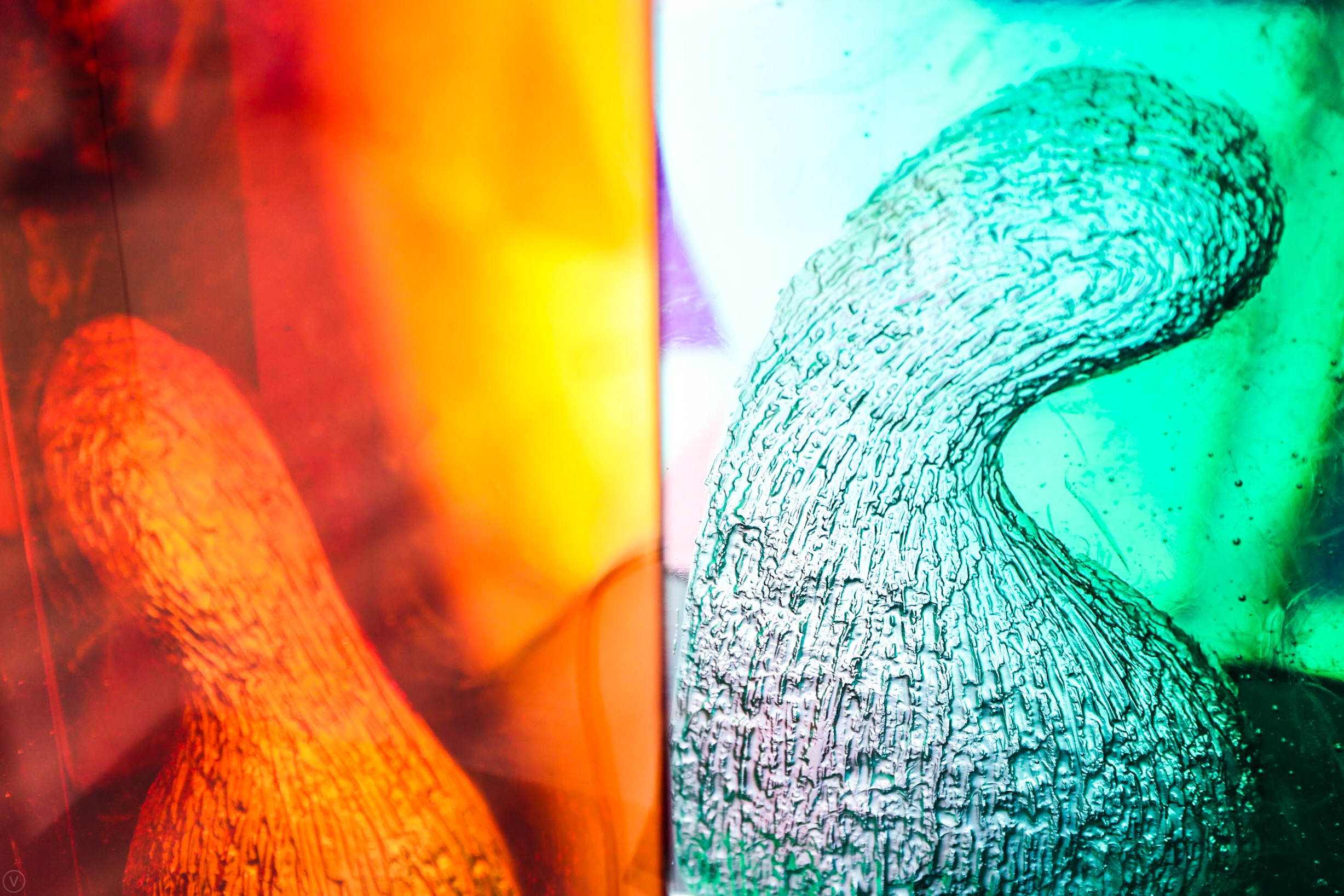
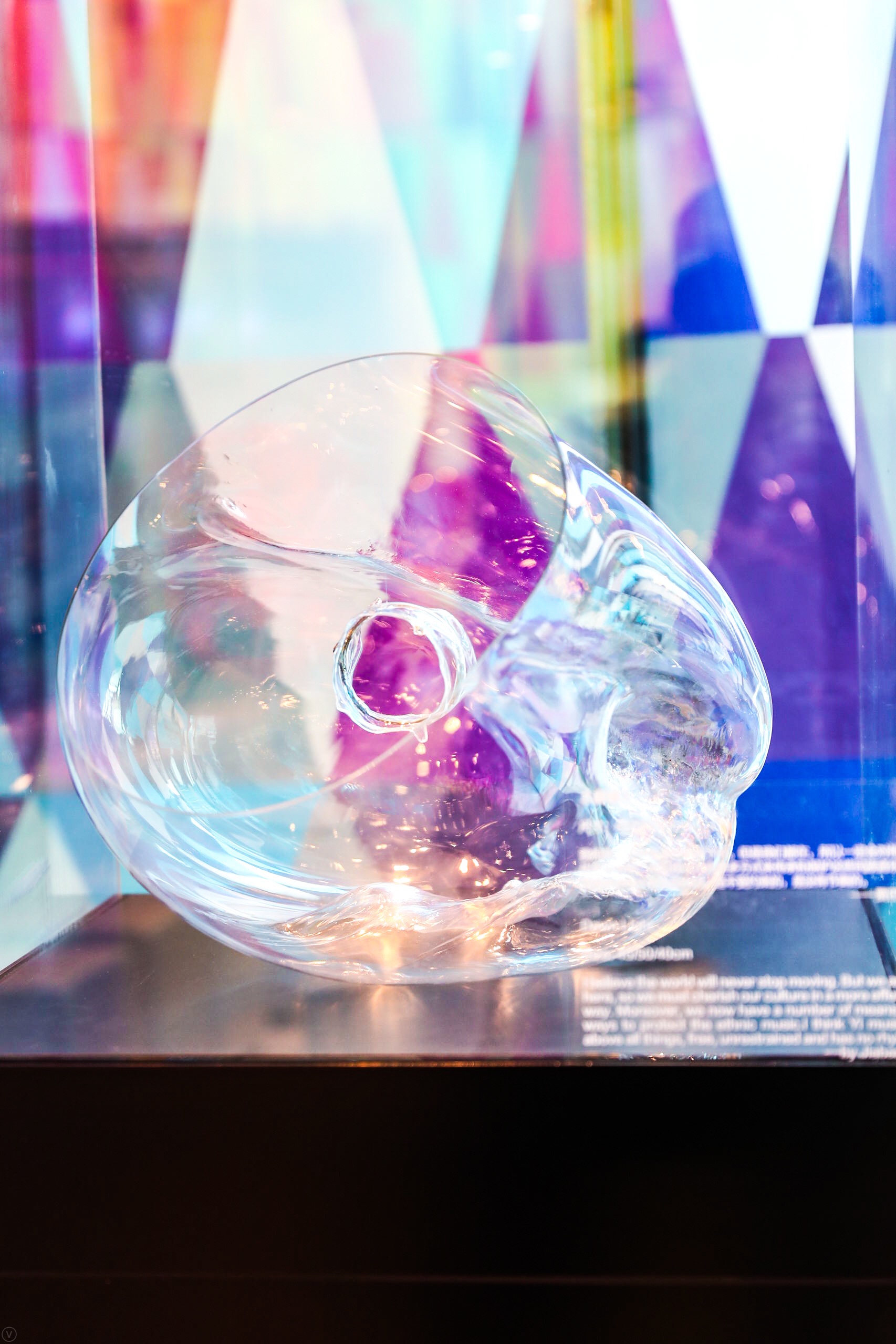
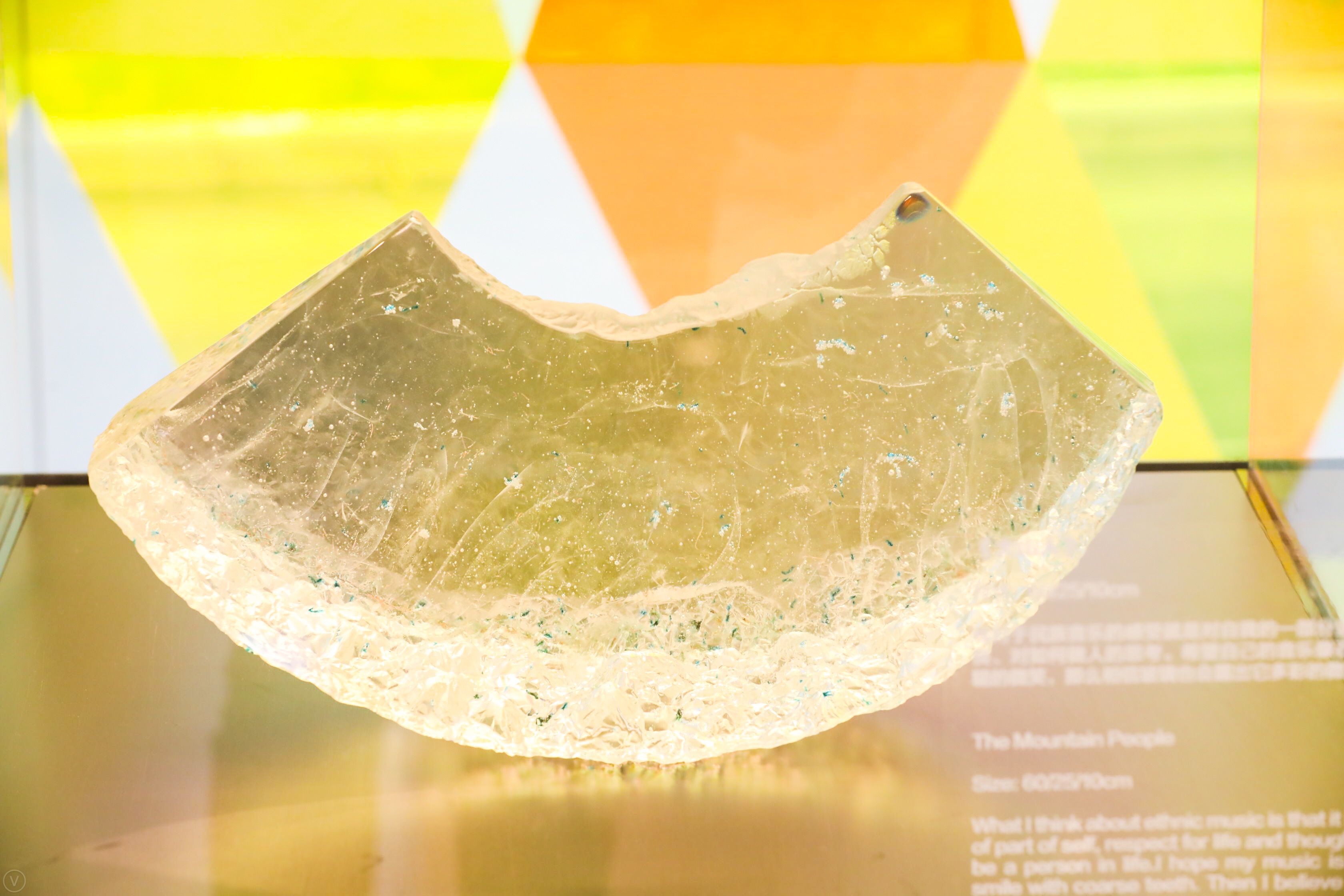
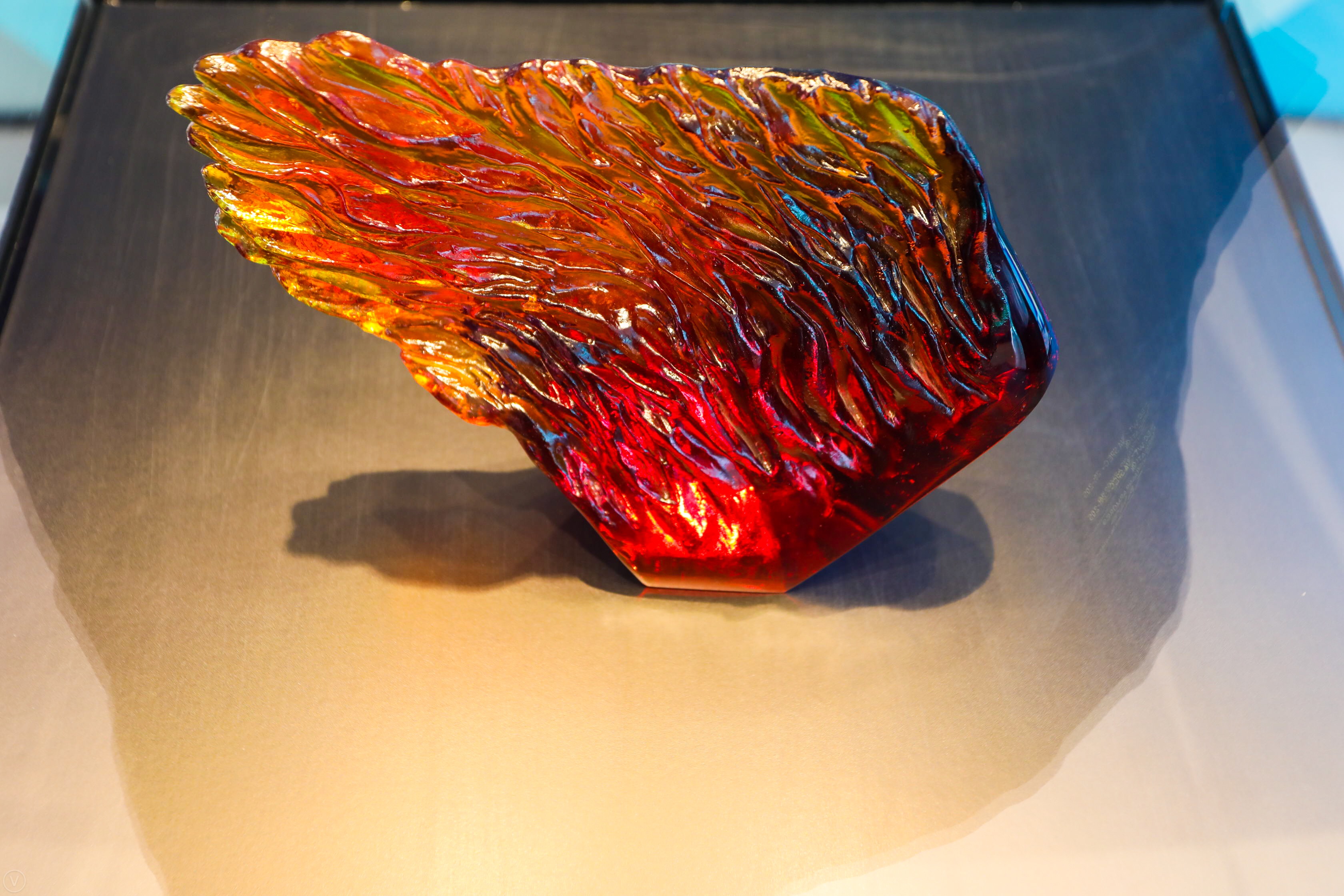
展览作品 PART OF EXHIBITS




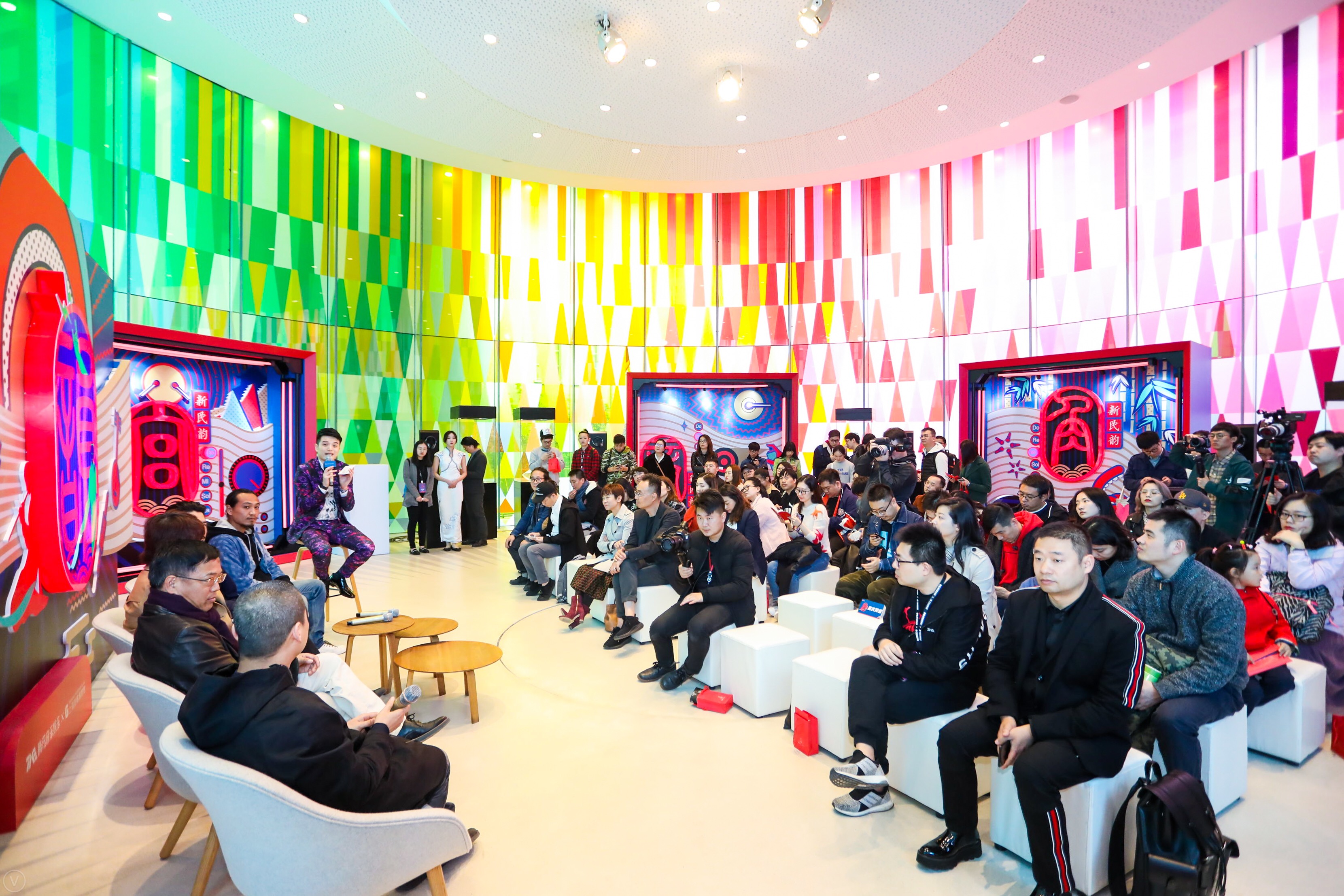
展览现场 EXHIBITION IMAGES

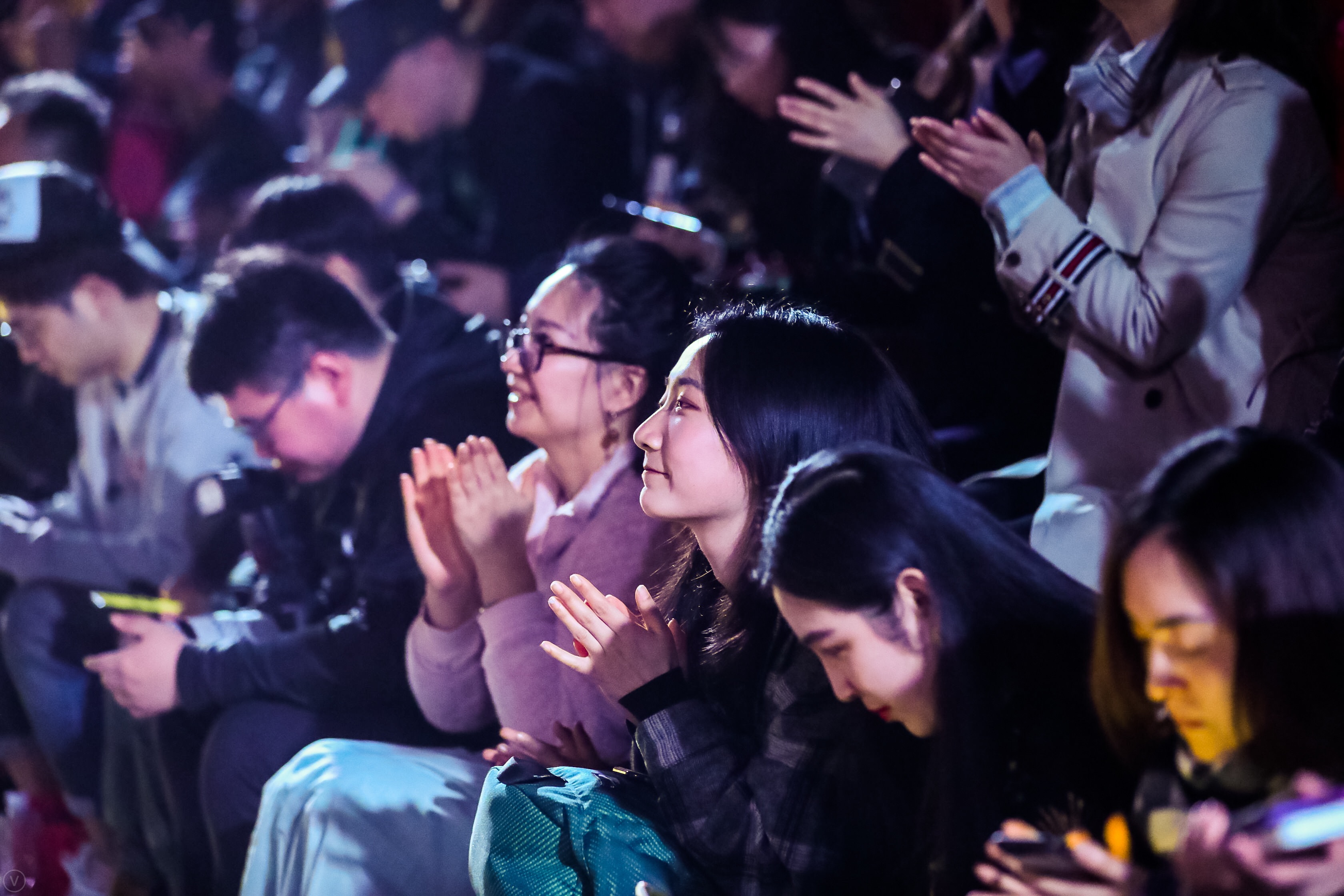
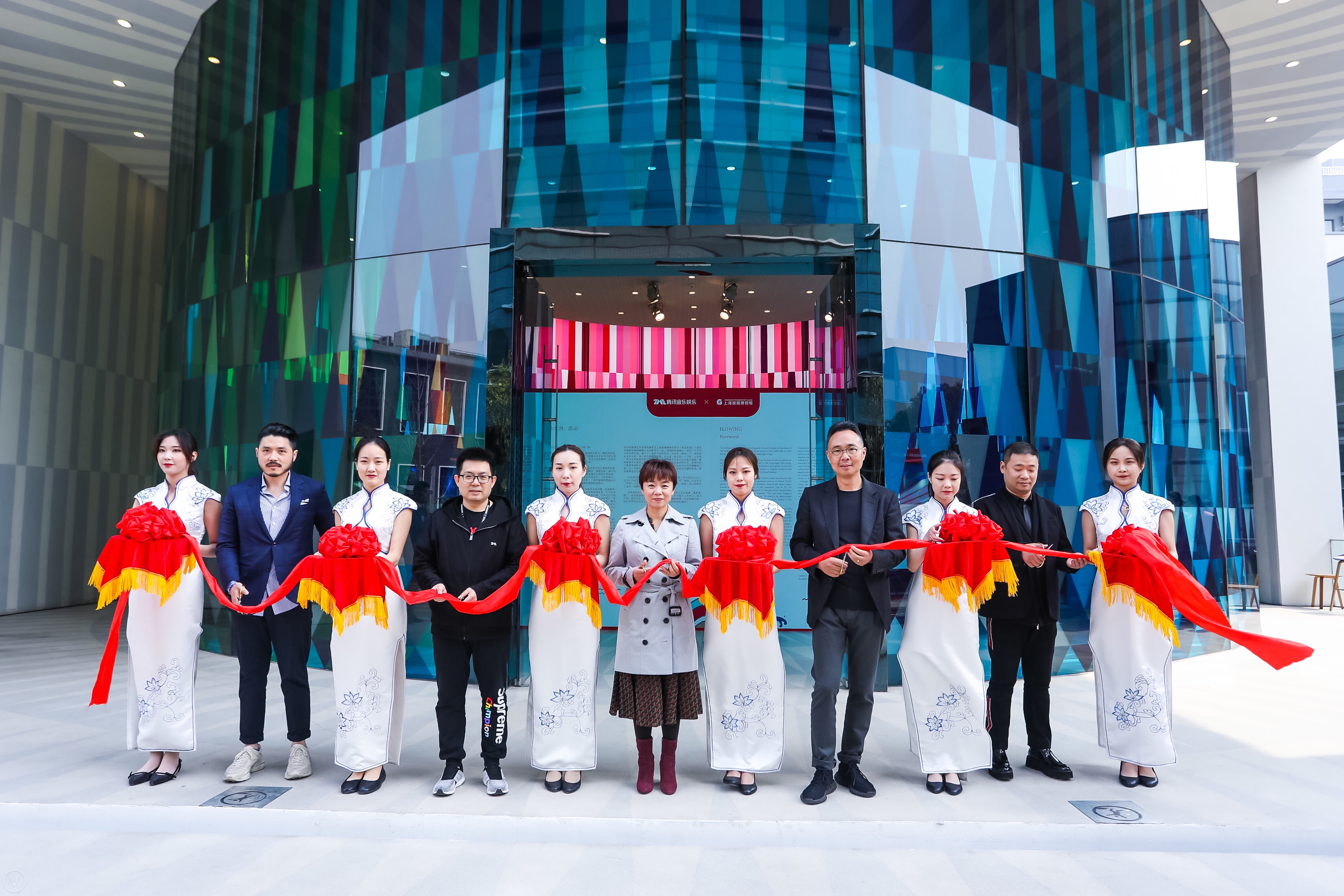
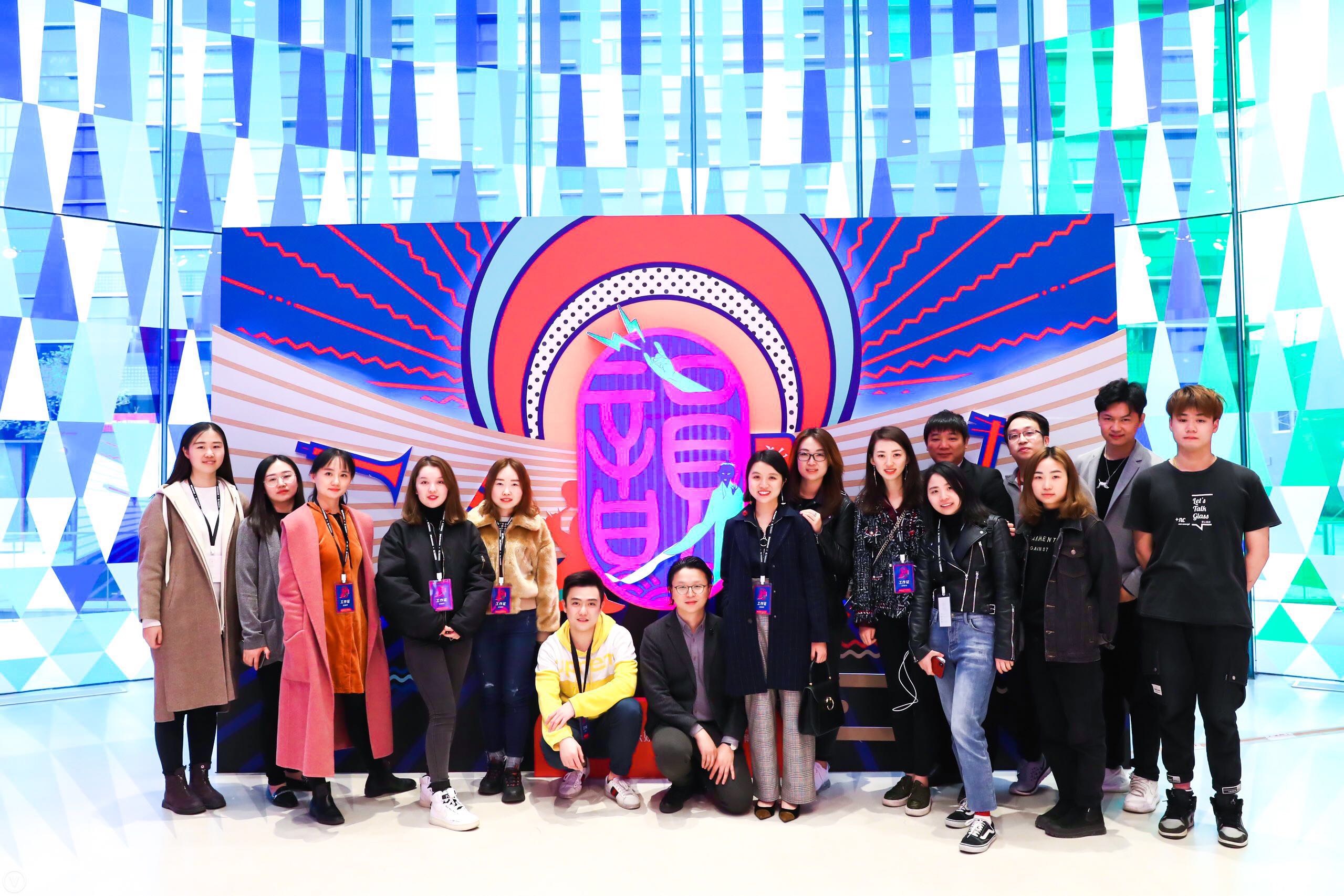
开幕现场 OPENING IMAGES