关于上海玻璃博物馆
About Shanghai Museum of Glass
跨越藩篱|与全球玻璃艺术对话
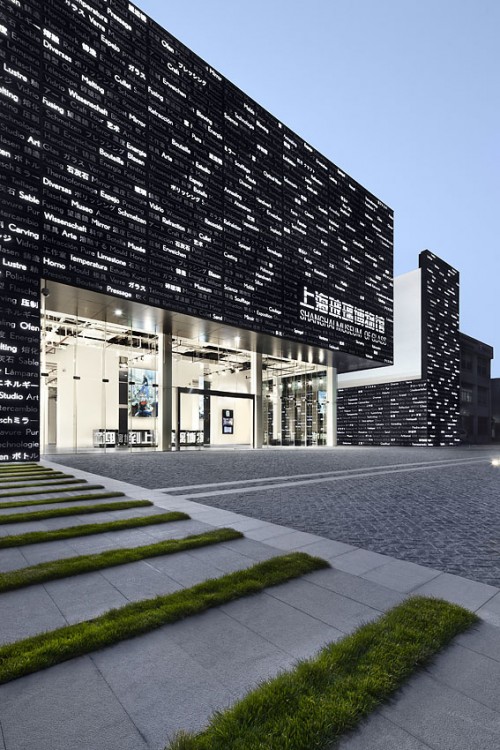
在前工业向后工业时代的转型中,上海作为中国玻璃工业最为发达的地区之一,率先完成了对工业旧址的改造,并在位于宝山区长江西路685号上海玻璃仪器一厂的原址上,建成了工业设计色彩浓厚的上海玻璃博物馆。这一举动,意味着文化艺术将在工业的土壤上复兴、再生。
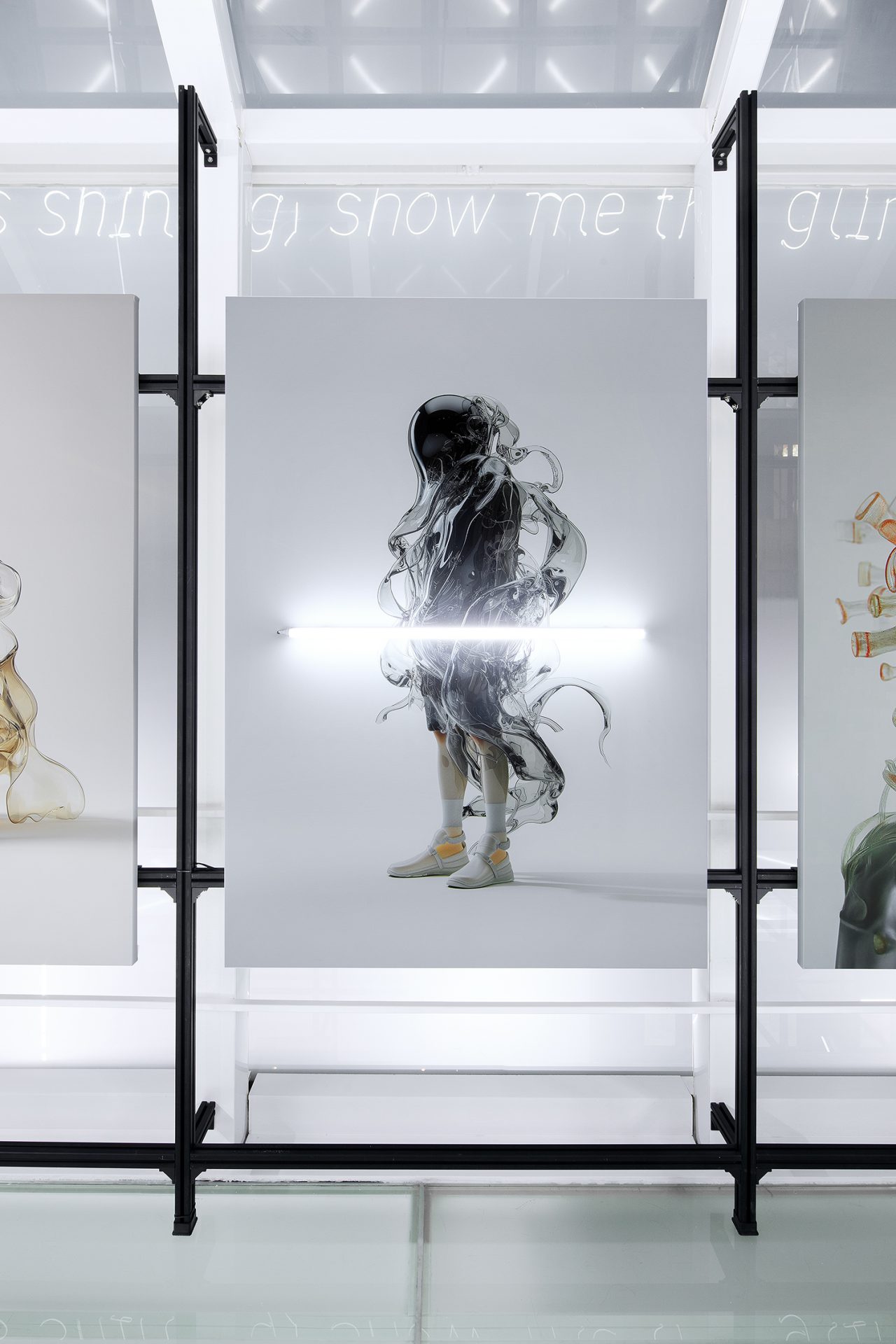
上海玻璃博物馆于2011年建成开馆,曾被美国CNN旗下网站评选为中国最不容错过的三个博物馆之一。开馆以来,上海玻璃博物馆持续为公众呈现精彩纷呈的展览:从国内外学院派玻璃艺术展览,到古玻璃专题展览,再到KEEP IT GLASSY系列展览,以及从2015年开始启动,将玻璃与当代艺术进行跨界共融的“退火”系列展览……在上海玻璃博物馆,玻璃艺术与设计正跨越时间、空间和语言文化的藩篱,以各式跨型态的精彩面貌共享于众。
Crossing the fence | Dialogue with Global Glass Art
During Shanghai’s transformation into the post-industrial era – the city which has a long developed glass manufacturing business took the lead in remodelling these old industrial buildings. The Shanghai Glassware Factory was turned into the Shanghai Museum of Glass, with many of its original remnants still visible. The revival demonstrates how art and culture can be fostered from old, and often forgotten industrial landscapes.
Opened in 2011, the Shanghai Museum of Glass is listed as one of the three must-visit museums in China by a CNN-owned website. Shanghai Museum of Glass has presented impressive exhibitions over the past several years, from the academic glass art exhibition by domestic and international artists, the ancient glass themed exhibition, to Keep It Glassy series exhibition, and the cross-border “Annealing” series exhibition, started in 2015, fusing glass and contemporary art together mutually. In the Shanghai Museum of Glass, glass art and design crosses the border between time, space, culture and language, and is presented to the public audience in different cross-type forms.
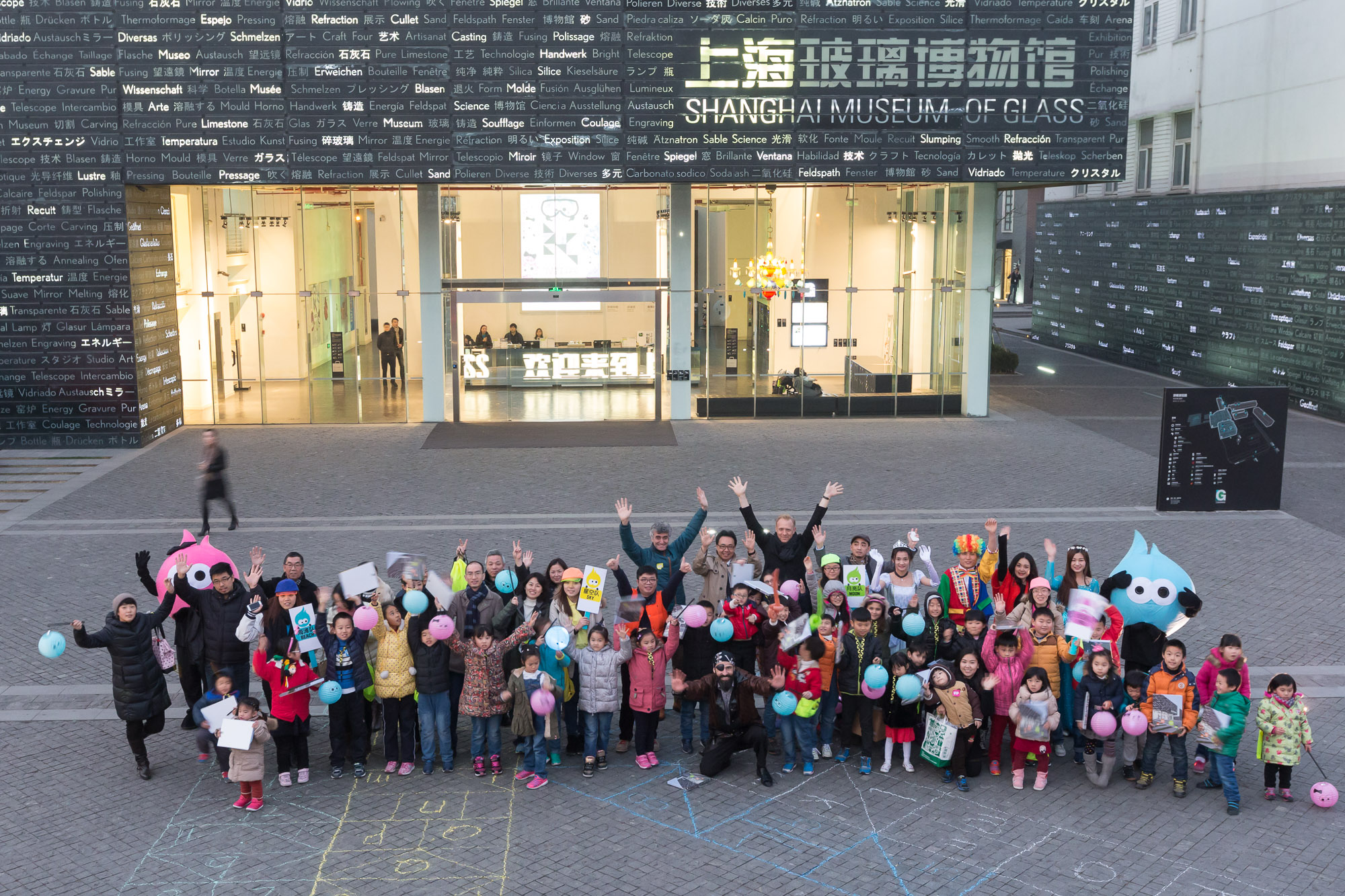
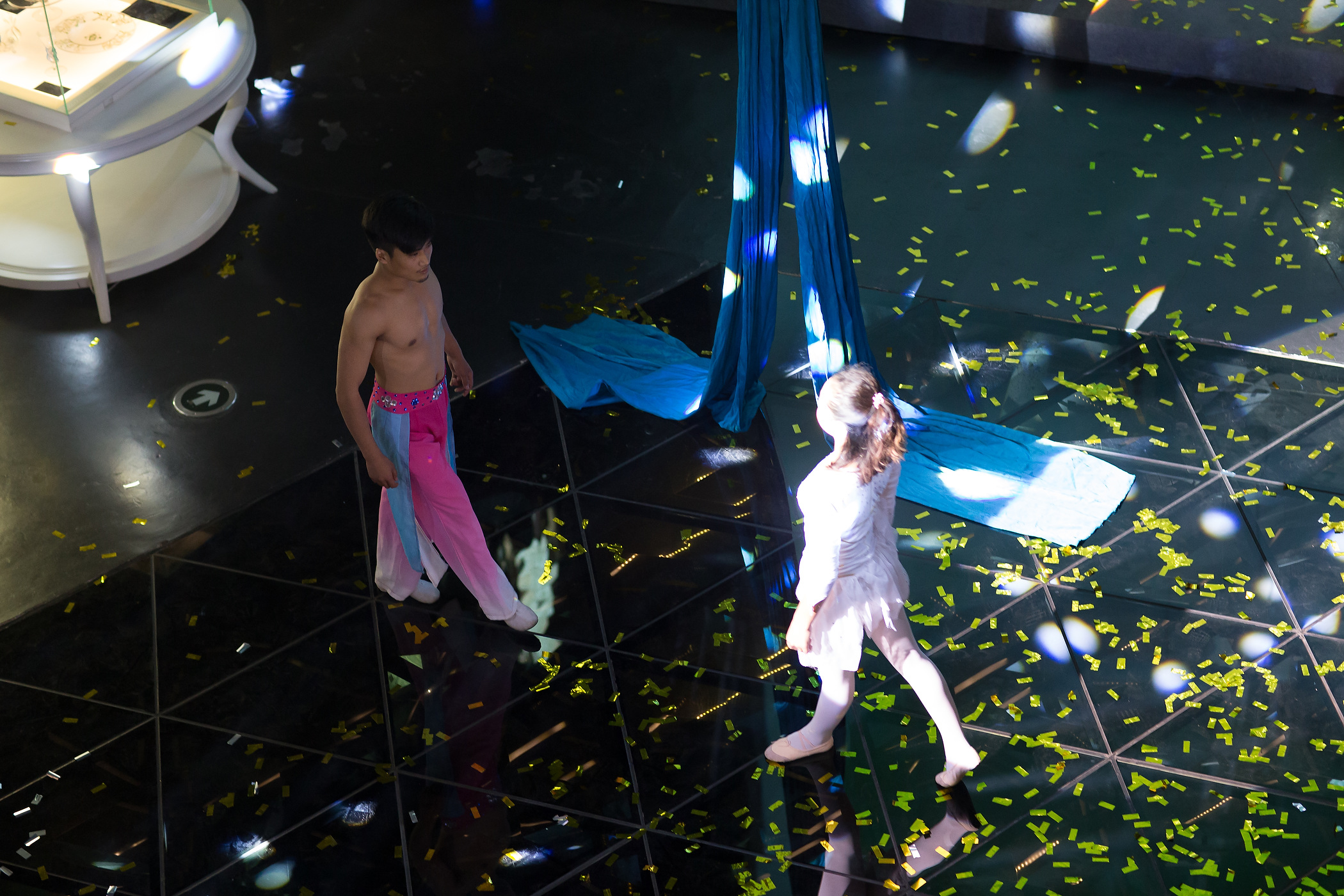
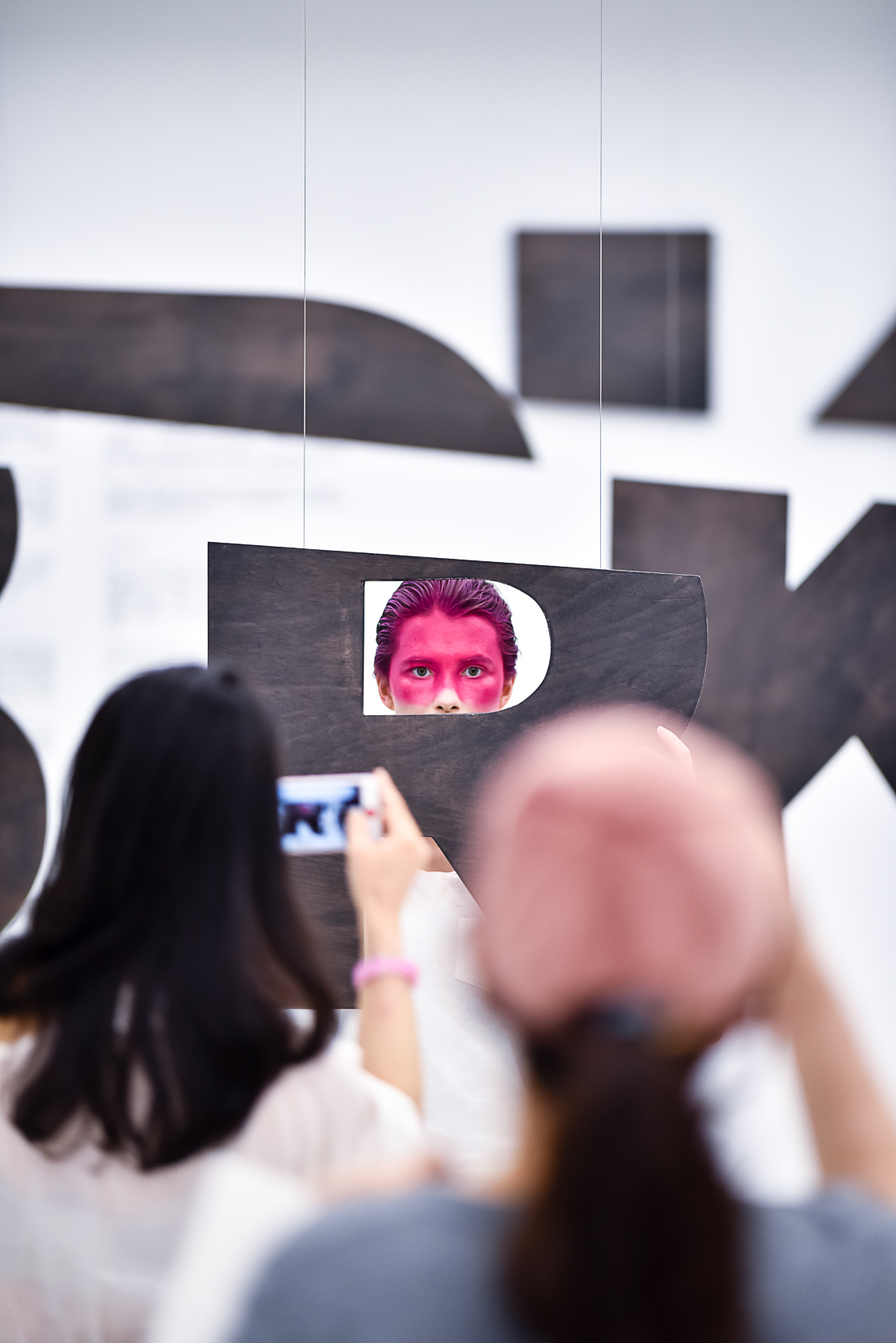


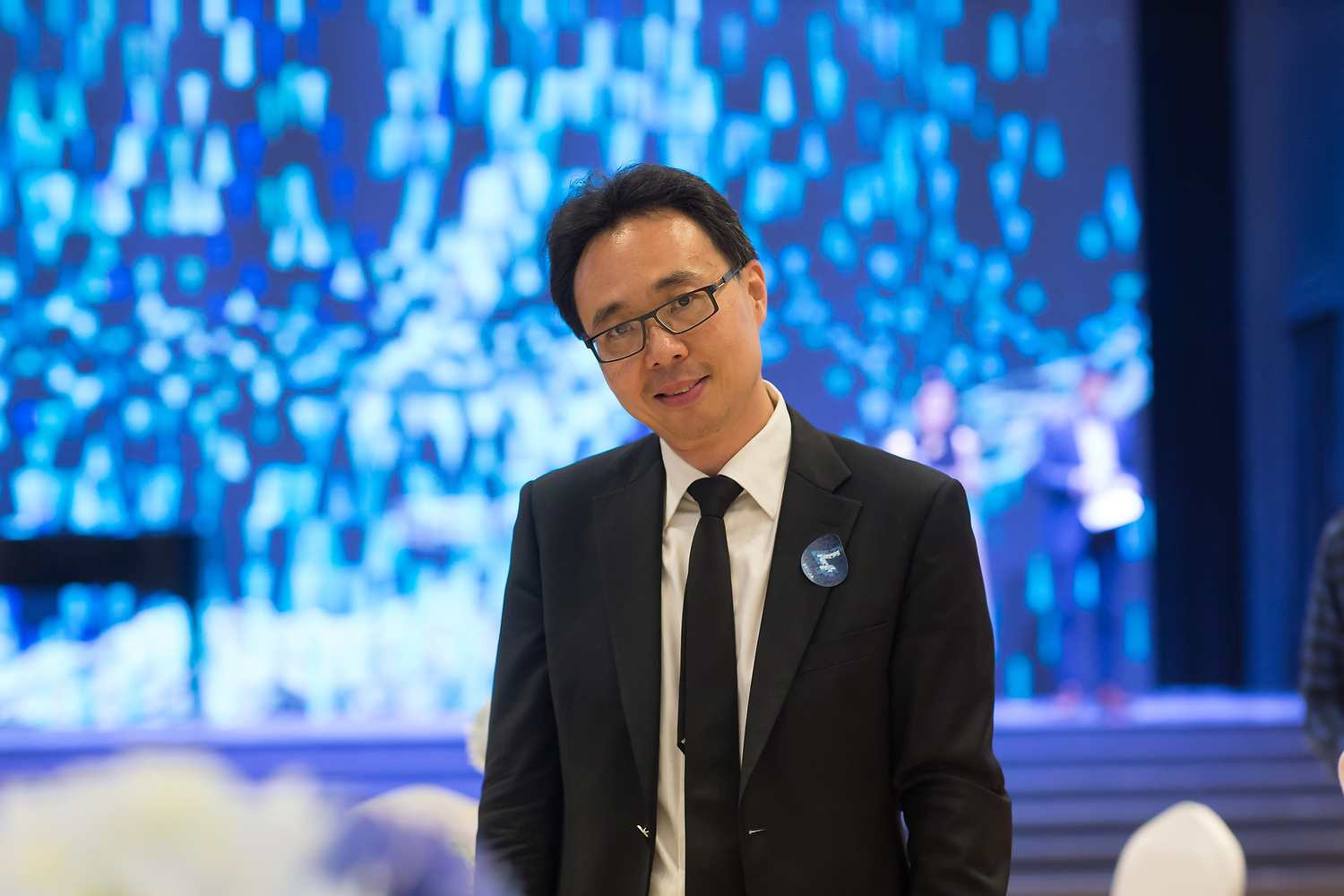
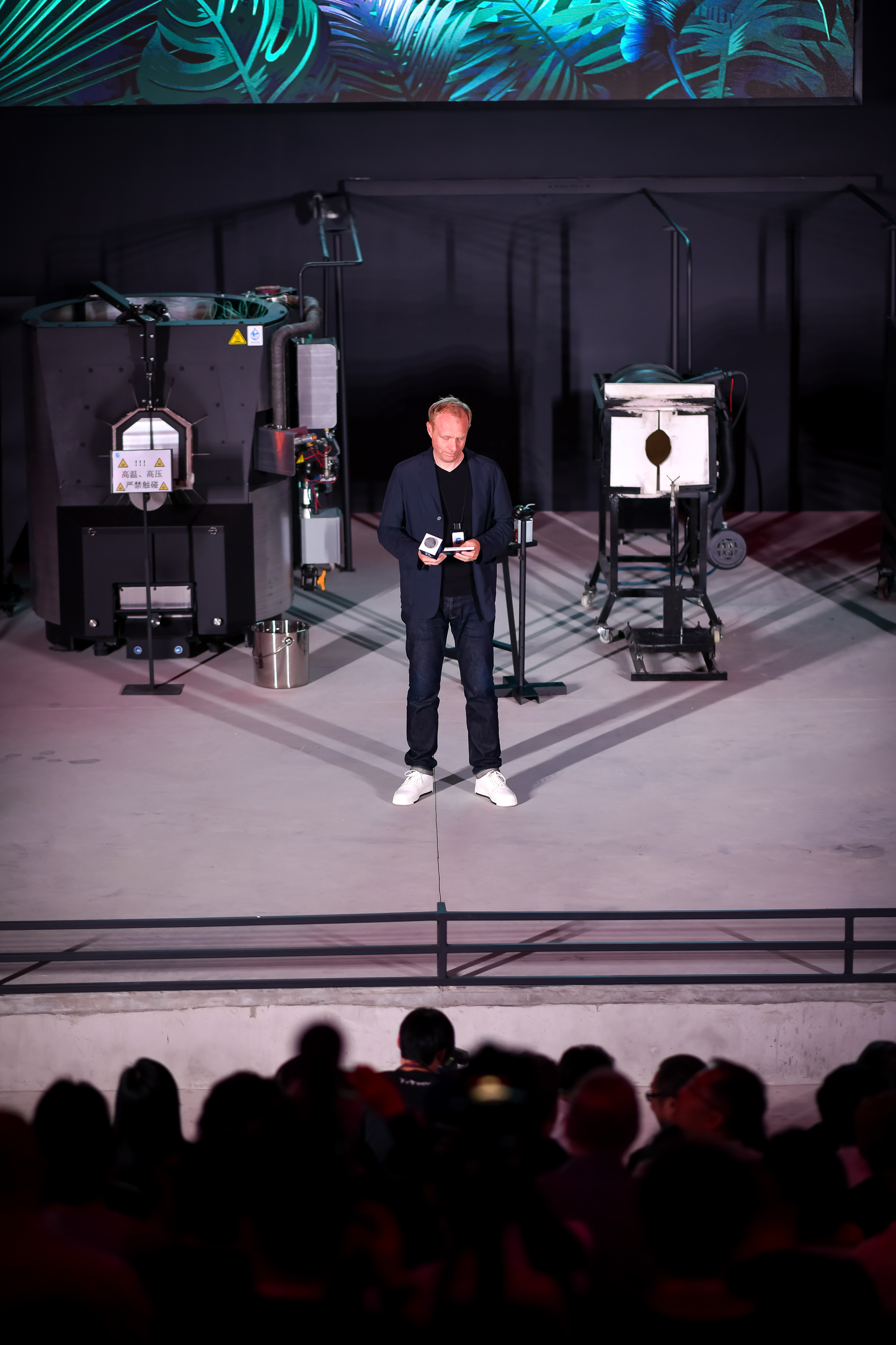
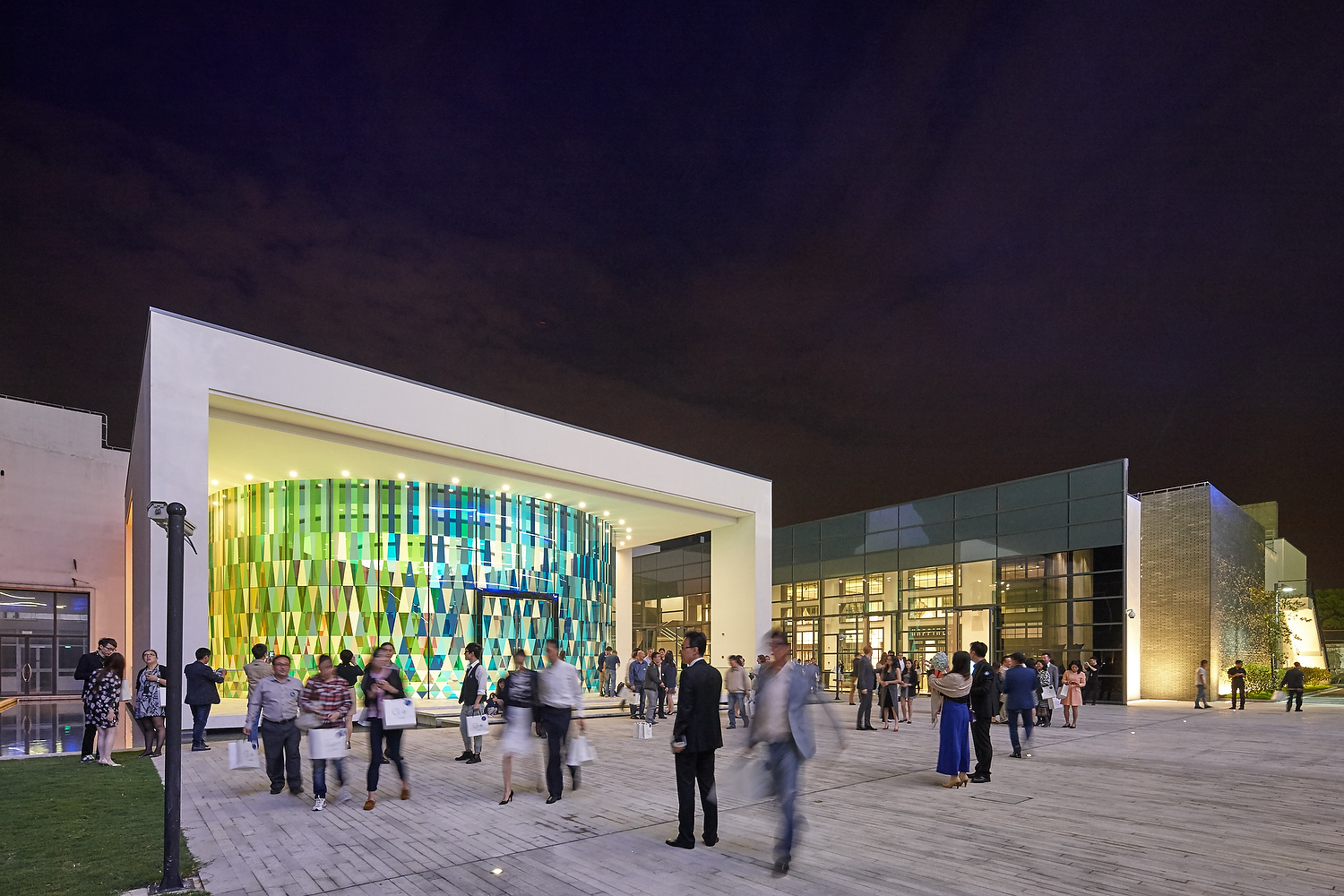
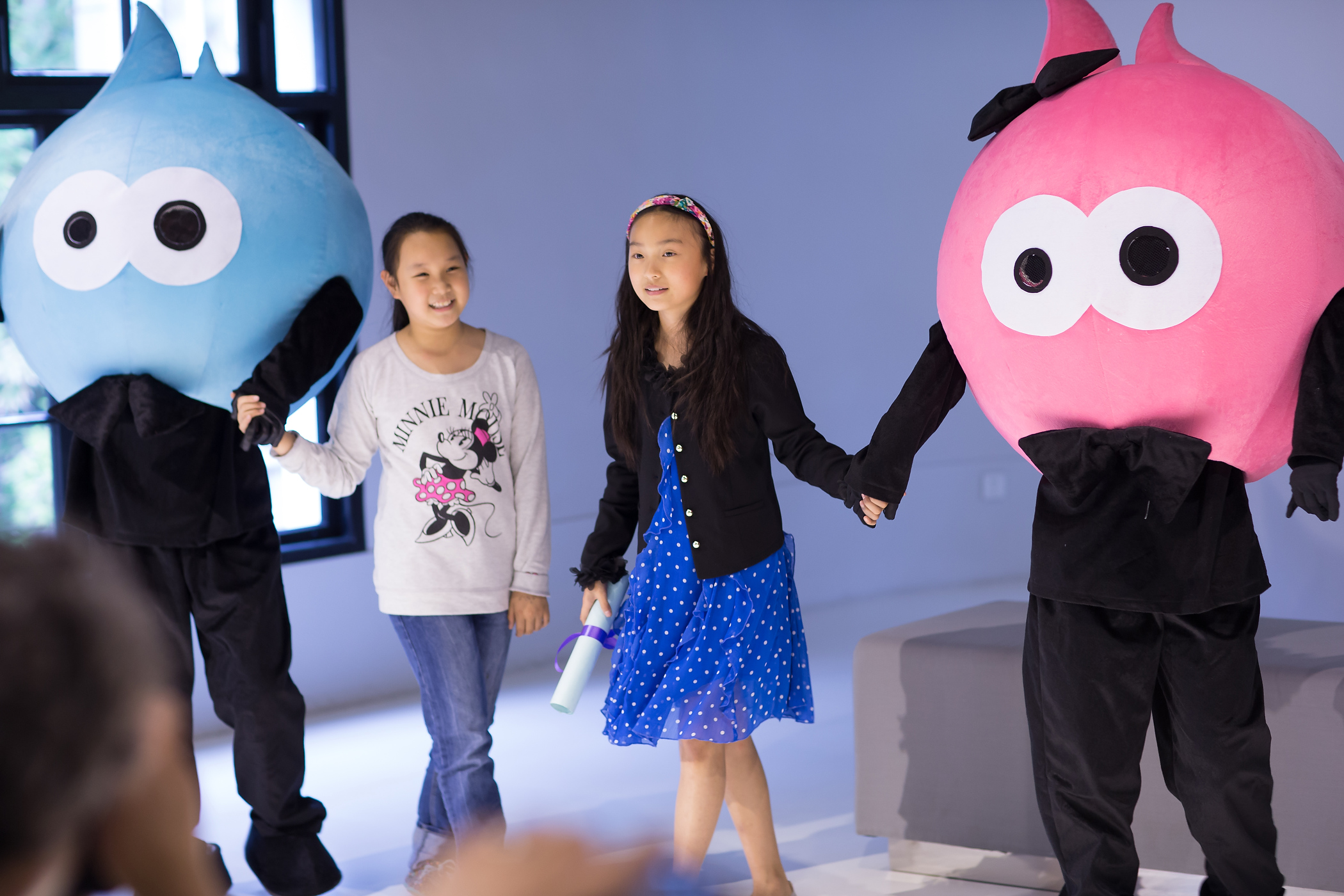
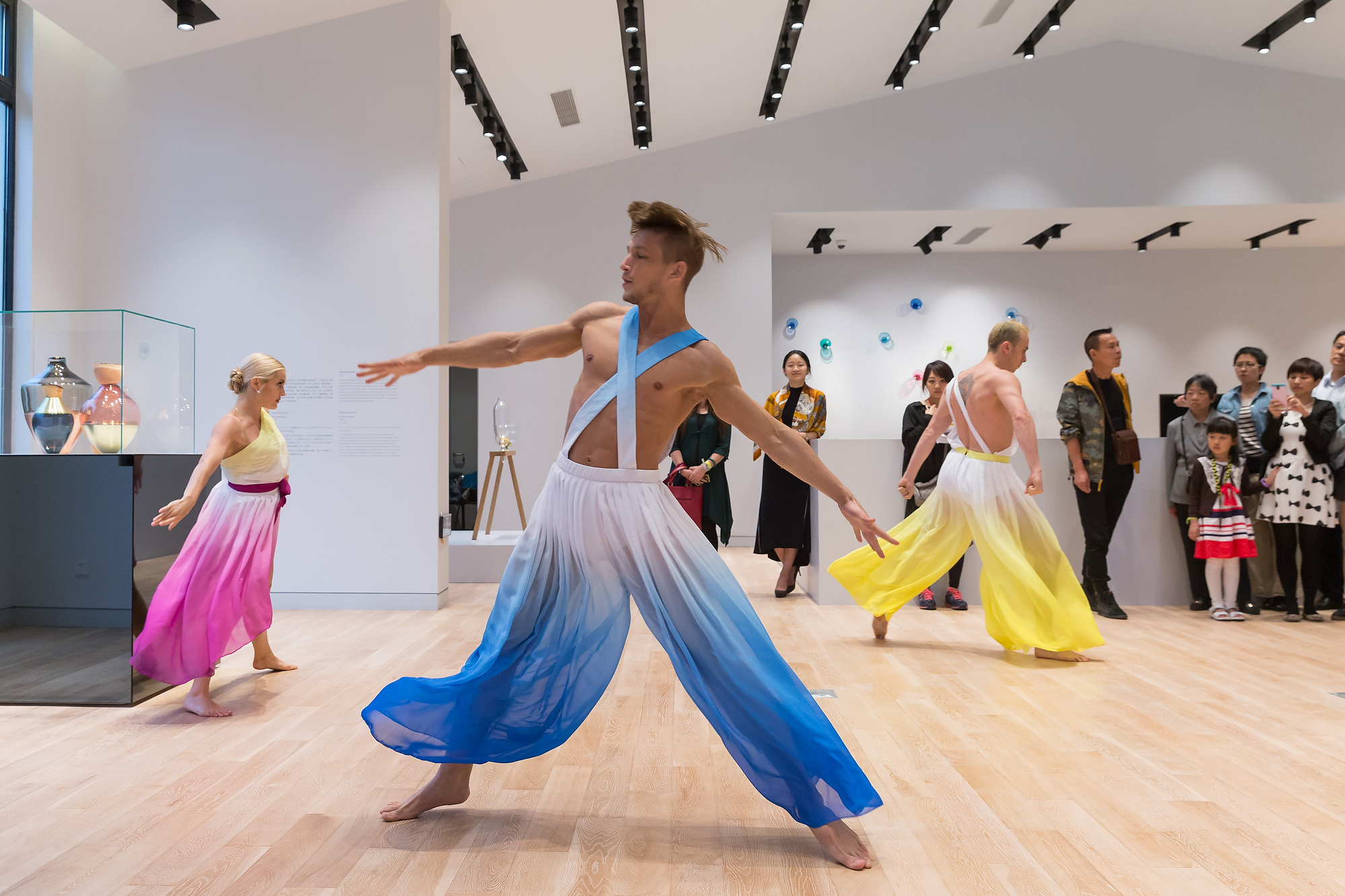

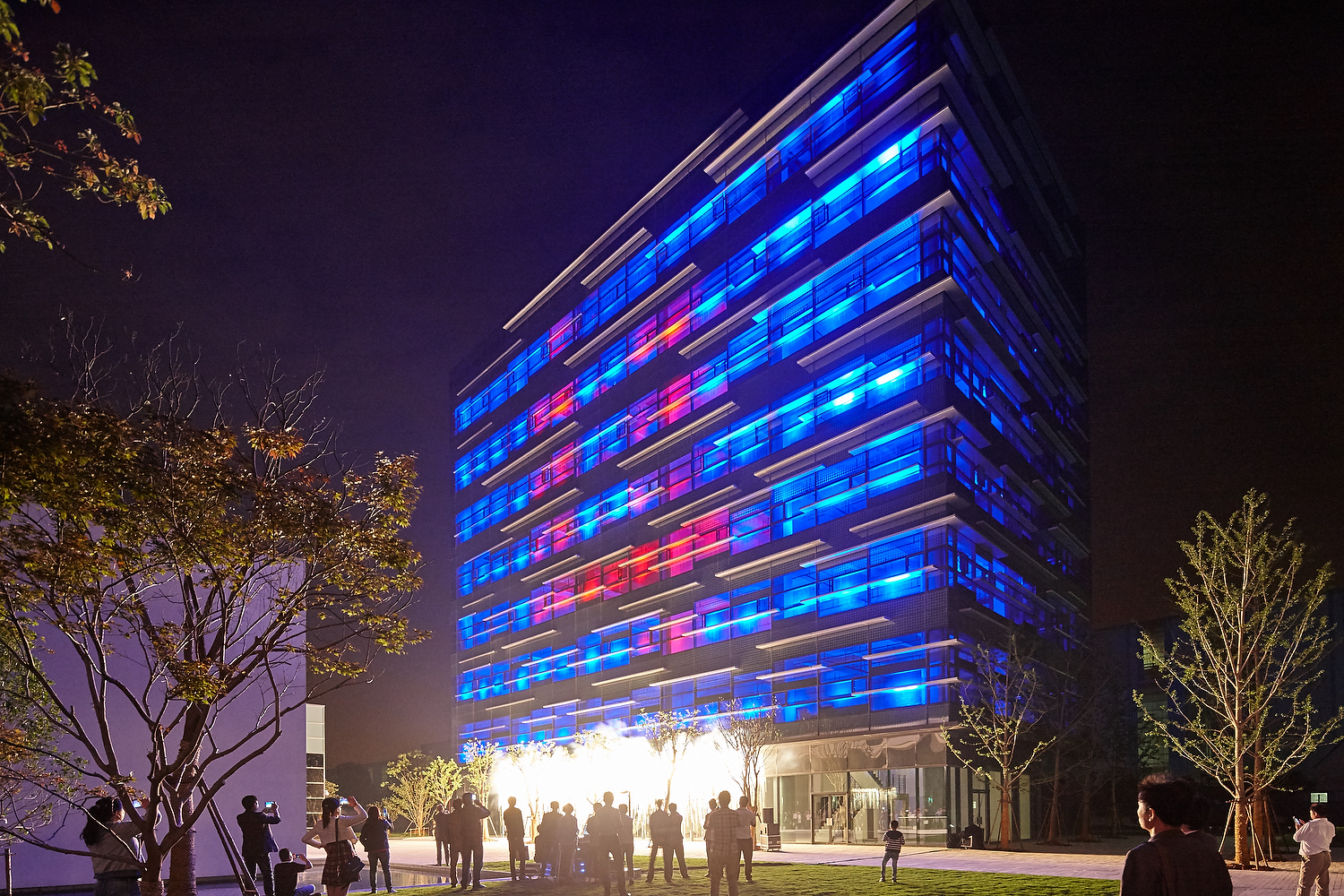
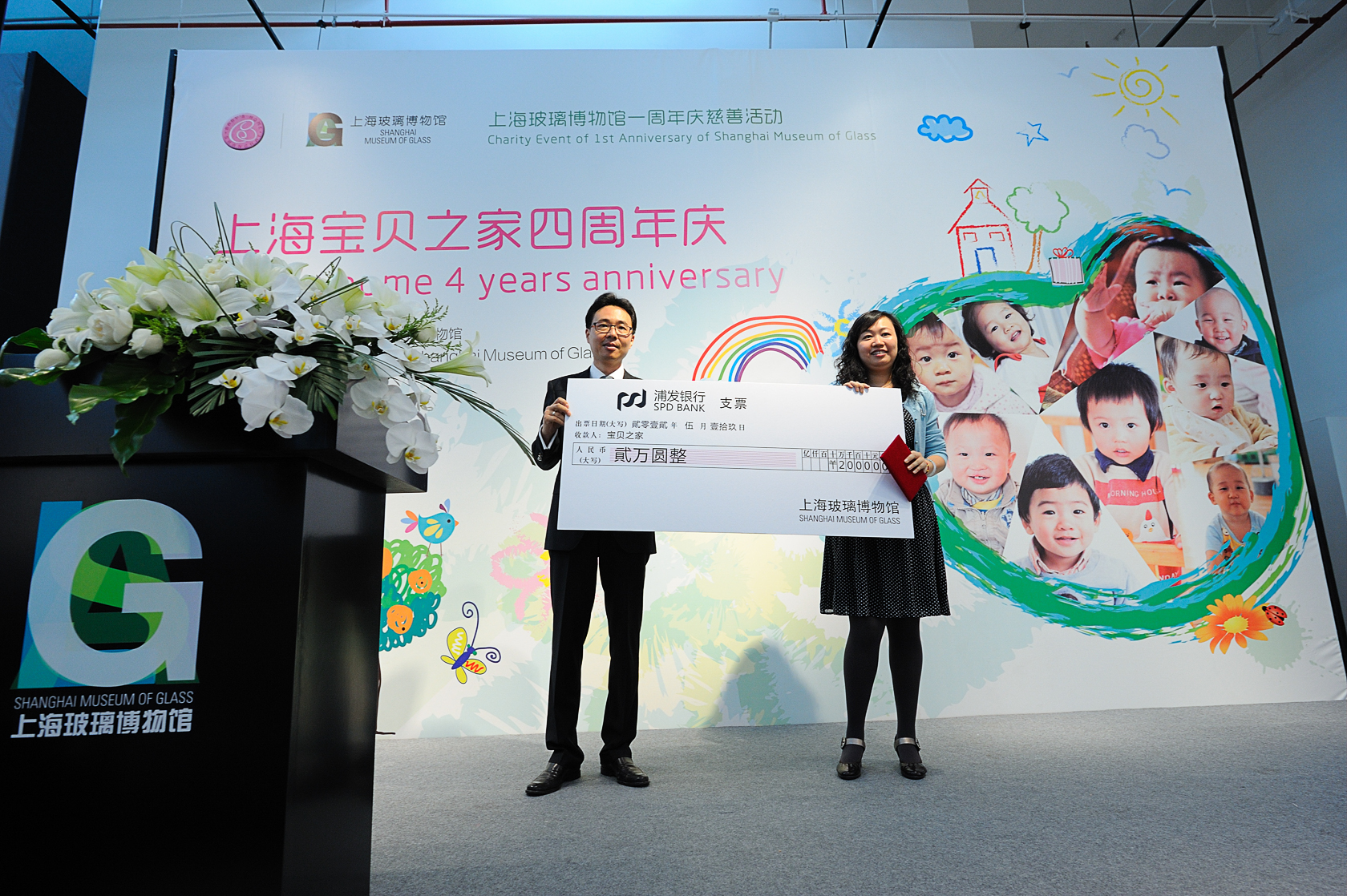
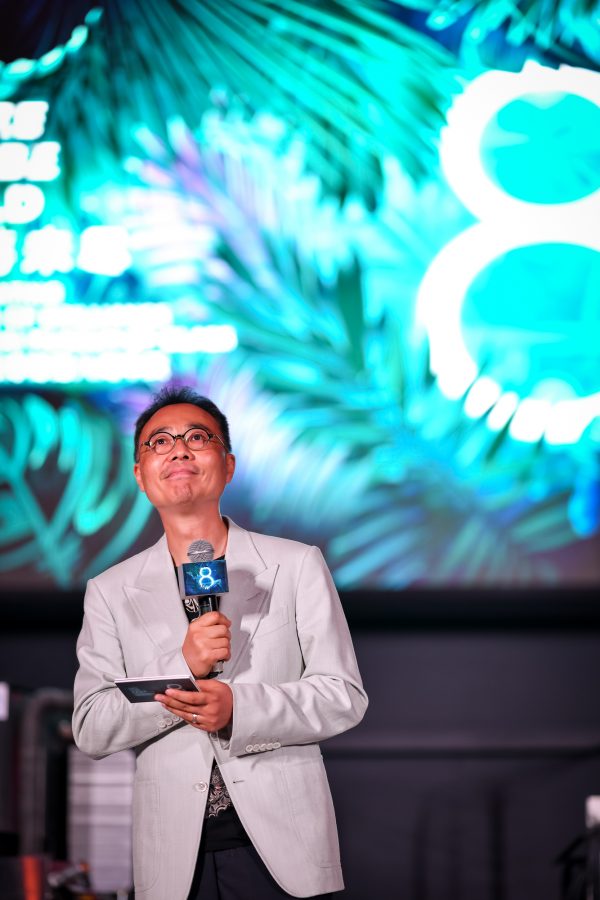
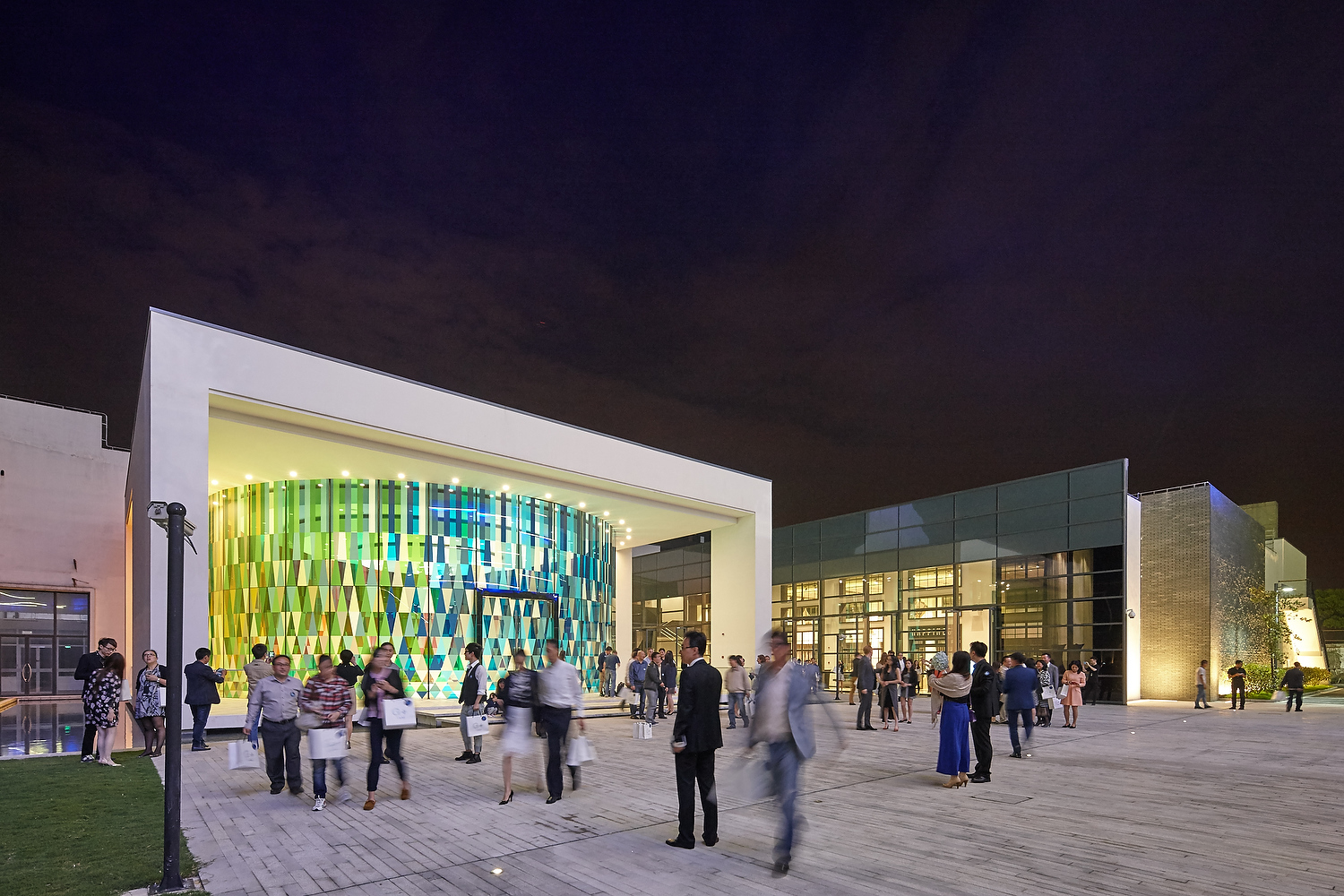
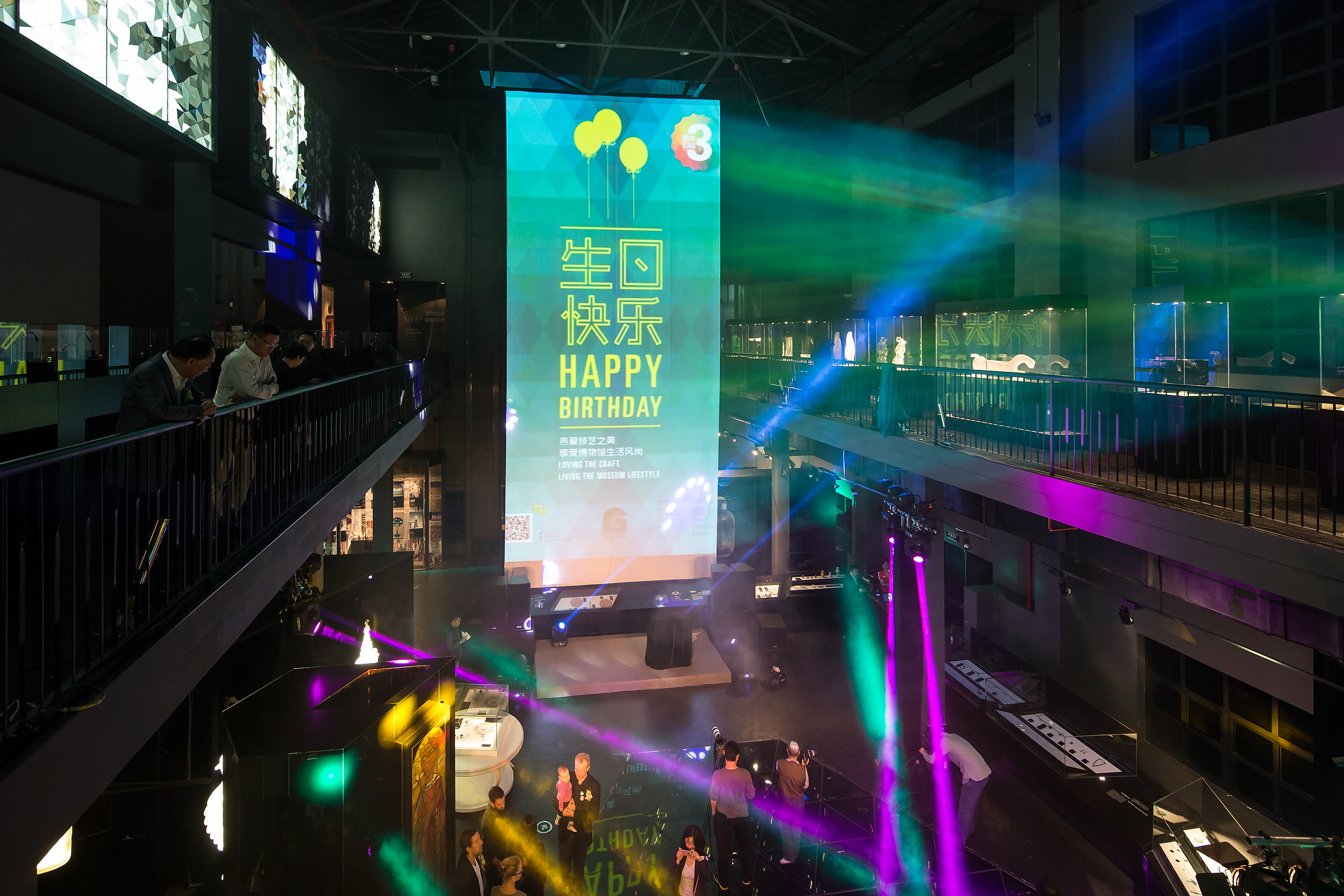
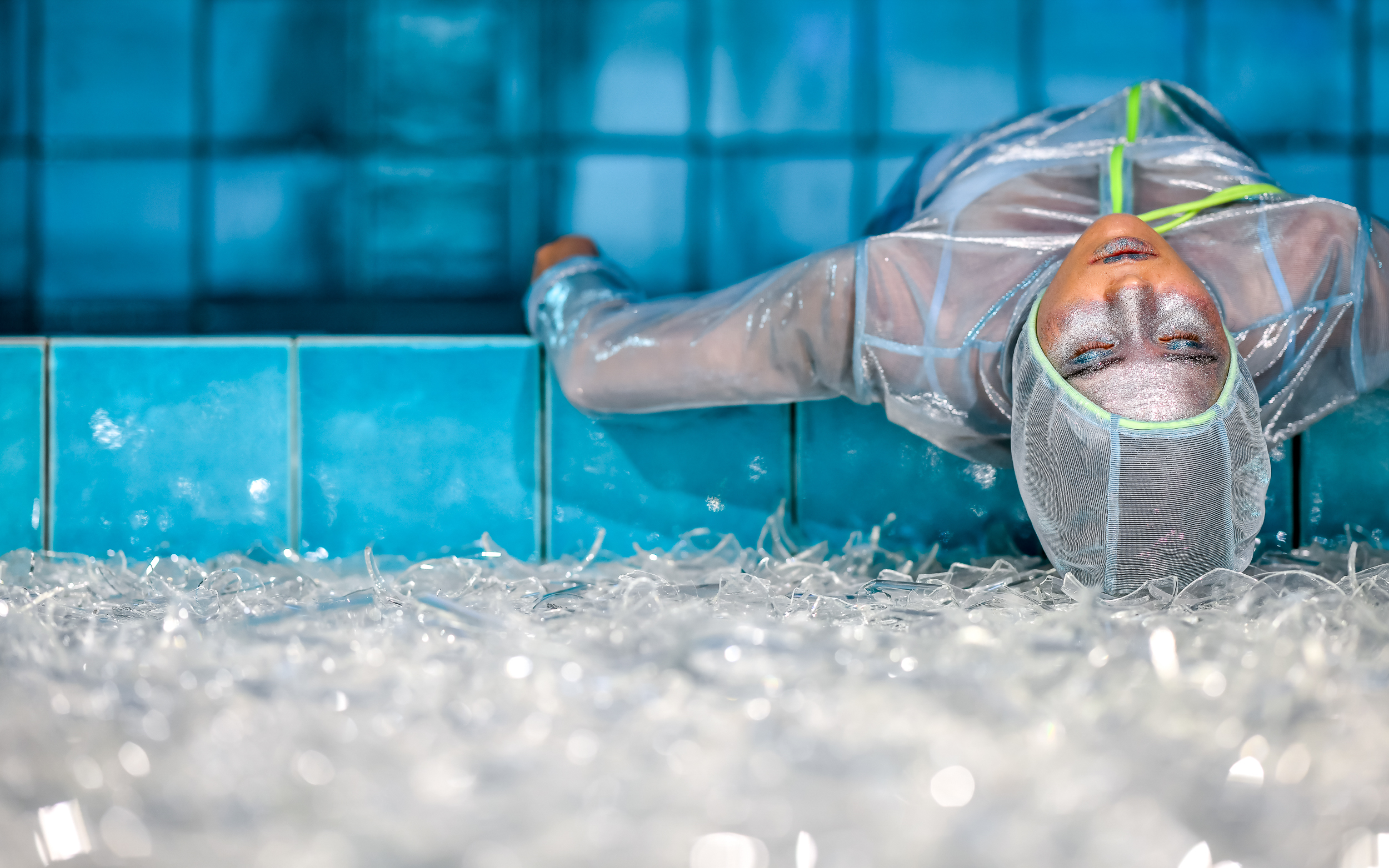
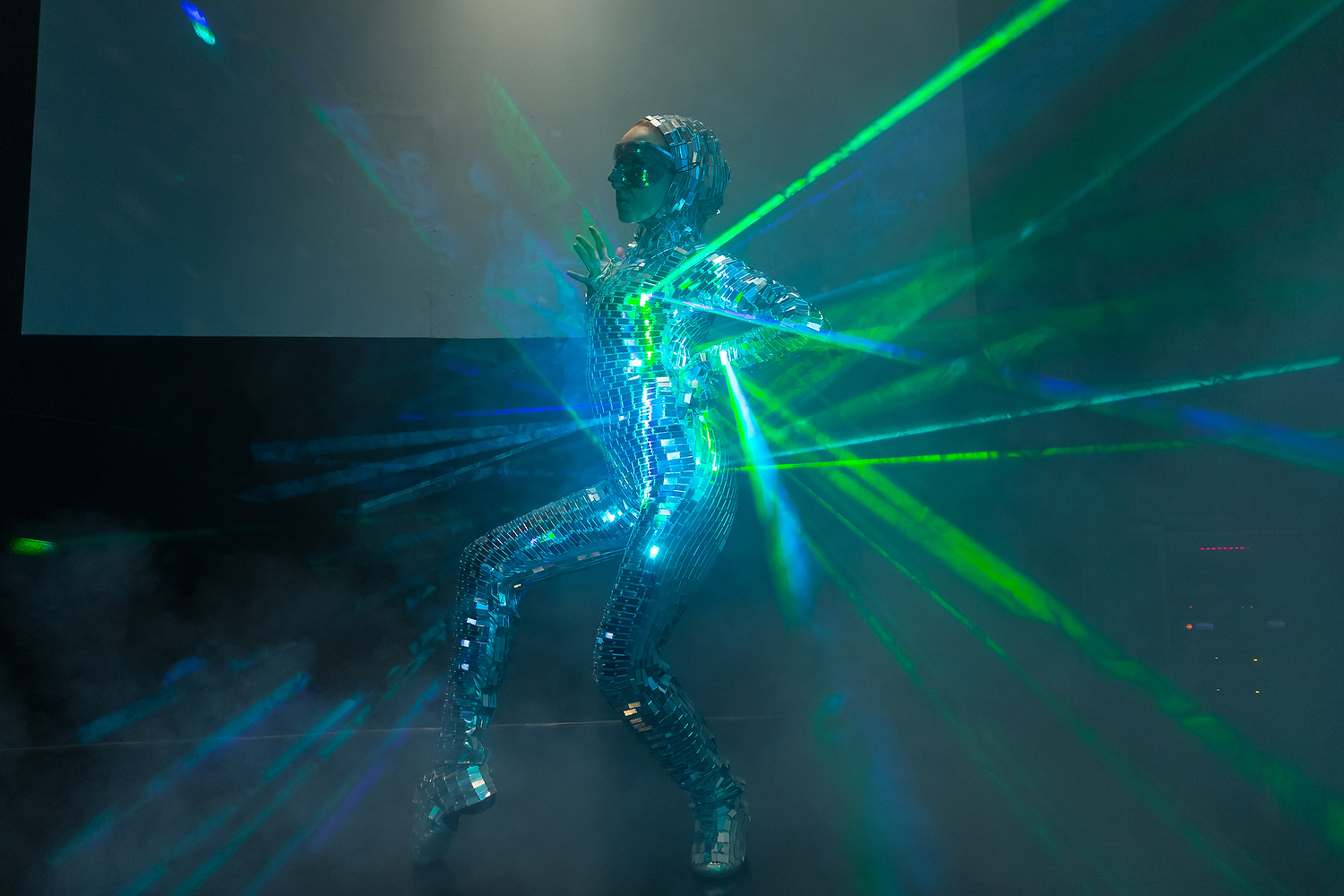
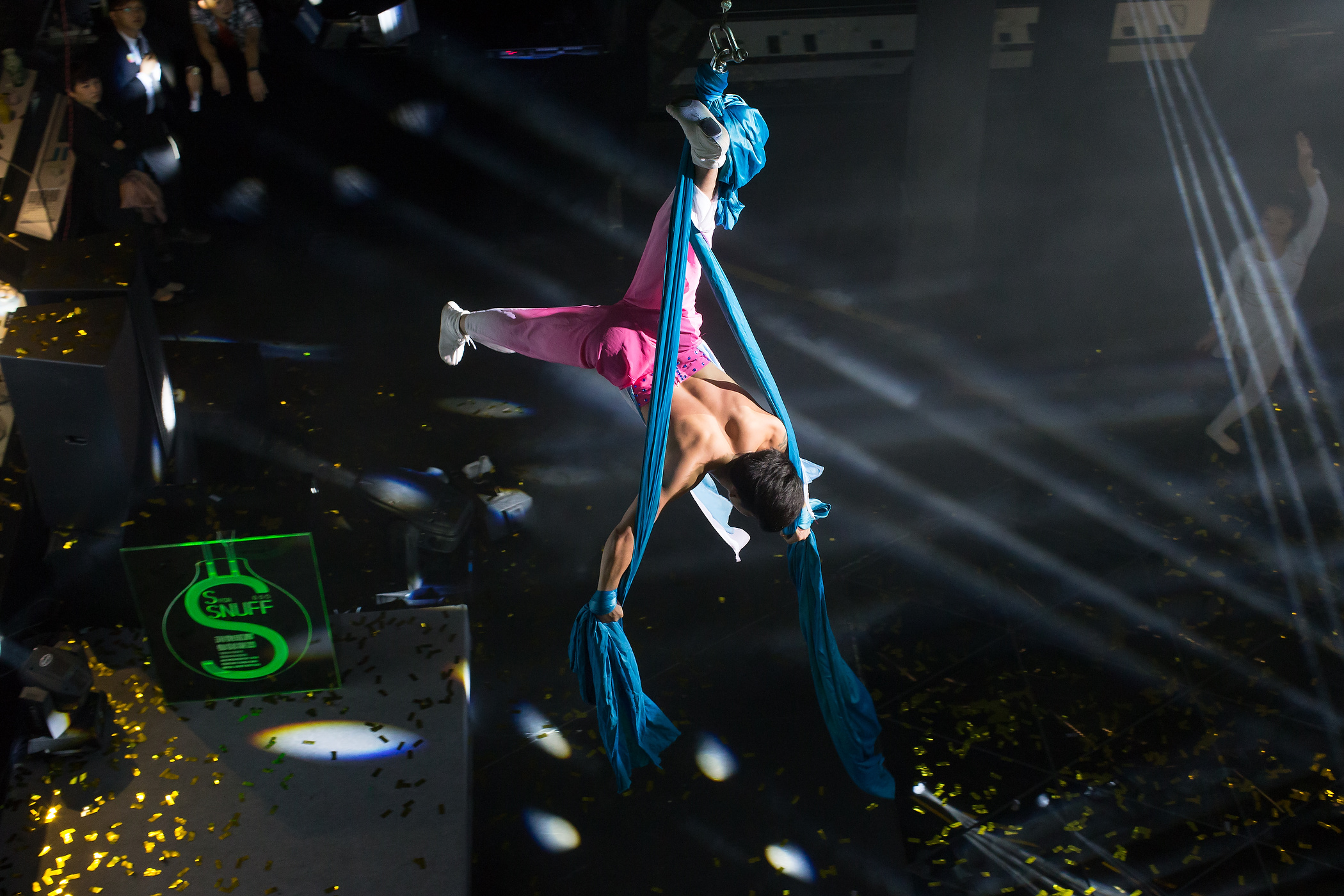

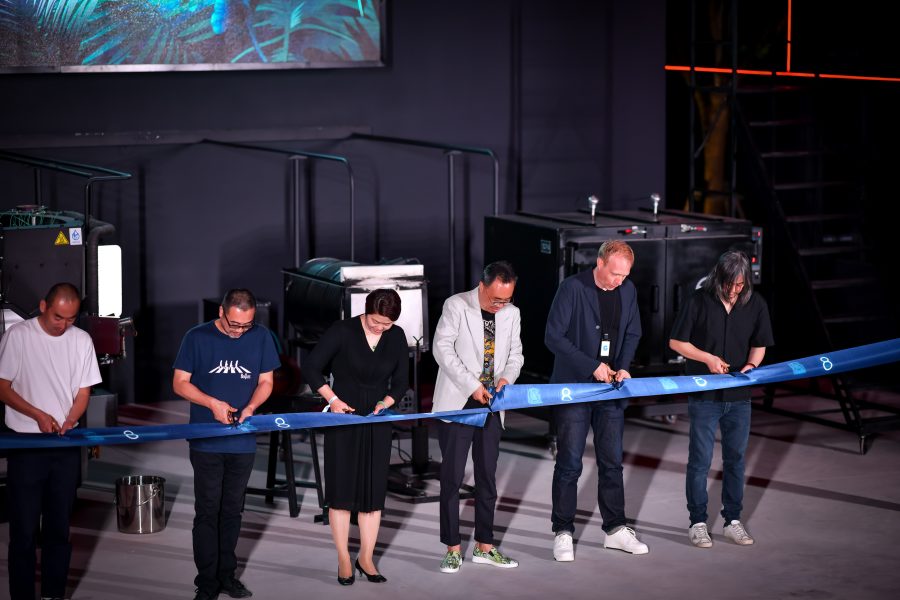
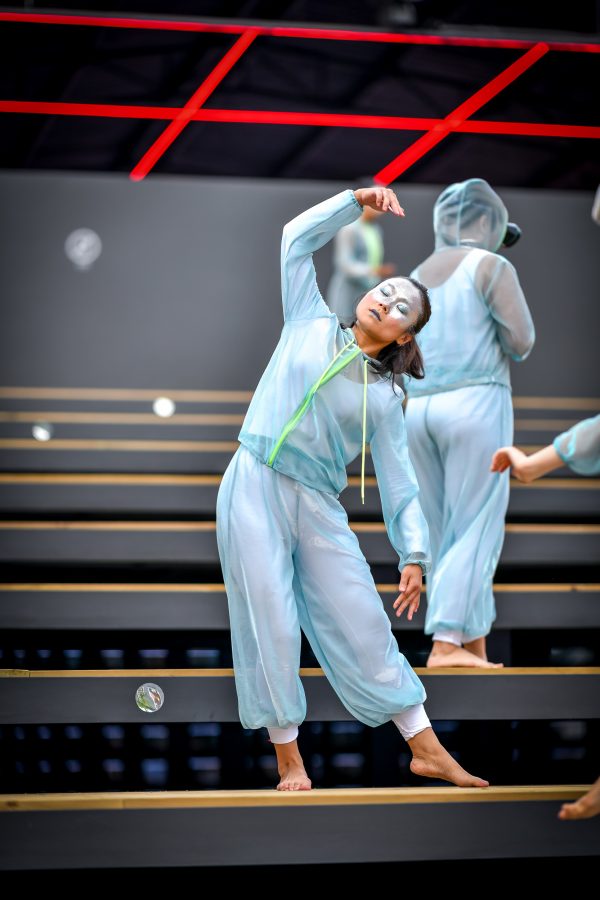

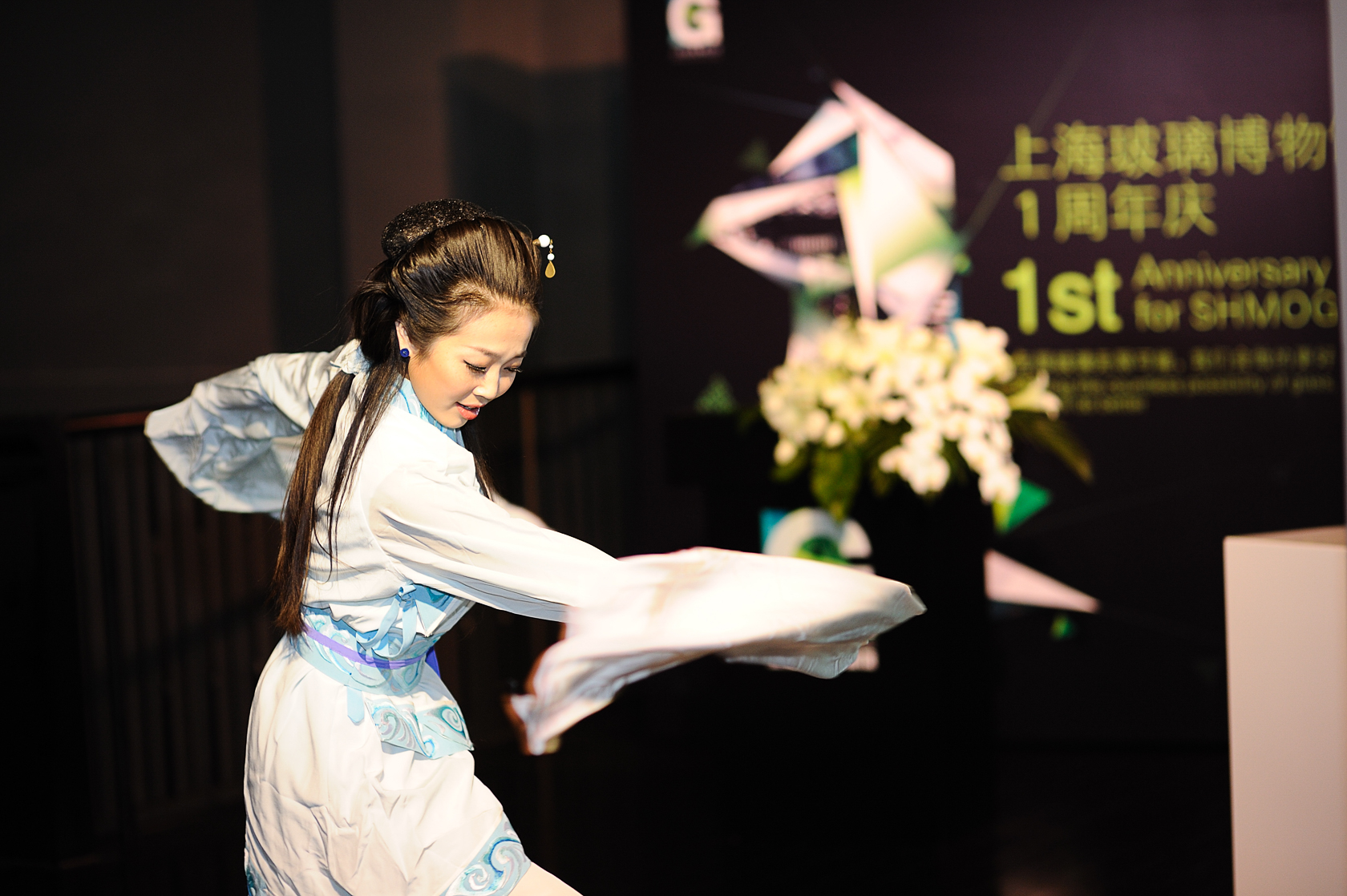
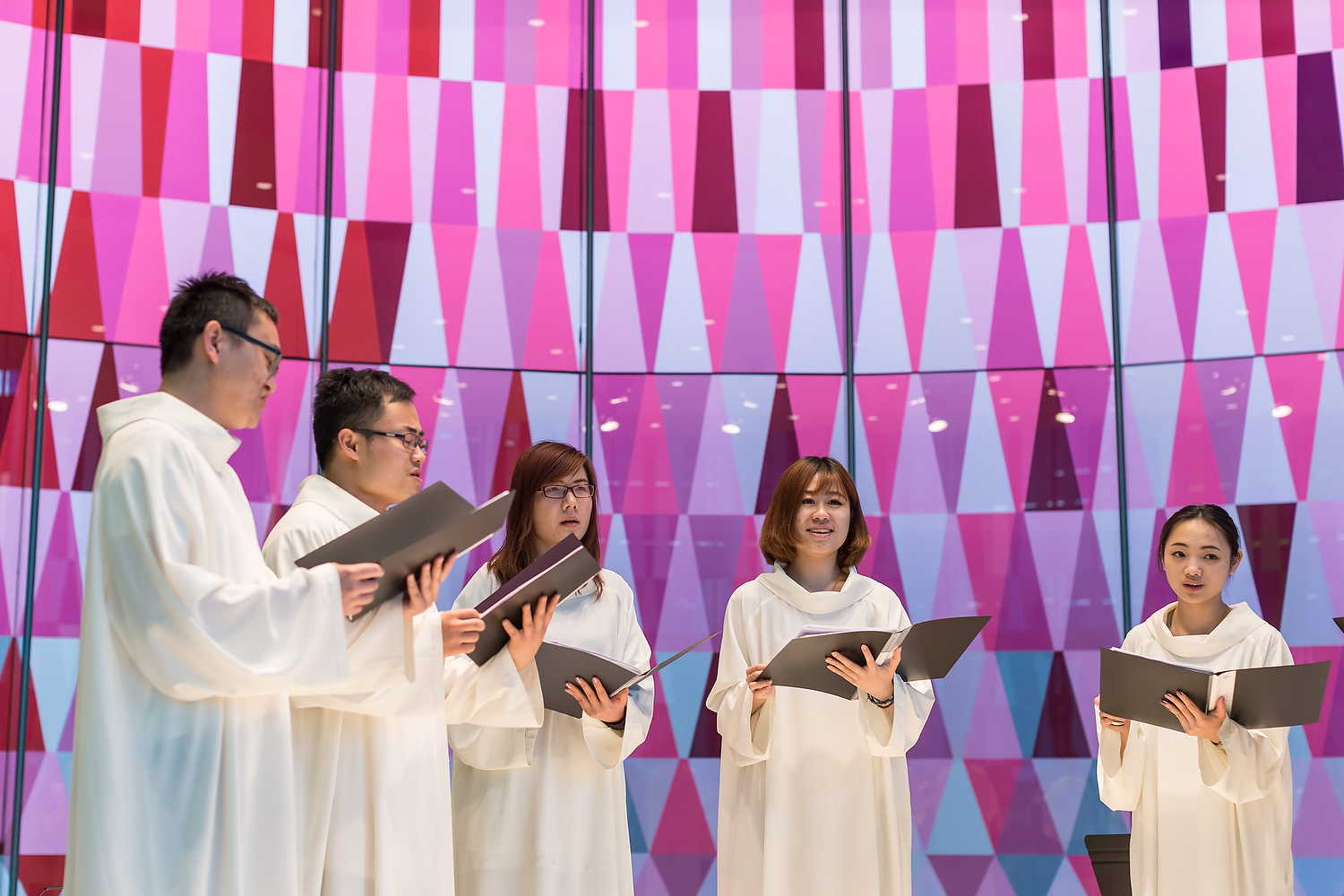
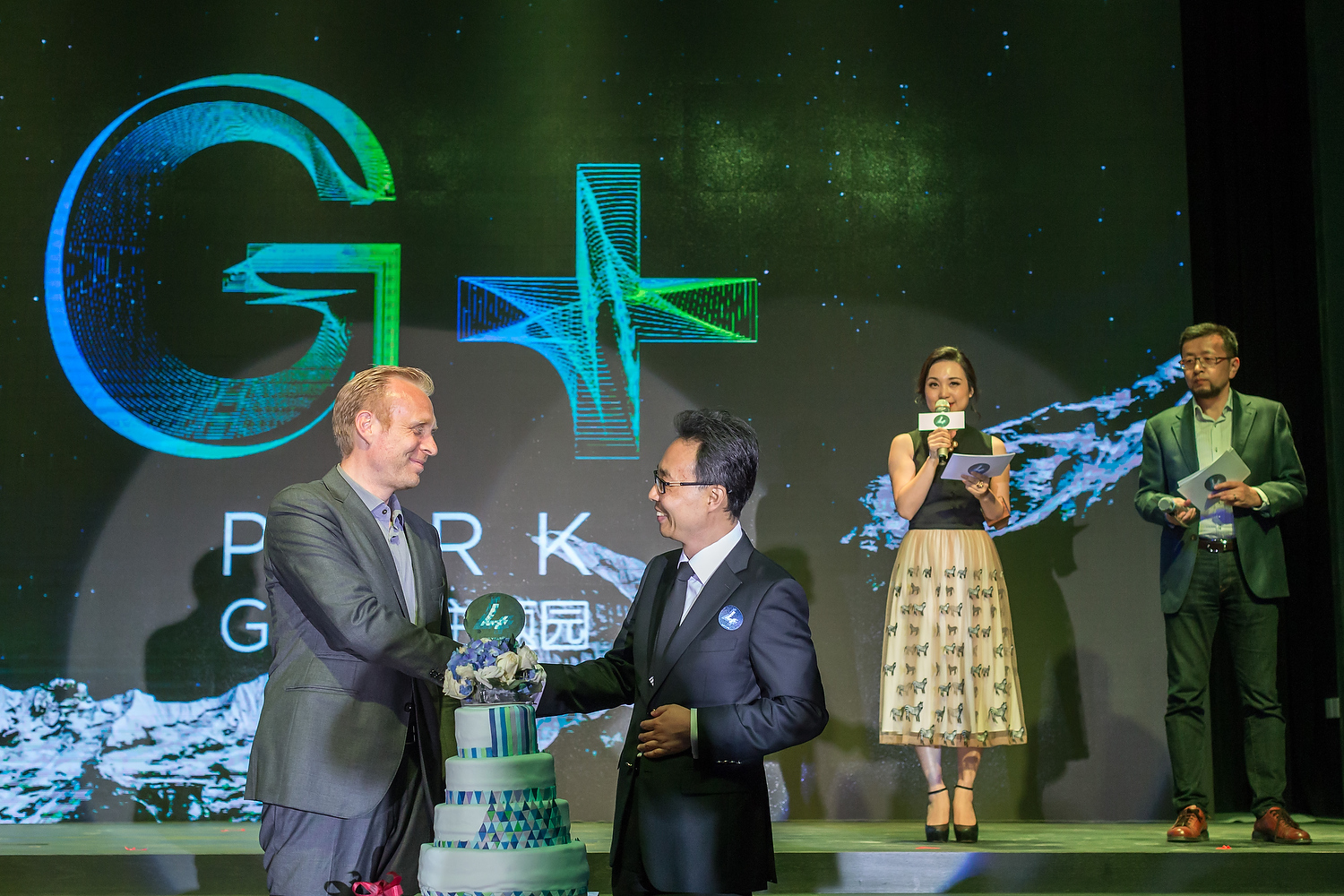
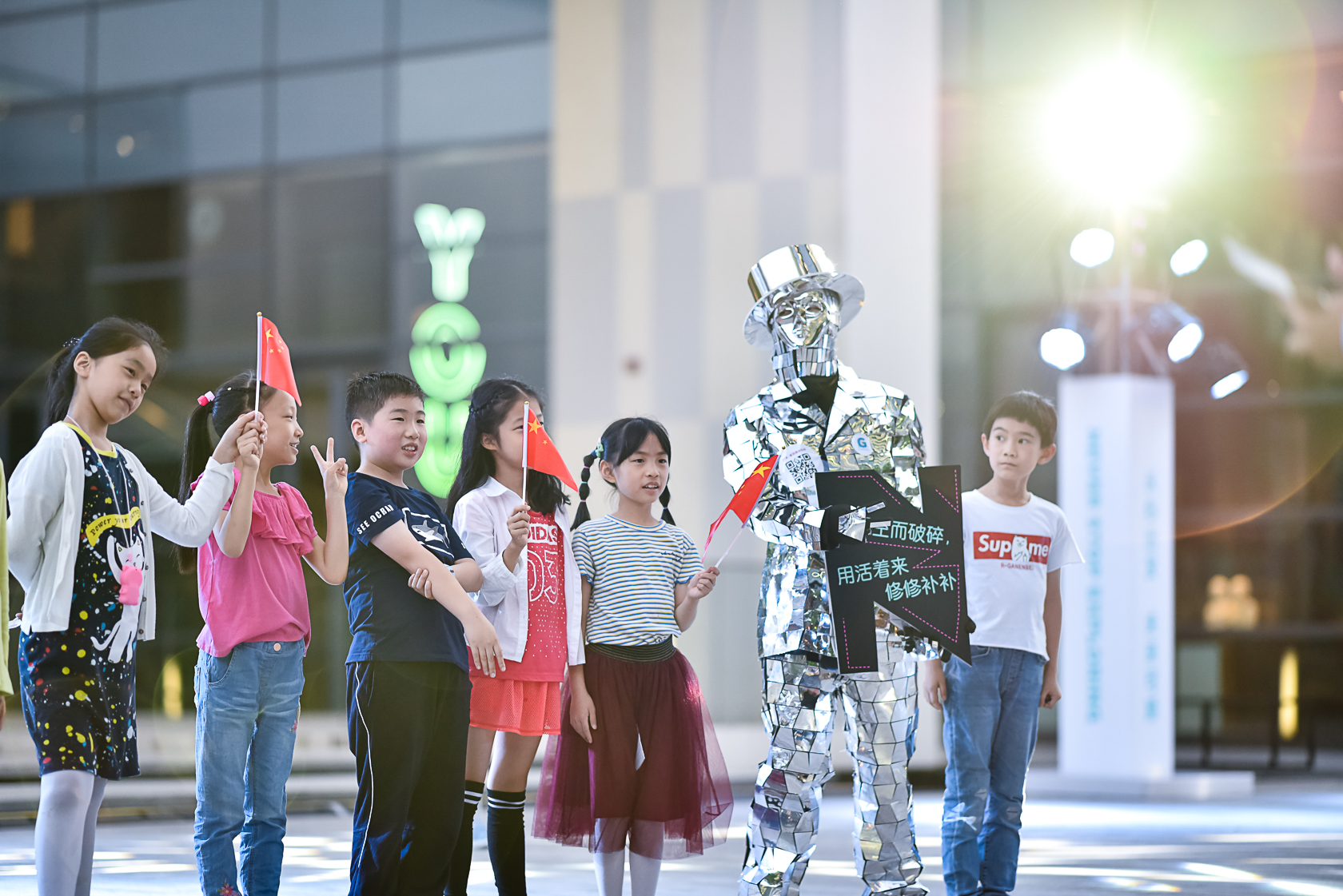

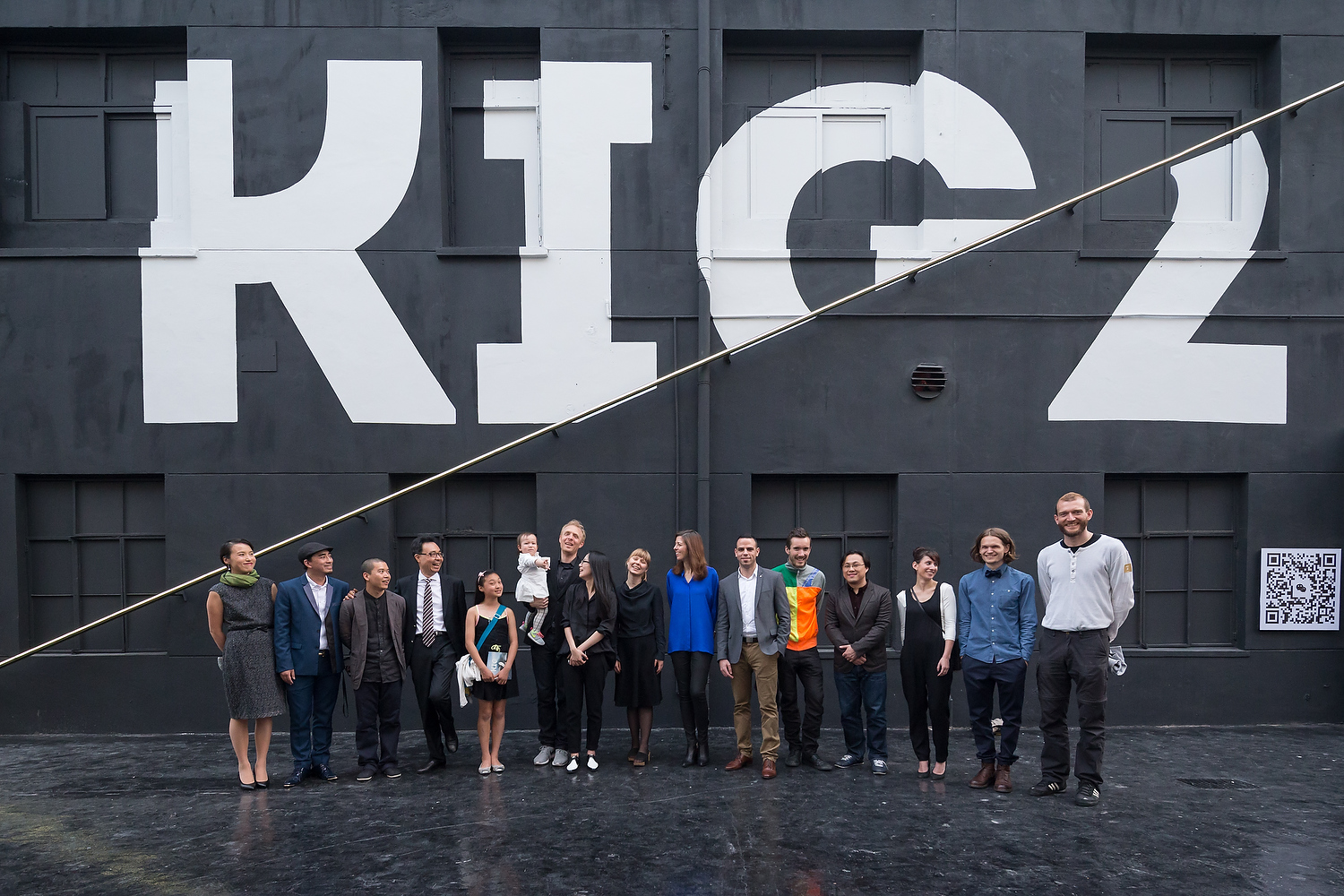
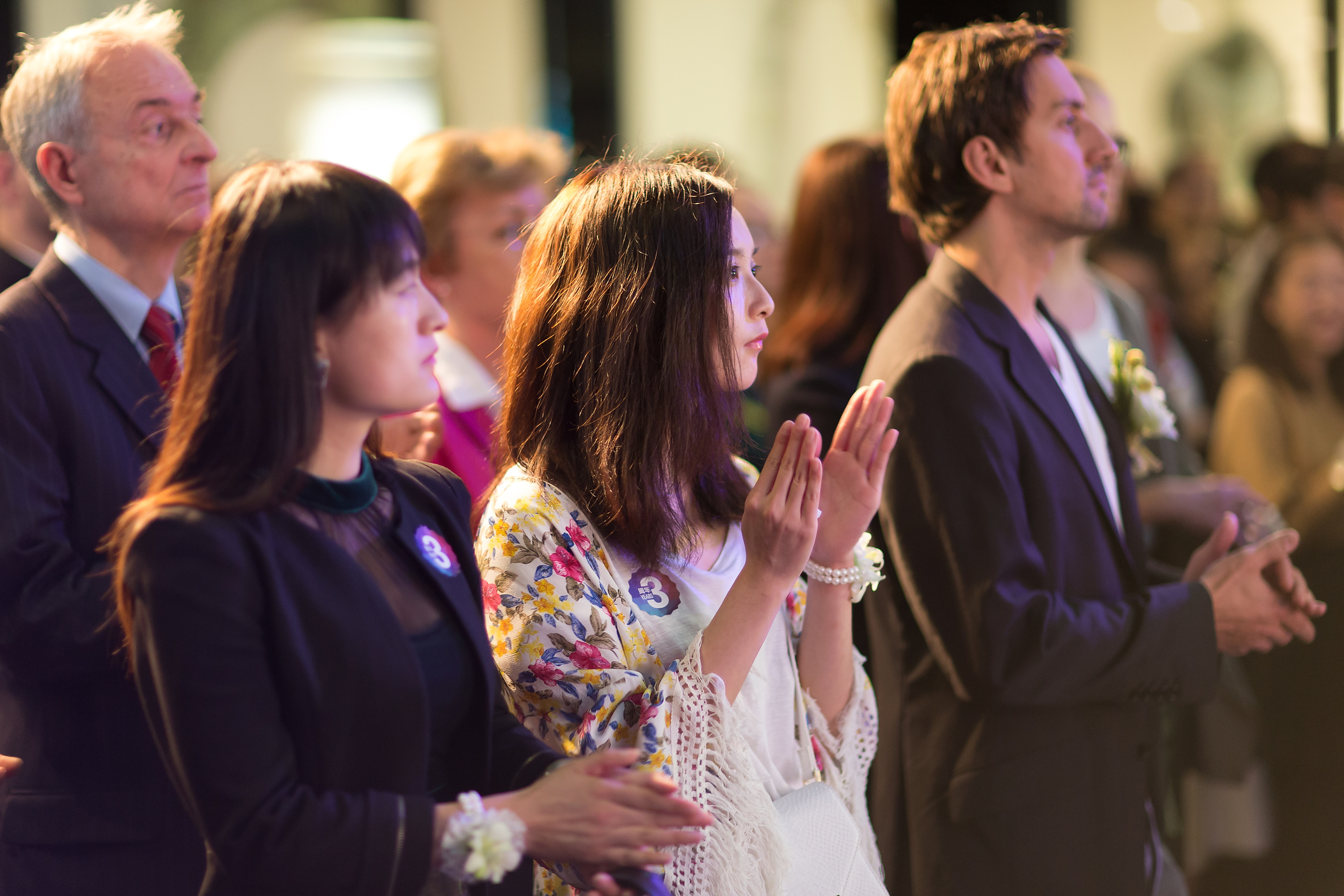
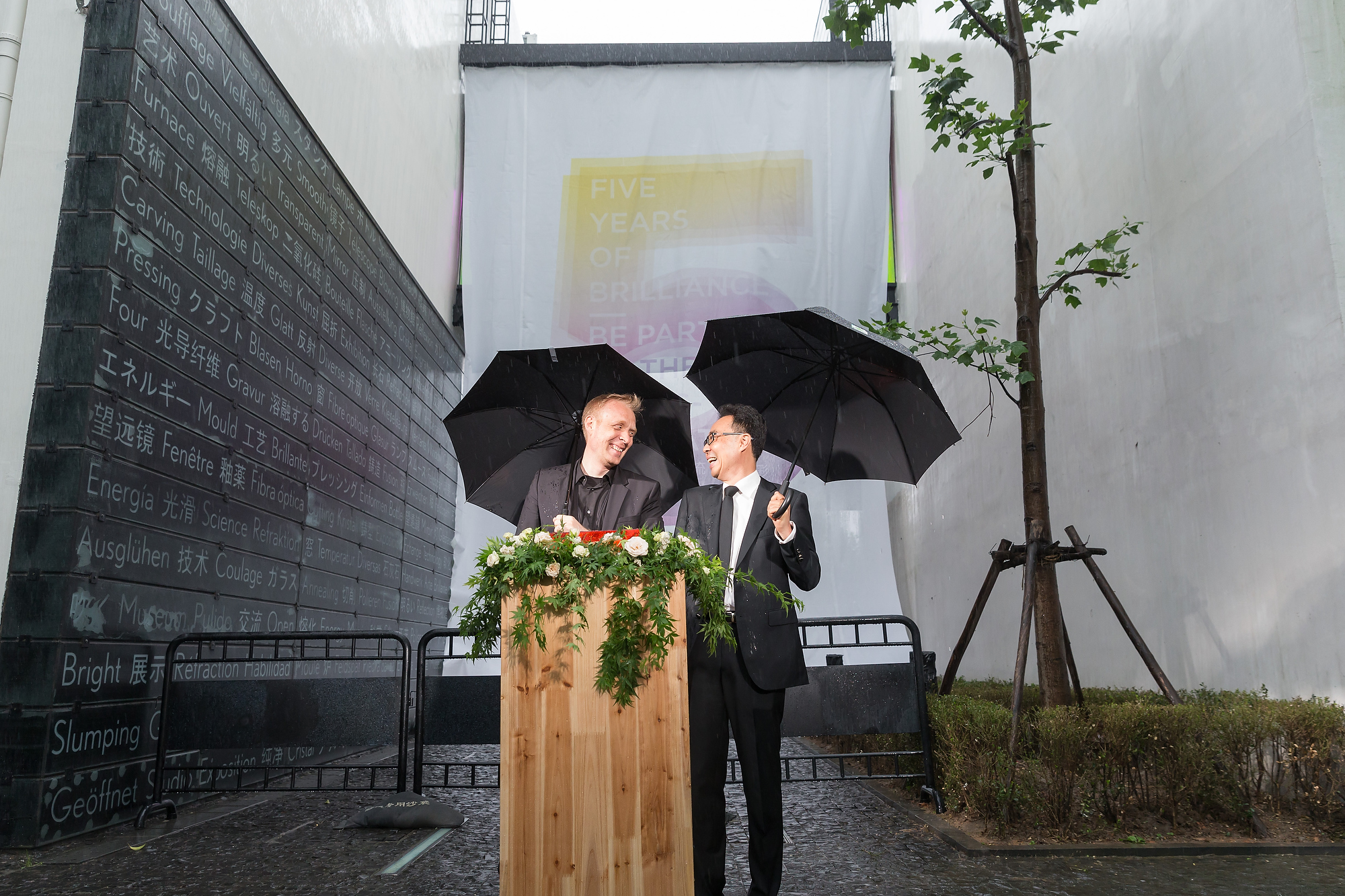
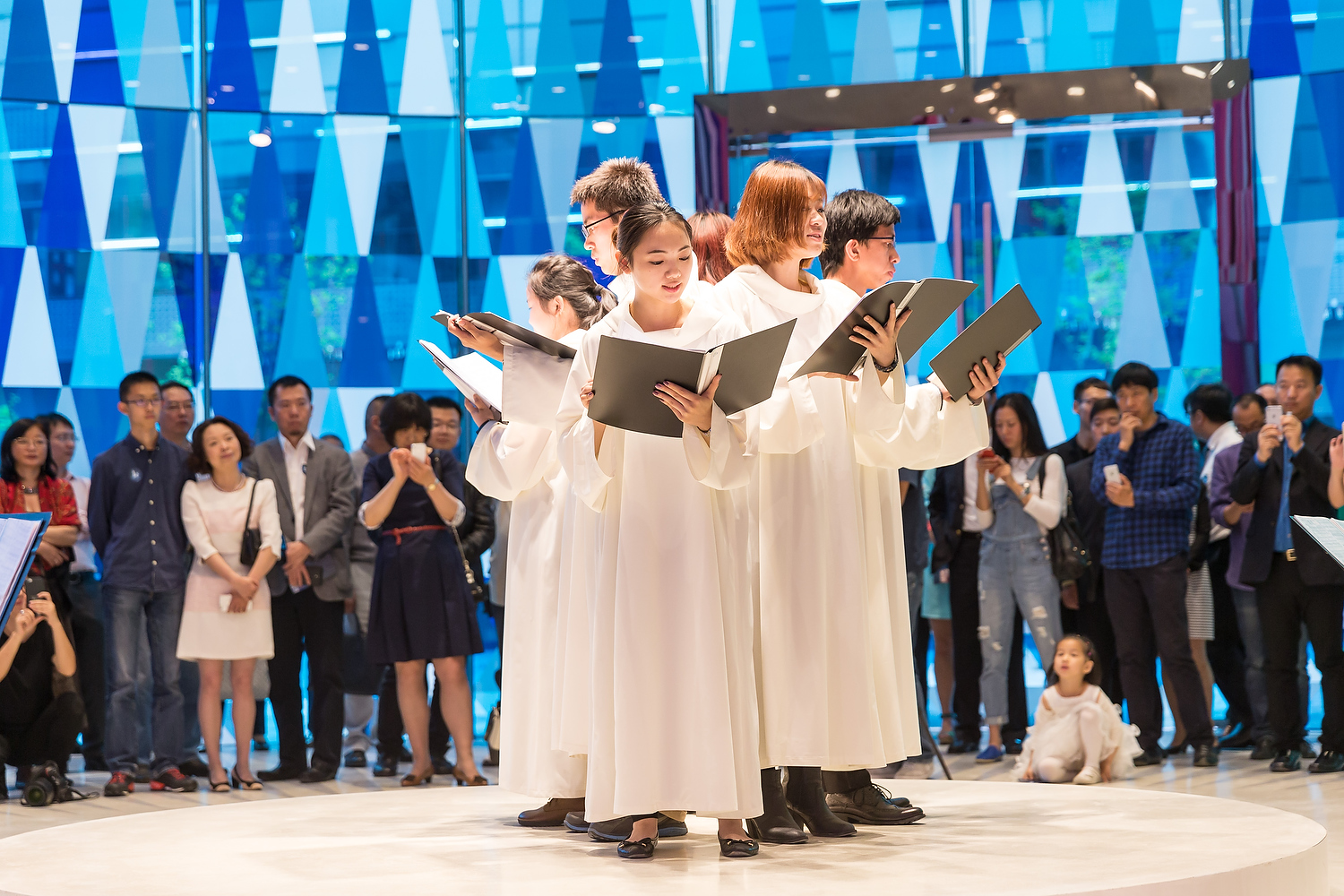
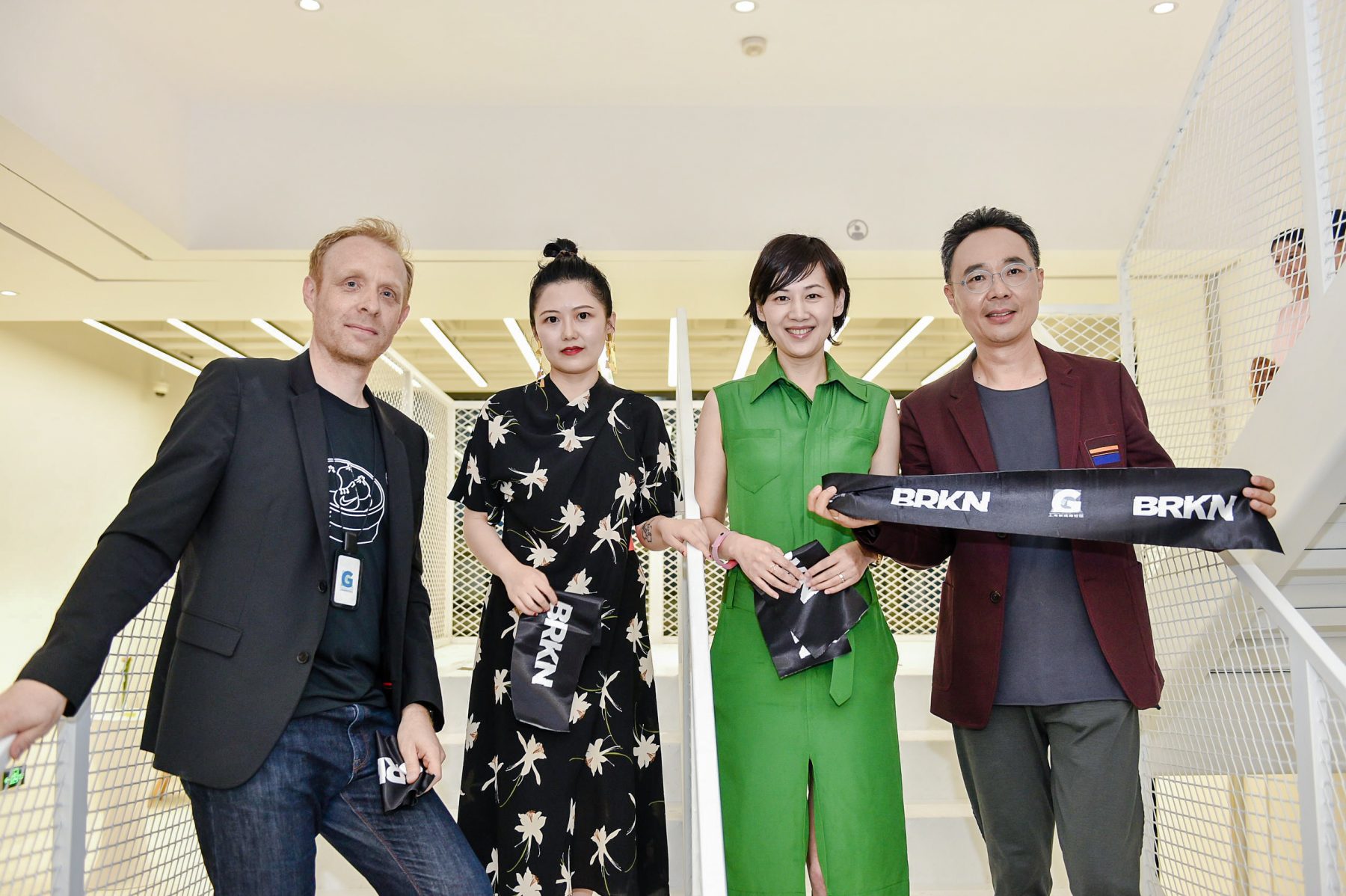
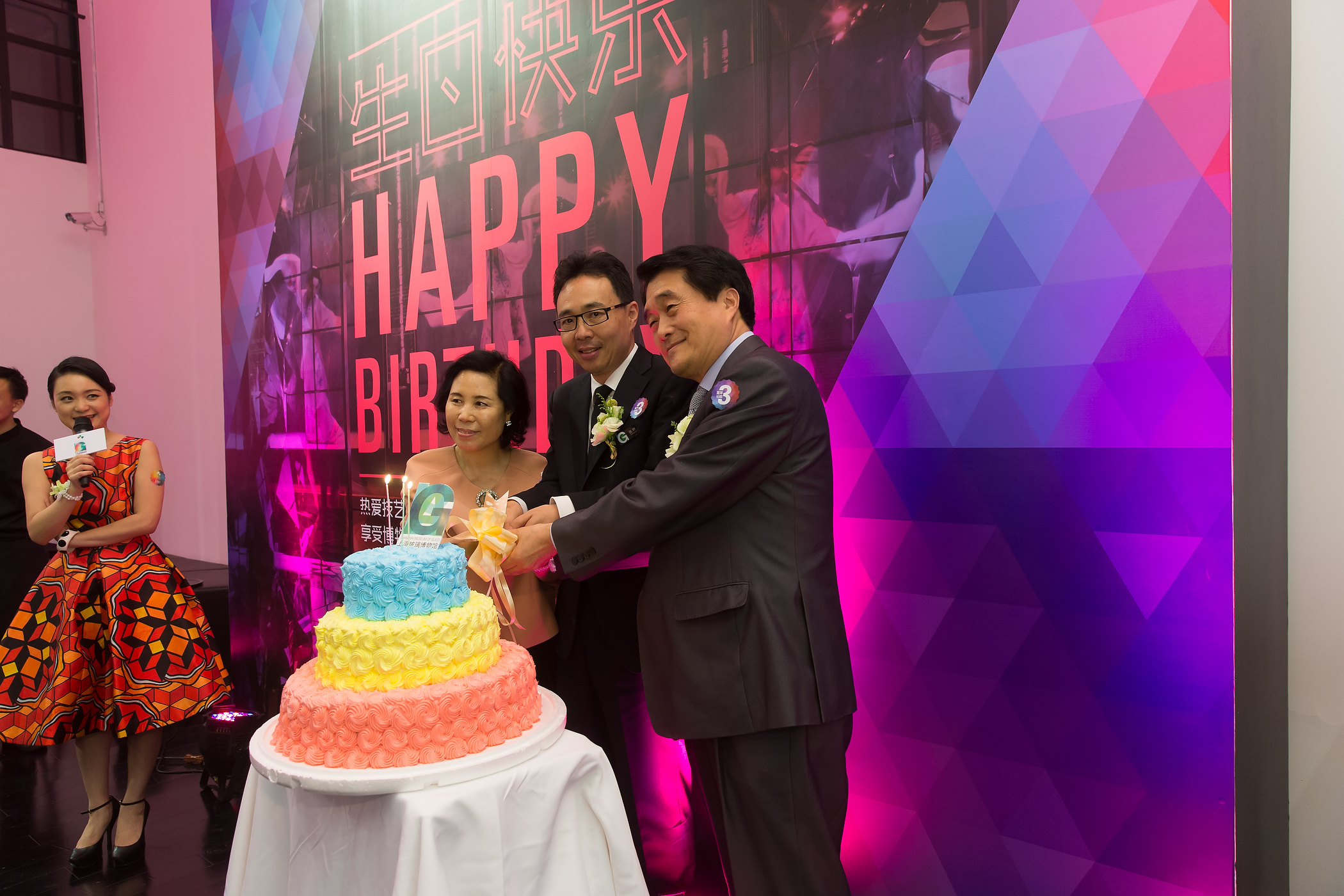
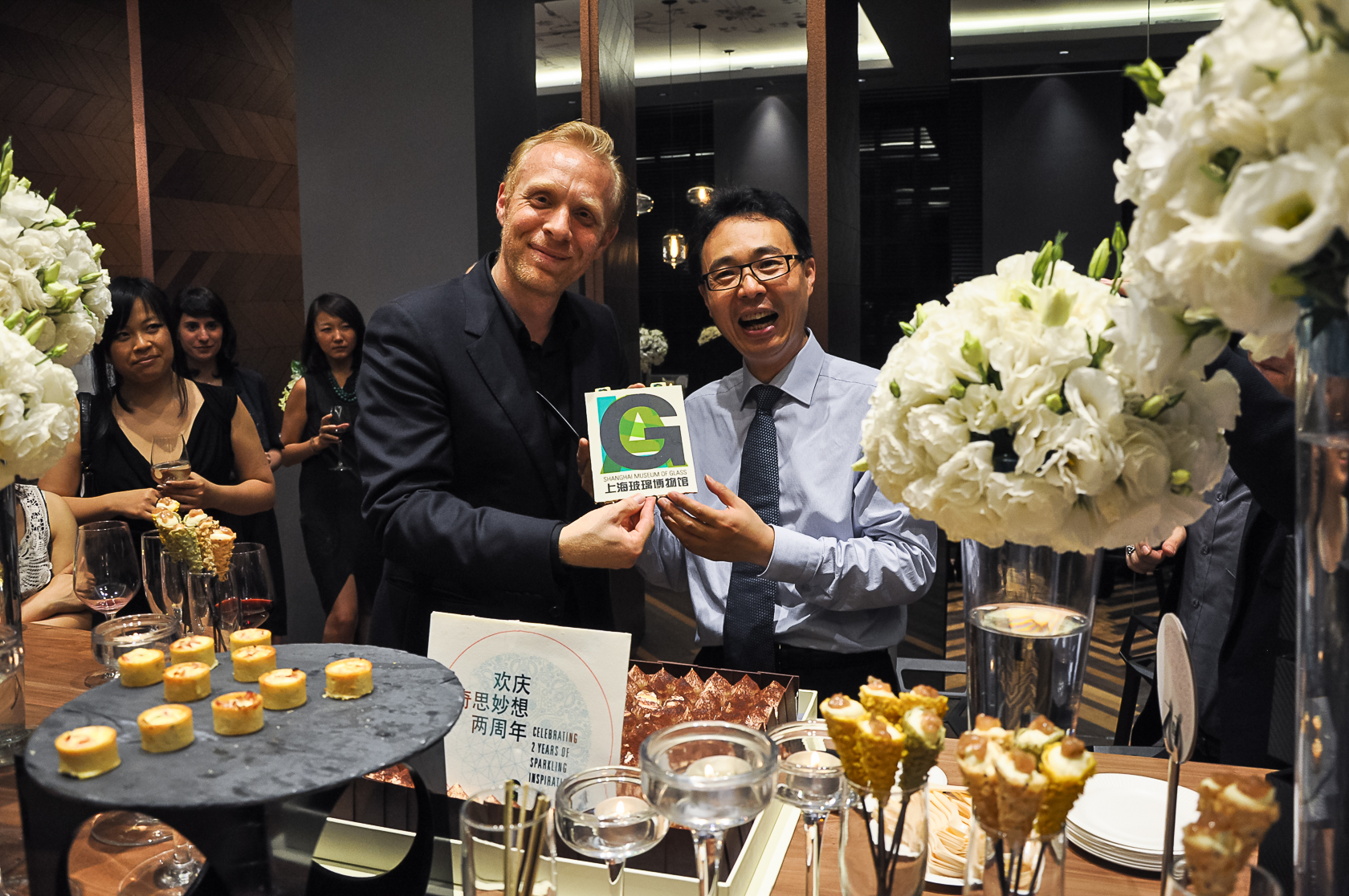
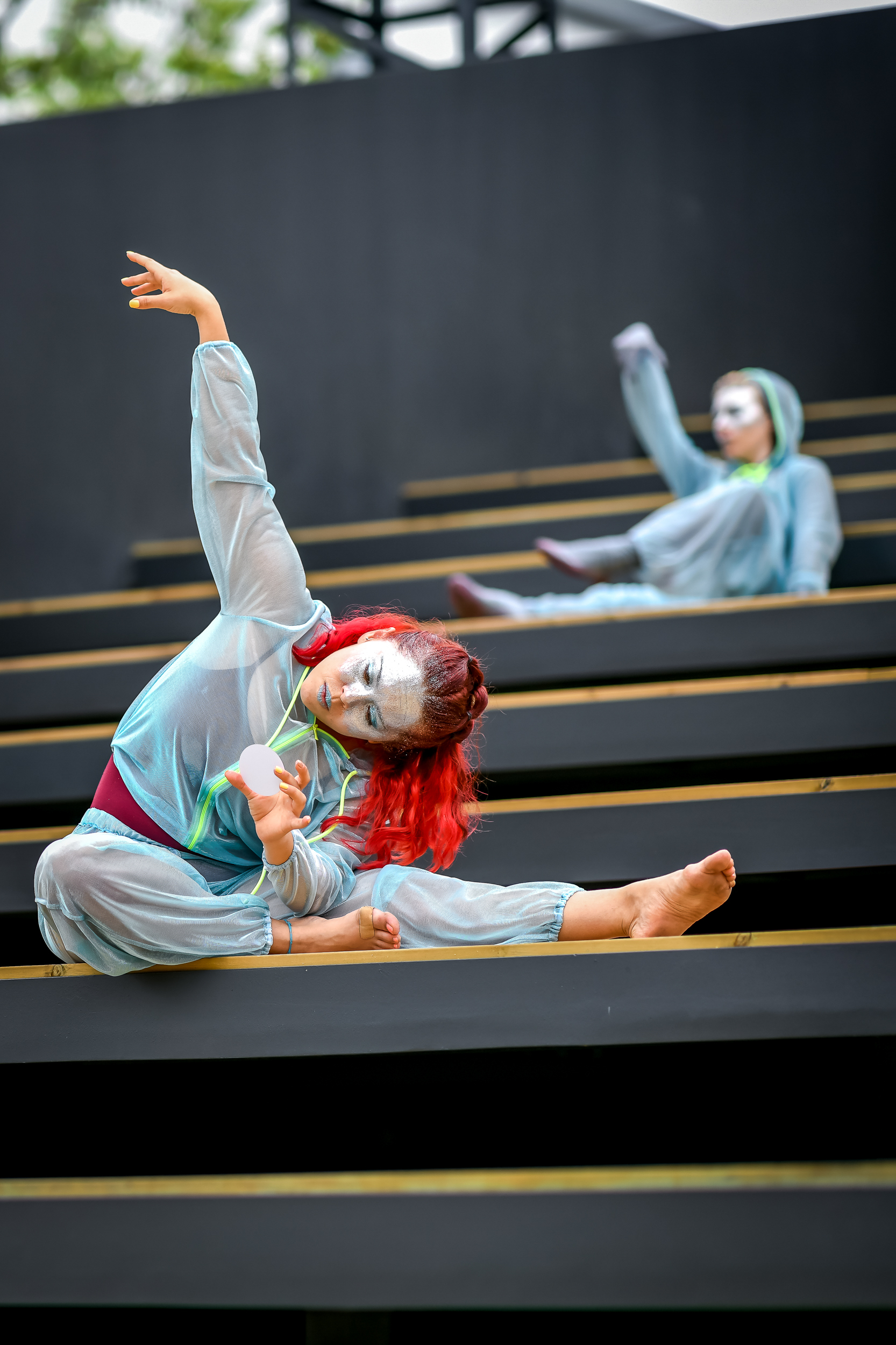
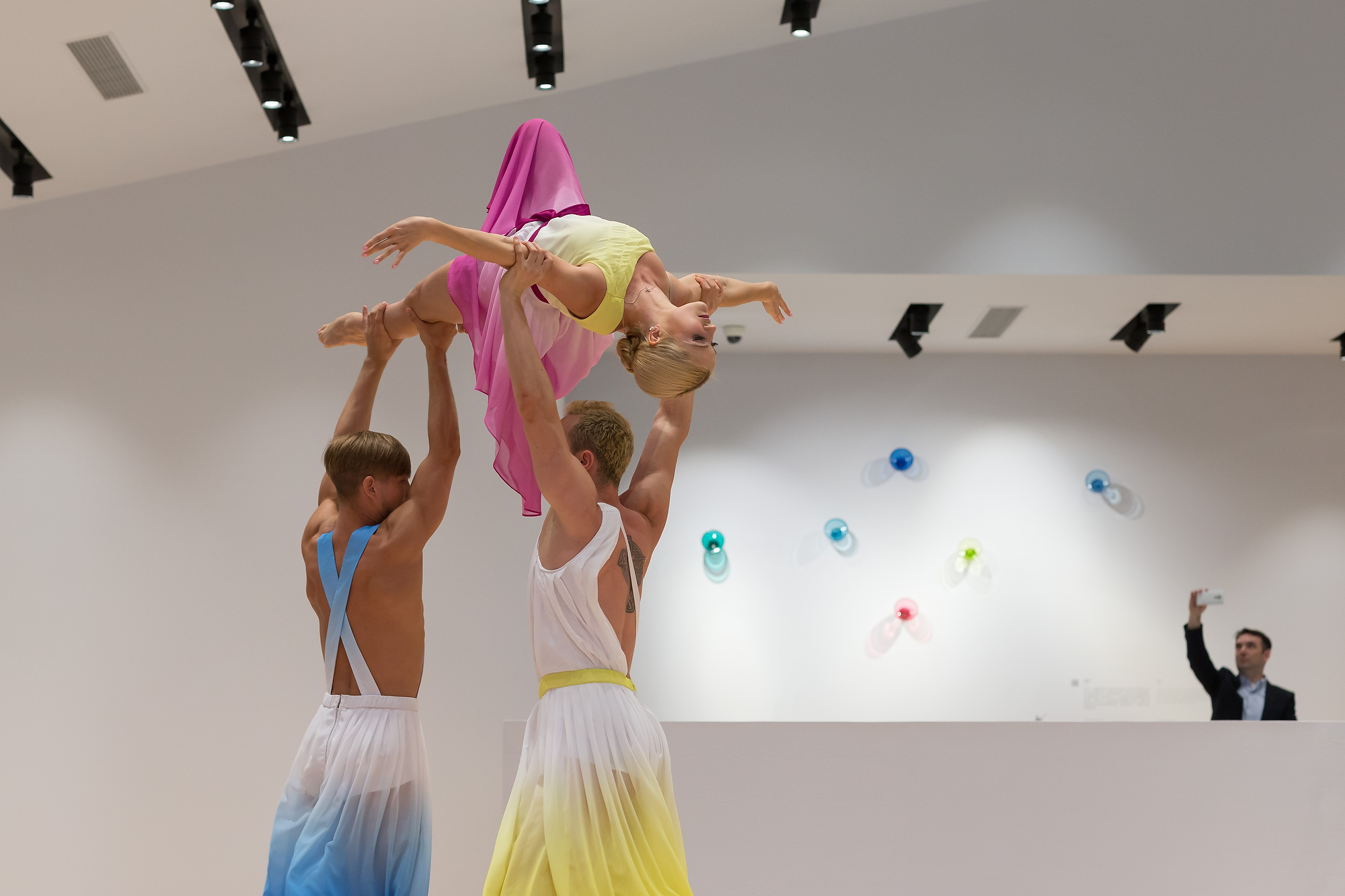
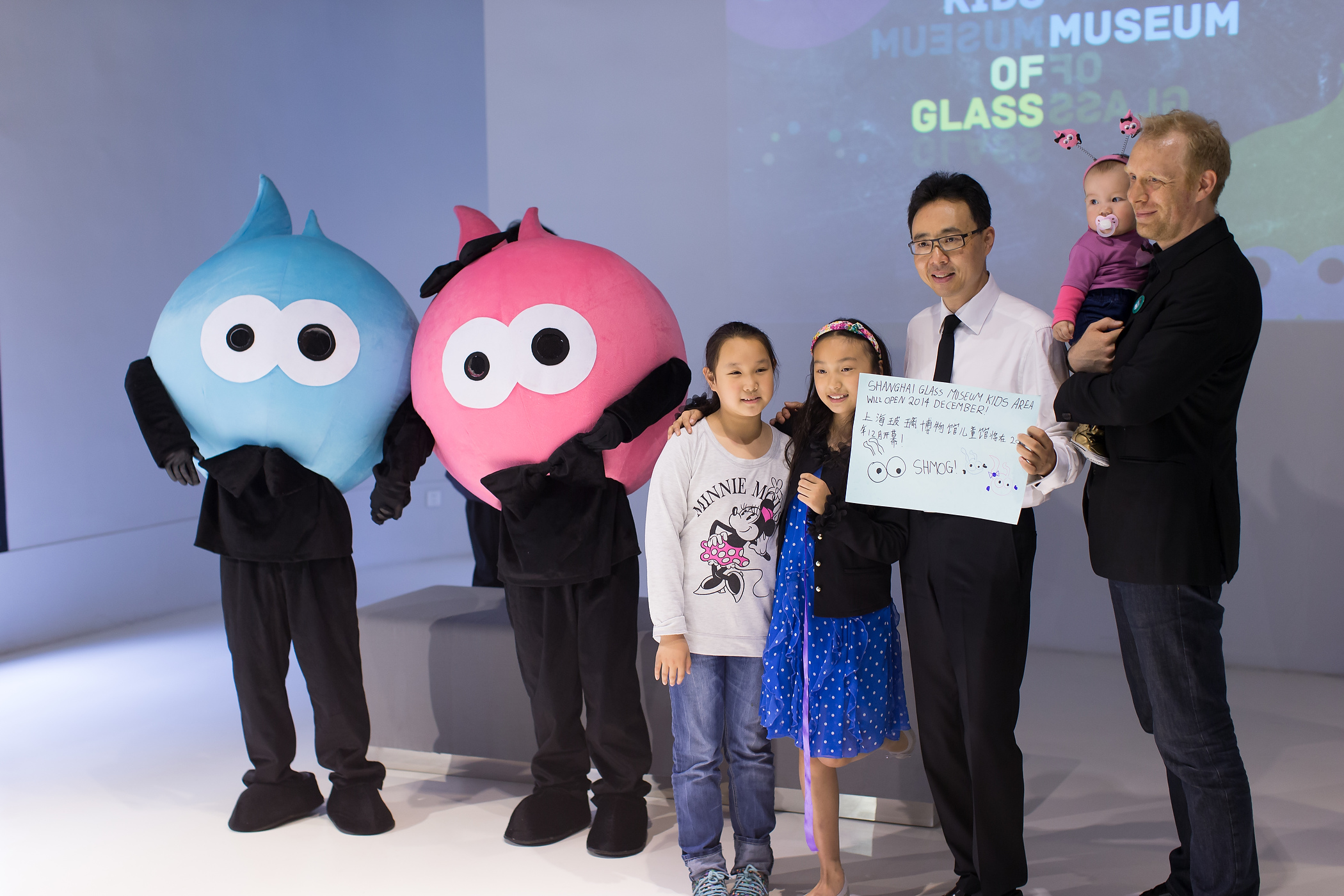
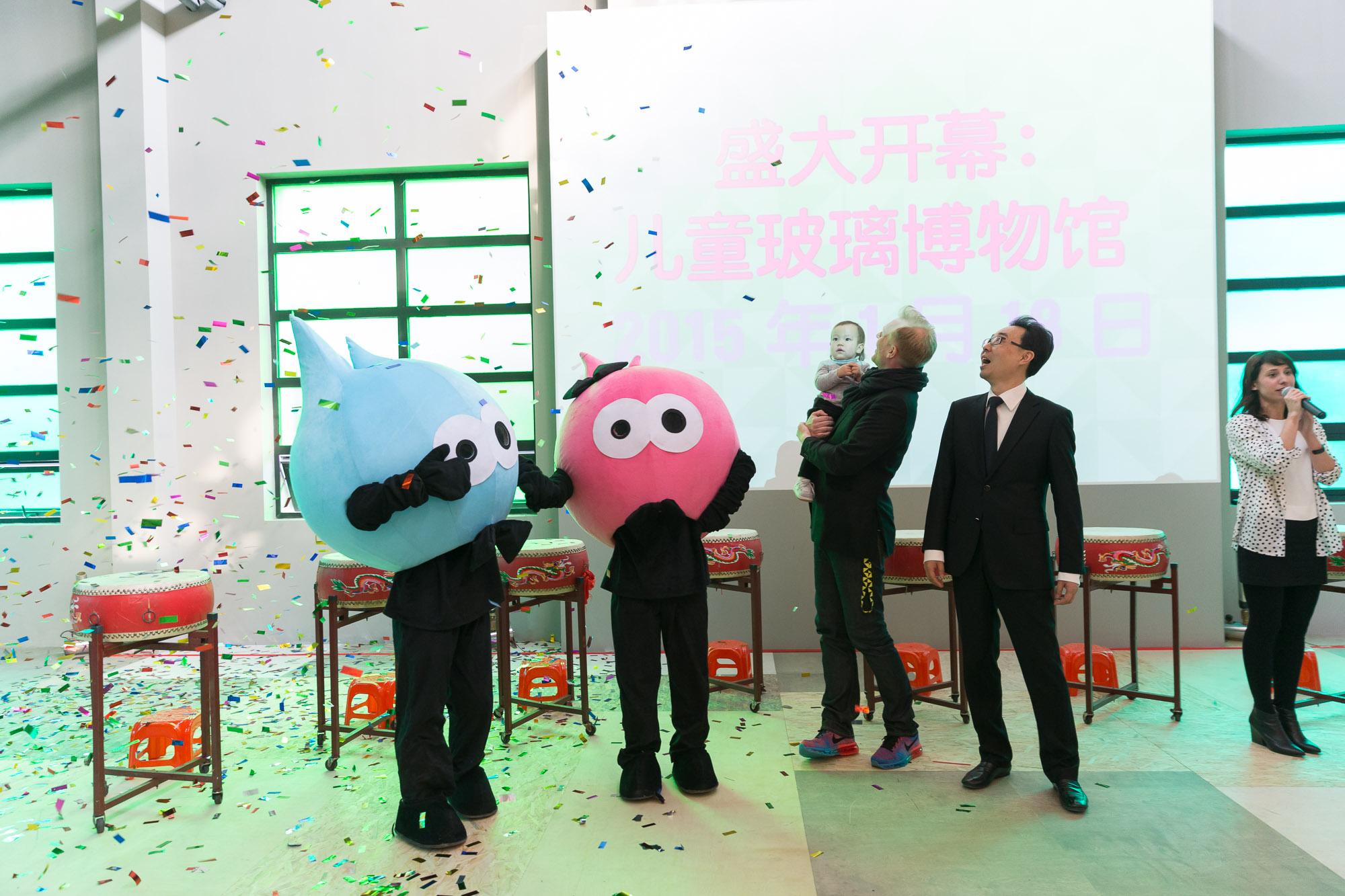

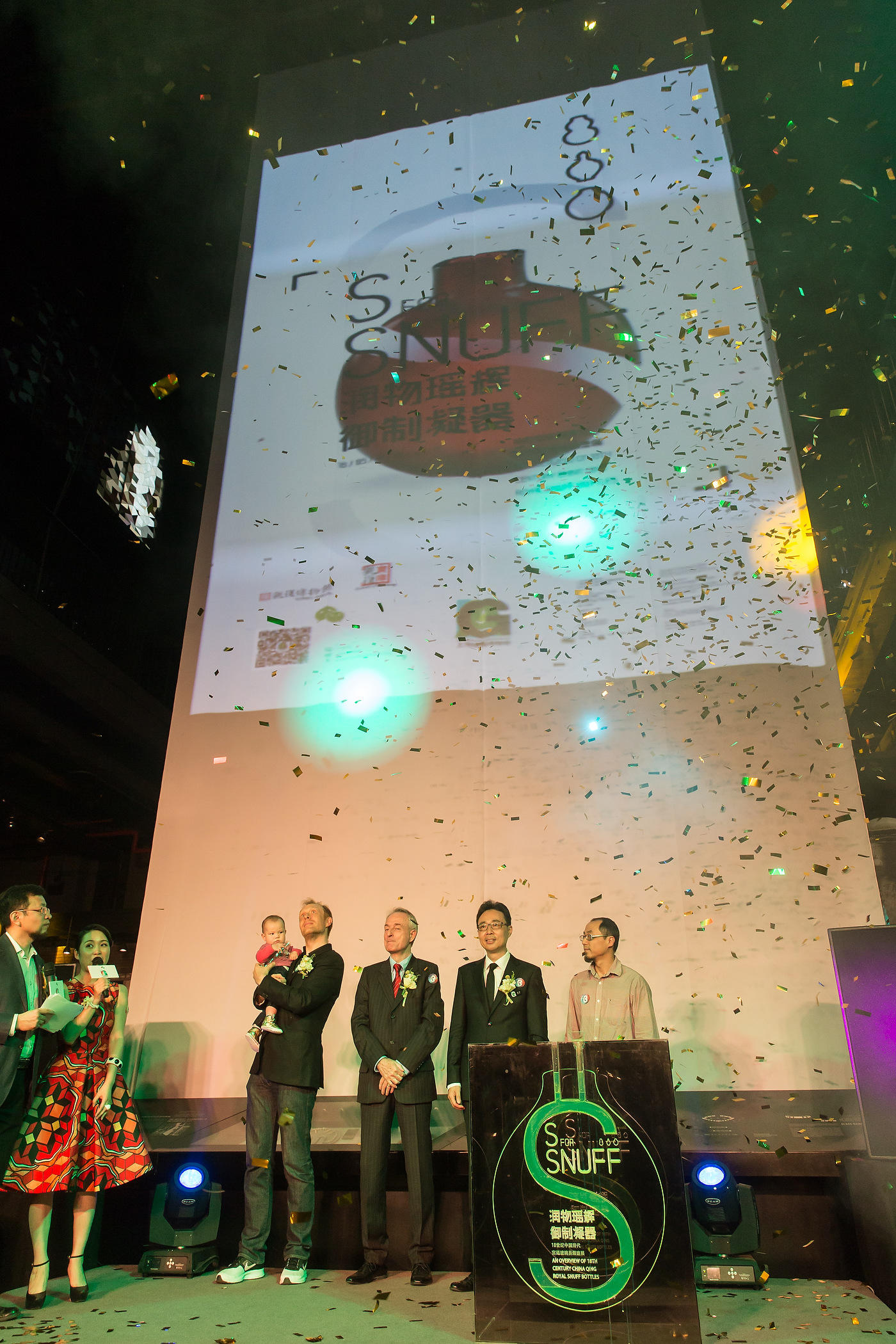
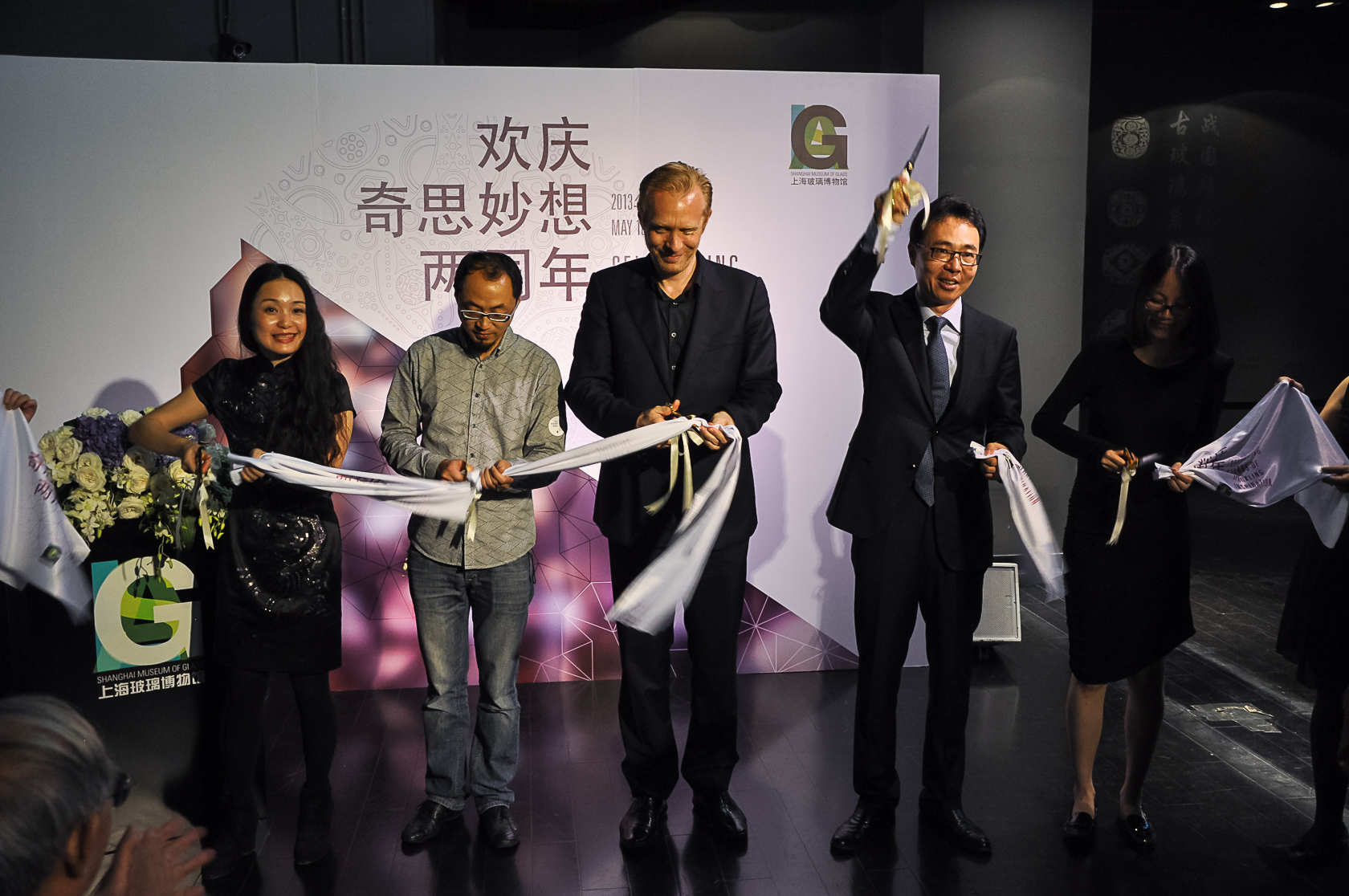
庆祝2011-现在
Celebrations 2011-now
共享社群化|文化产业的多元创造力
秉持“营造并共享博物馆美学新生活”的理念,上海玻璃博物馆以玻璃为艺术主体、上海玻璃博物馆为艺术核心,首创了全新、多功能化的上海玻璃博物馆园区。一方面,以多元、开放的建筑群落和功能单元,多层次、多角度地诠释、更新、丰富、分享玻璃的物质和精神形态;另一方面,以玻璃为媒介,探索、发现、创新并延伸自身乃至城市文脉、城市未来的各种可能。融合了博物馆艺术设计展览及园区文化休闲项目的上海玻璃博物馆园区,将向公众呈现最鲜活的艺术与最精彩的生活。
Sharing Community | Diversified Creativity of Cultural Industry
Under the principle of Creating and Sharing Museum Aesthetic New Life, the Shanghai Museum of Glass founded the brand new and multi-functional Shanghai Museum of Glass Park. Developed from glass art and the museum into a complex of diverse buildings, the Park interprets, complements, and exhibits the physical and spiritual dimensions of glass from different layers and perspectives. Through the medium of glass, it also seeks to discover and expand the possibilities of the city’s cultural life. By blending the art and design exhibitions in the museum and entertainment programs in the other areas, the Park will offer a most vibrant and enriching art life.
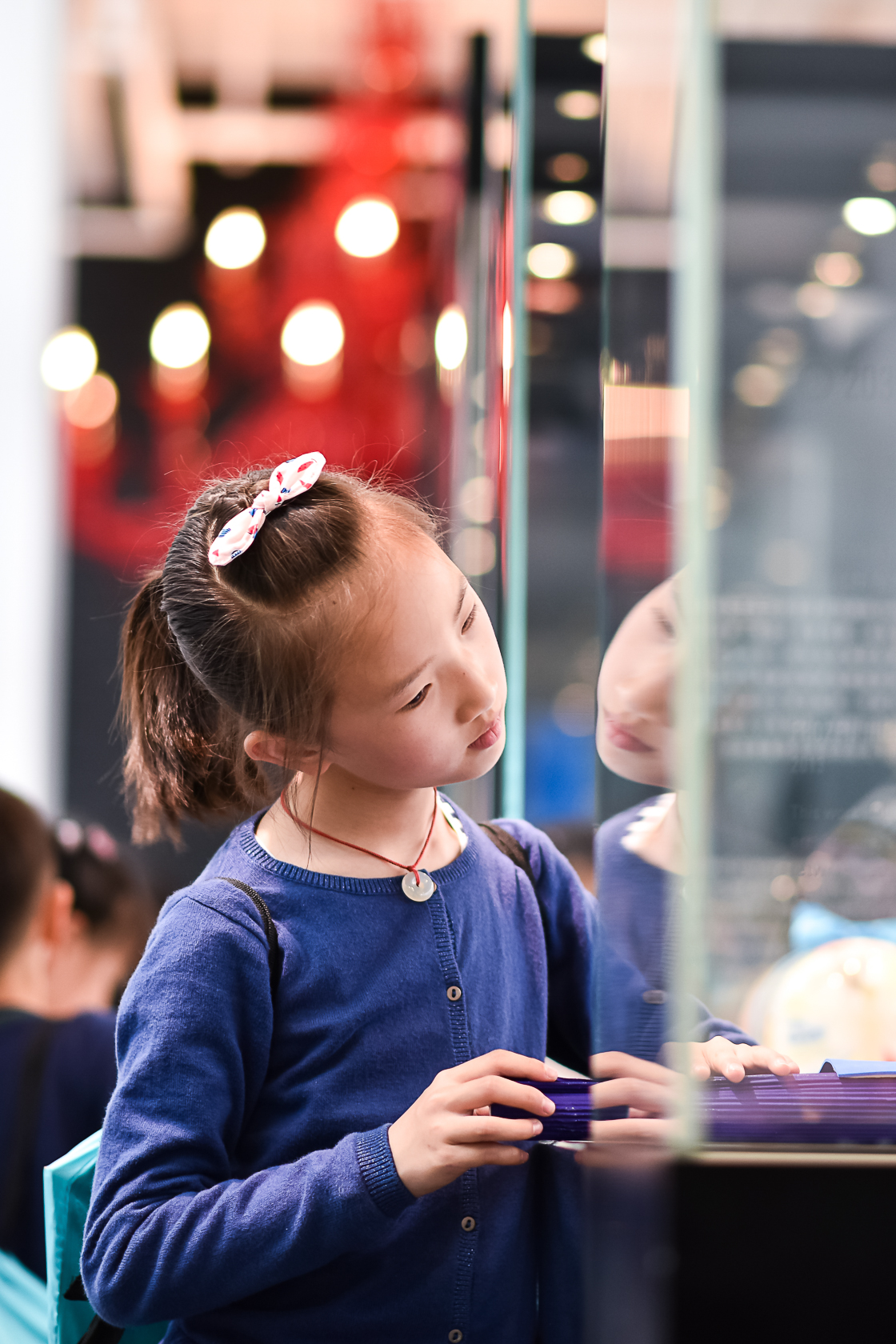
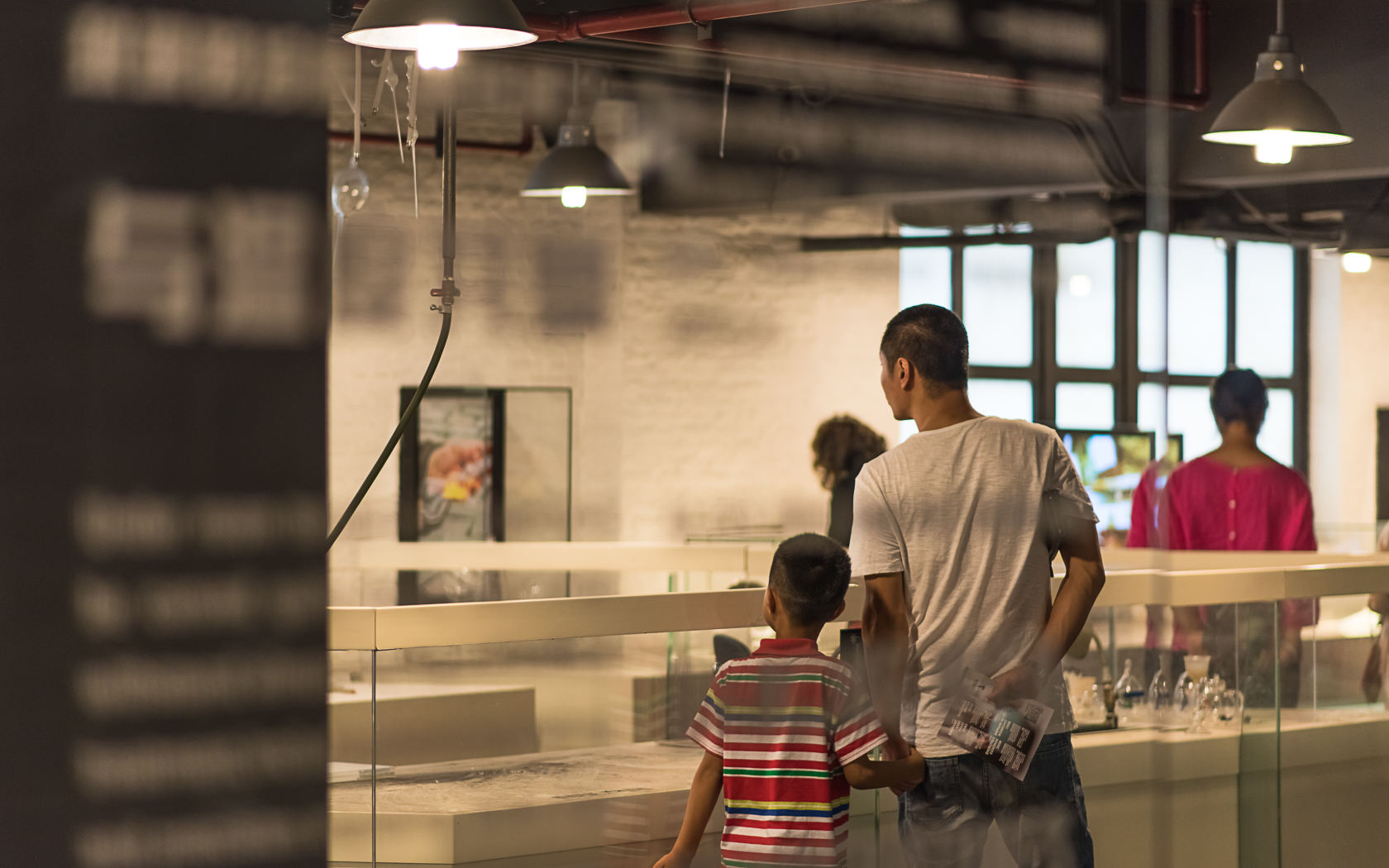
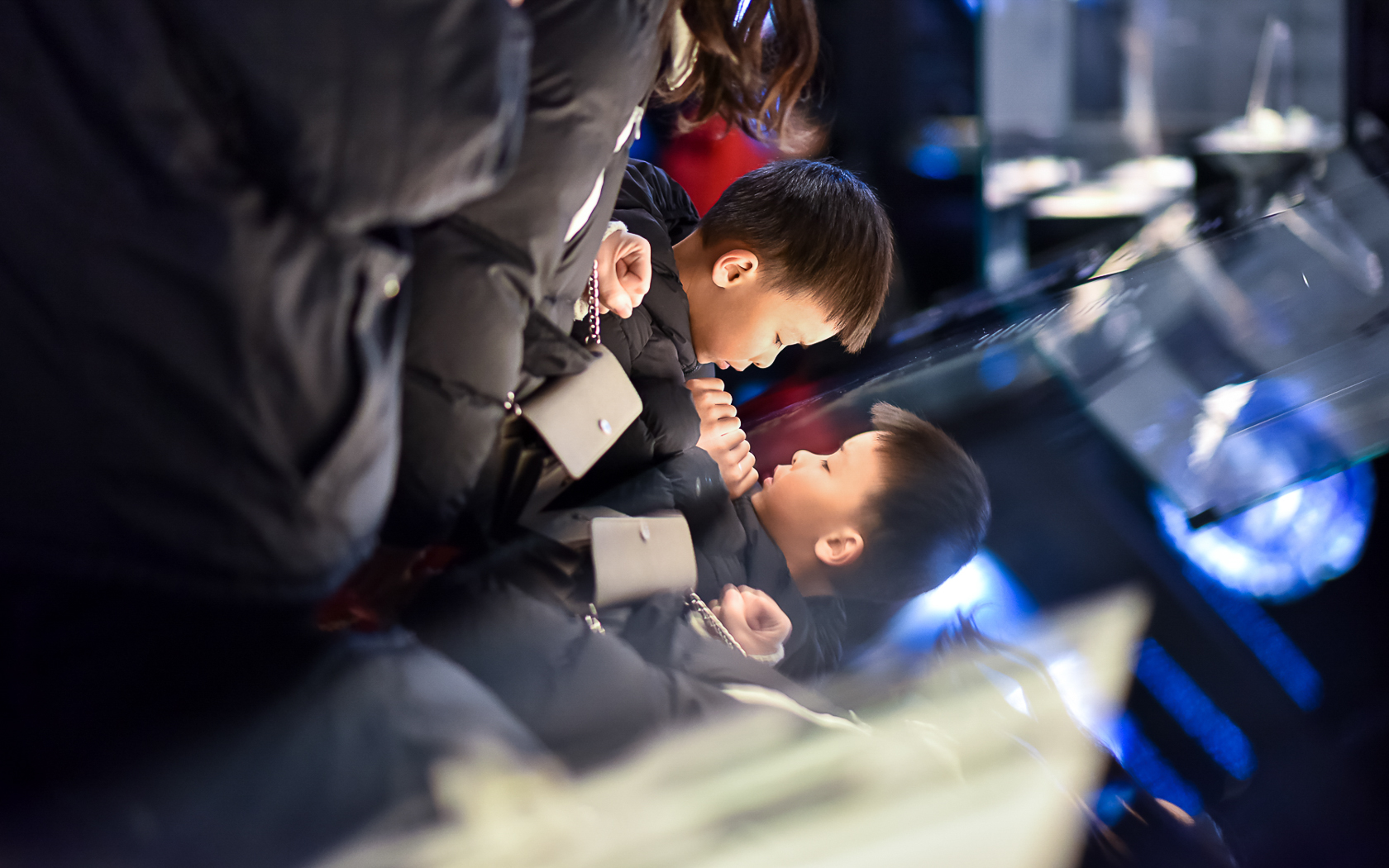


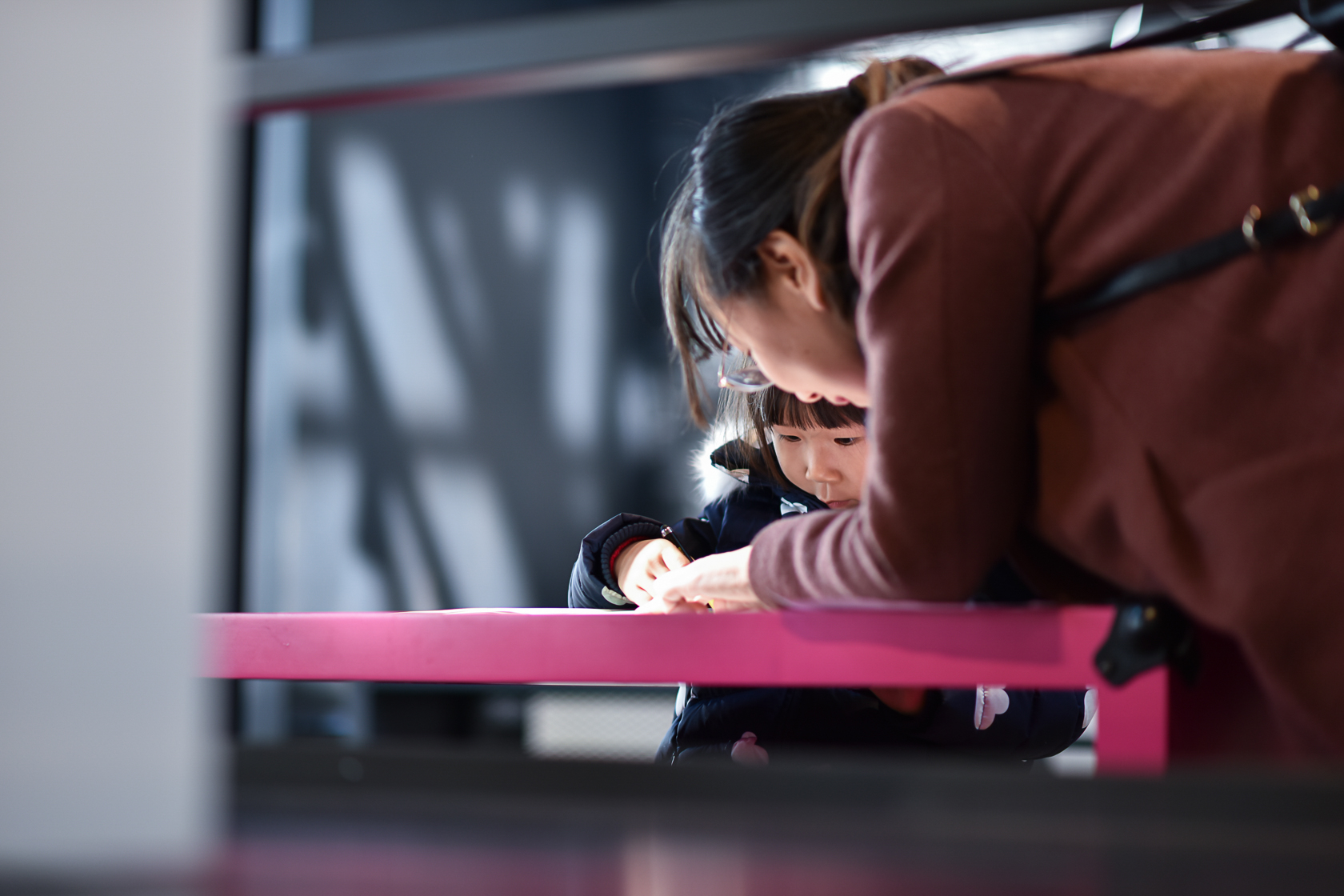
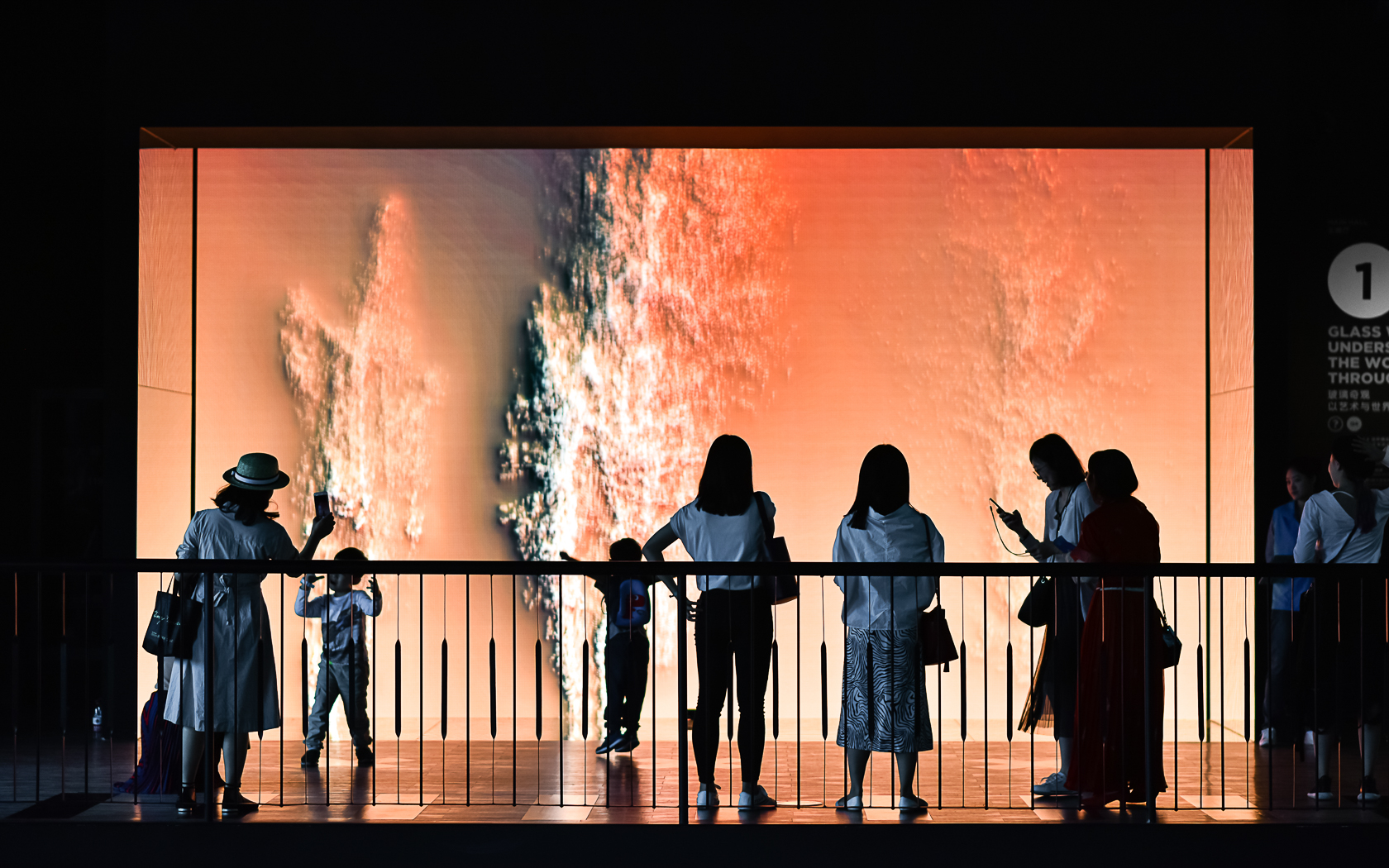
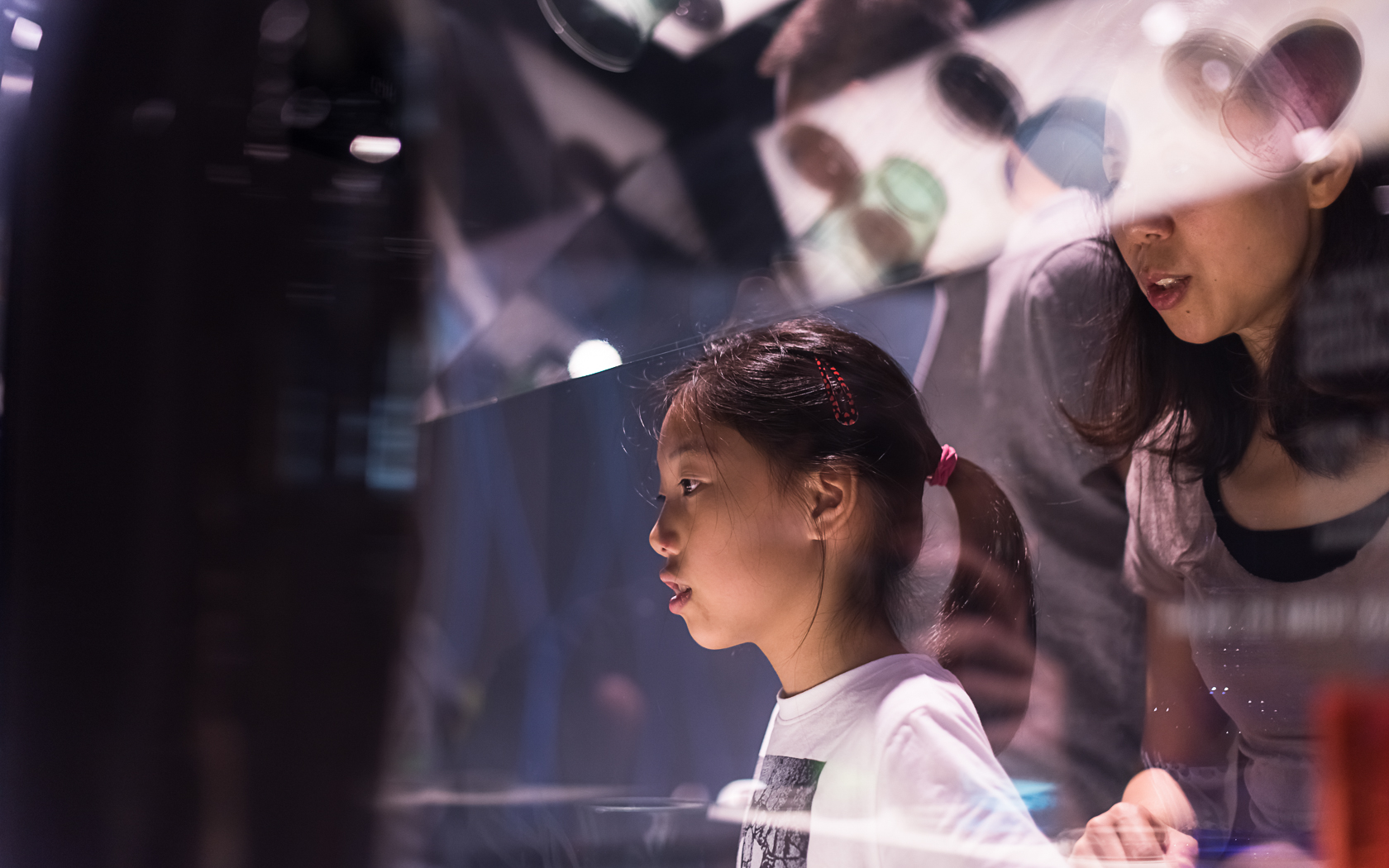
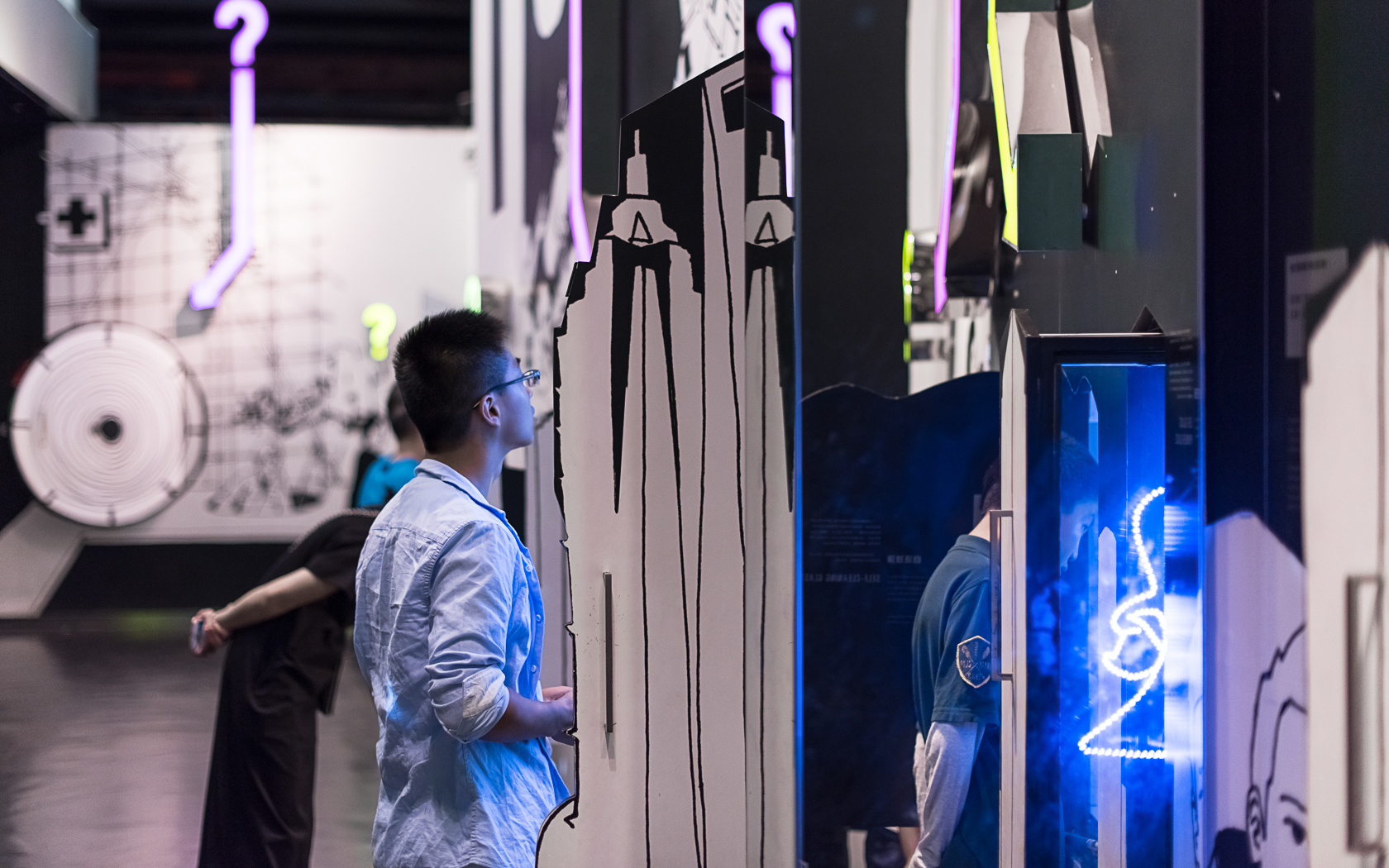
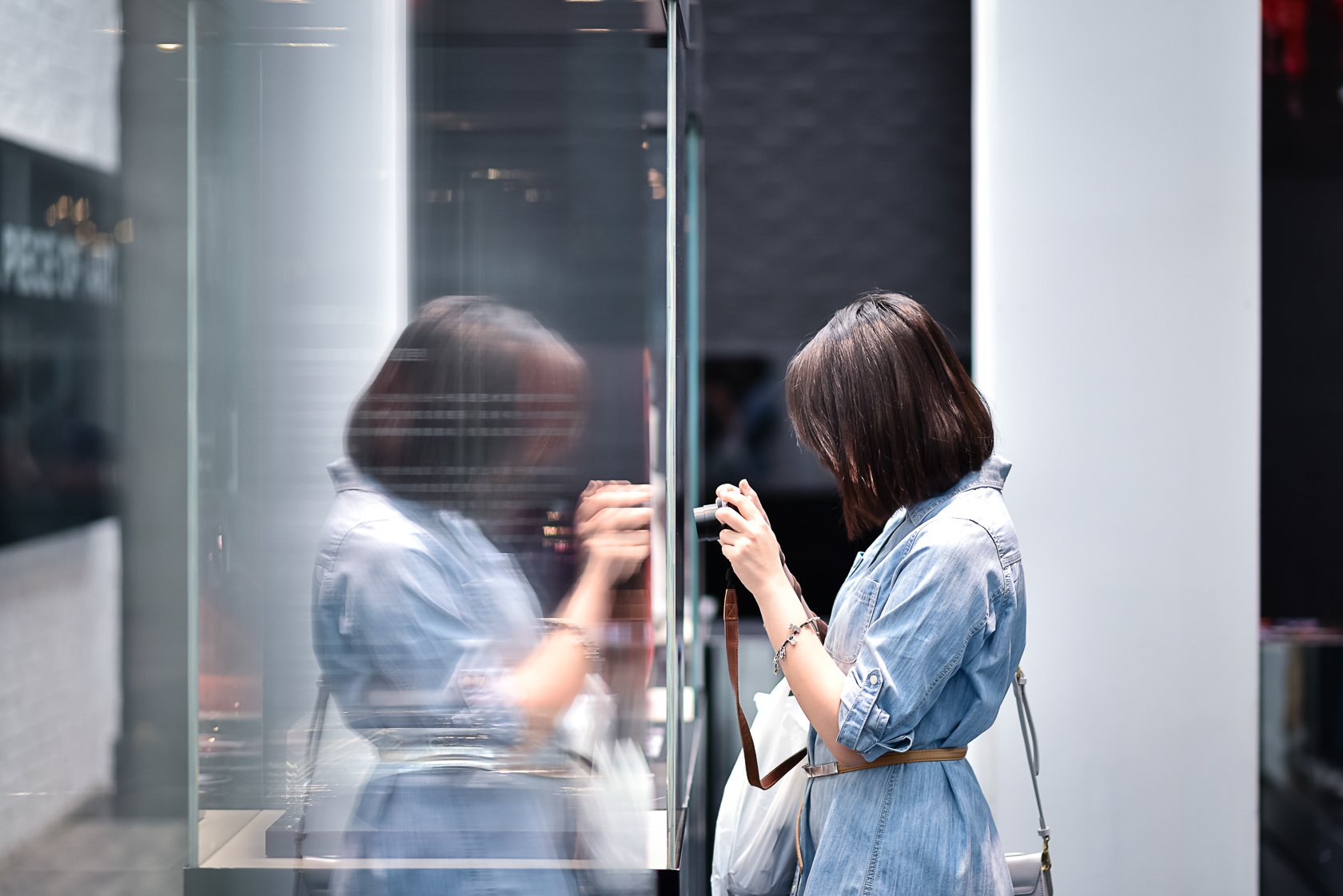
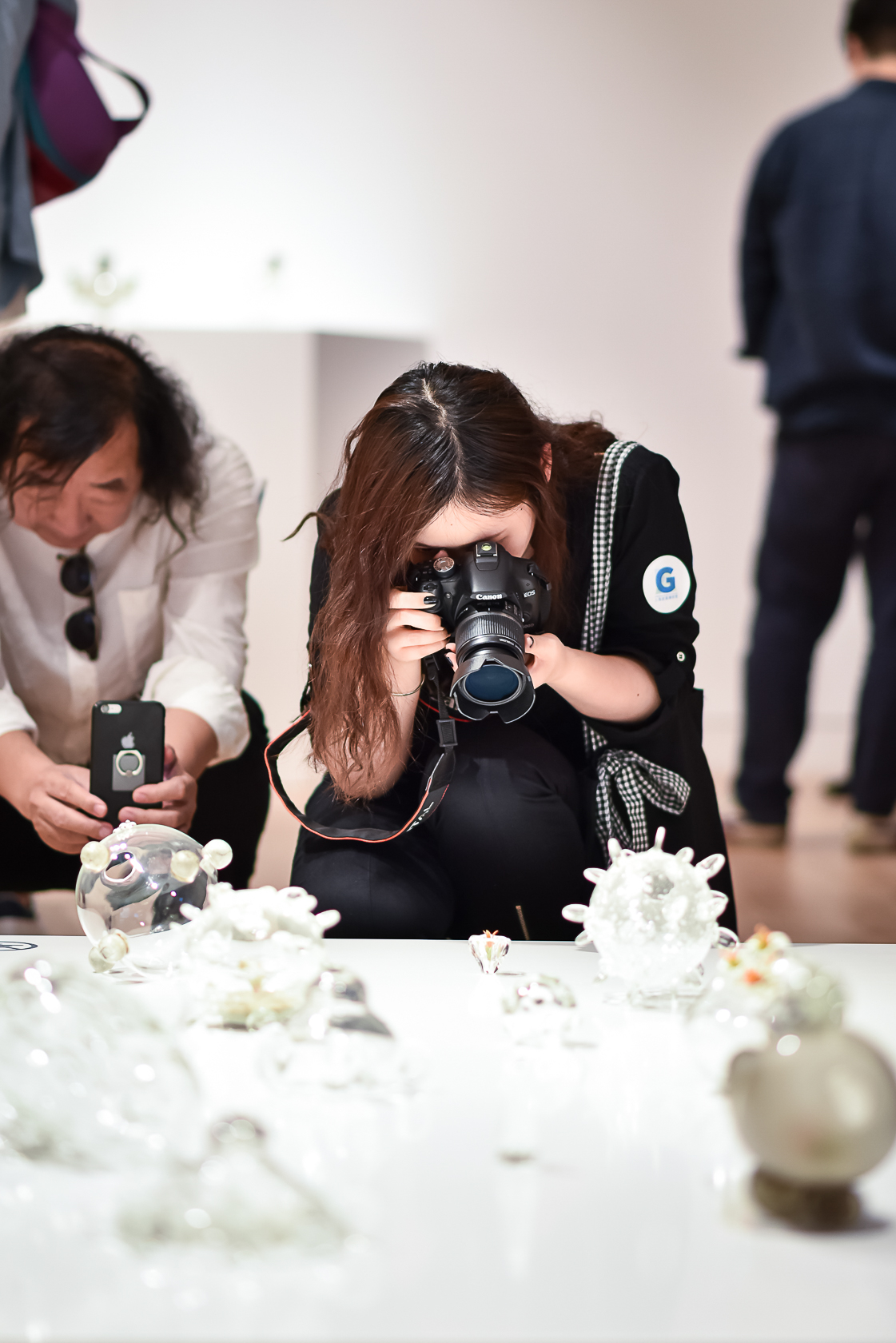
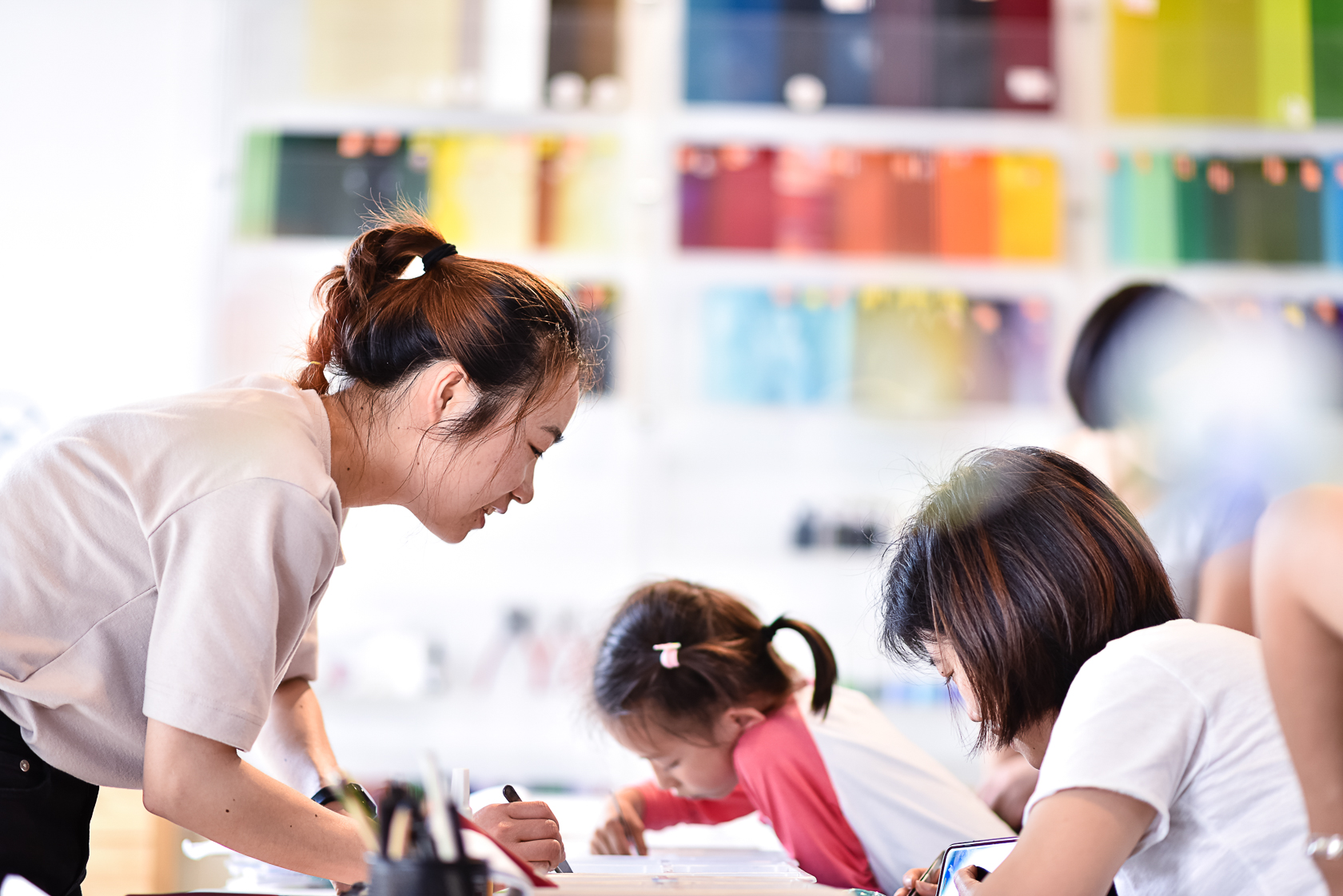
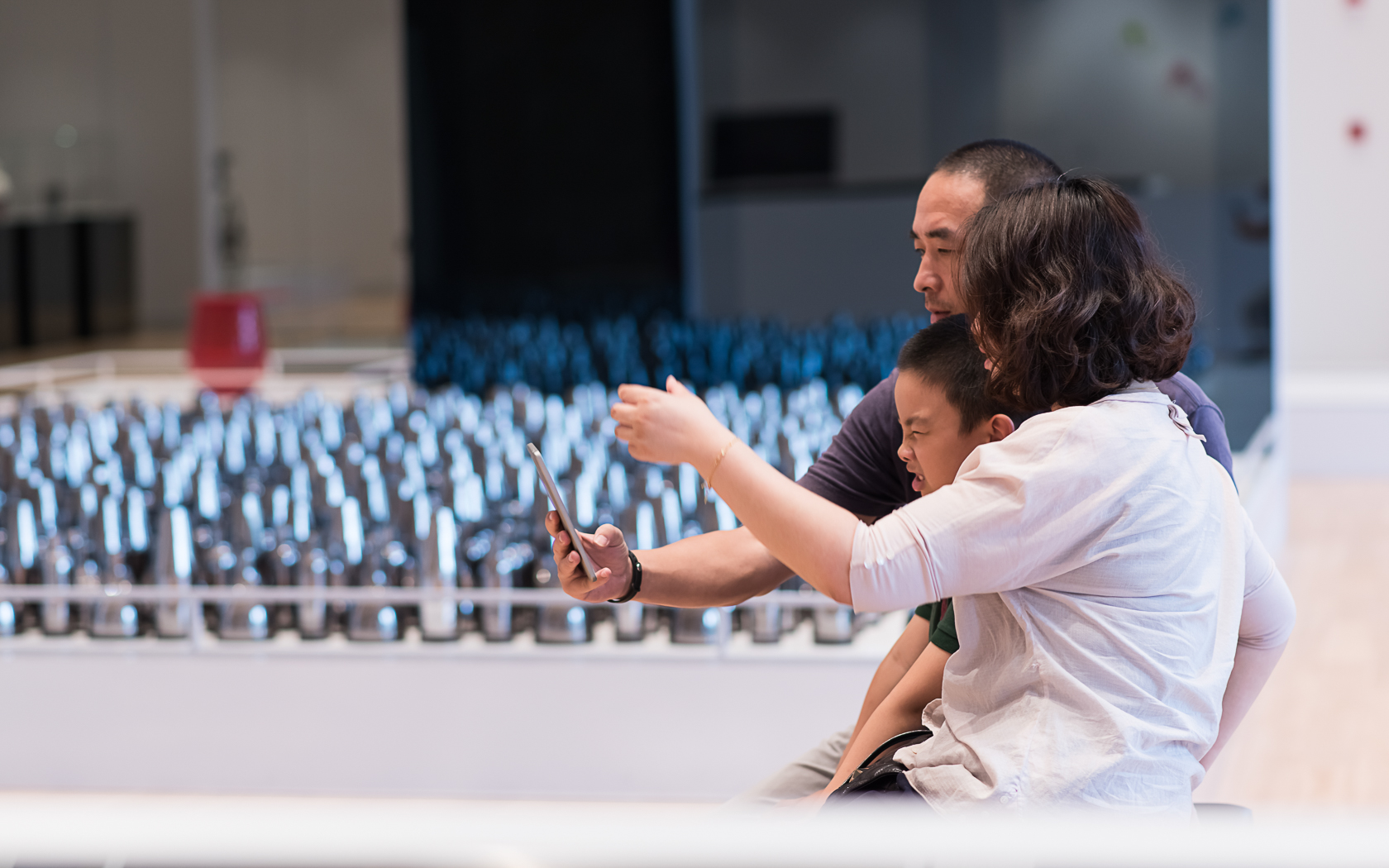
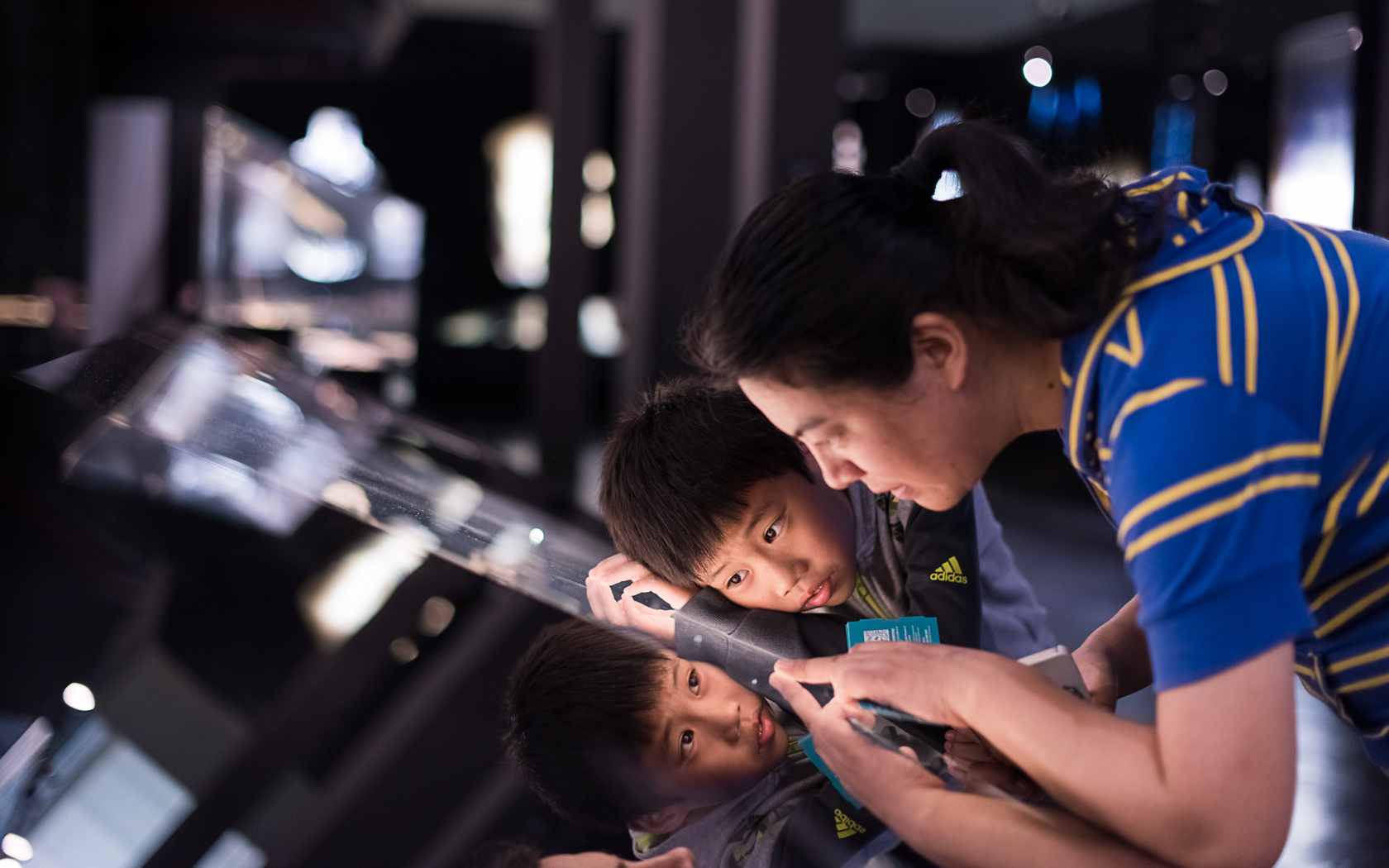
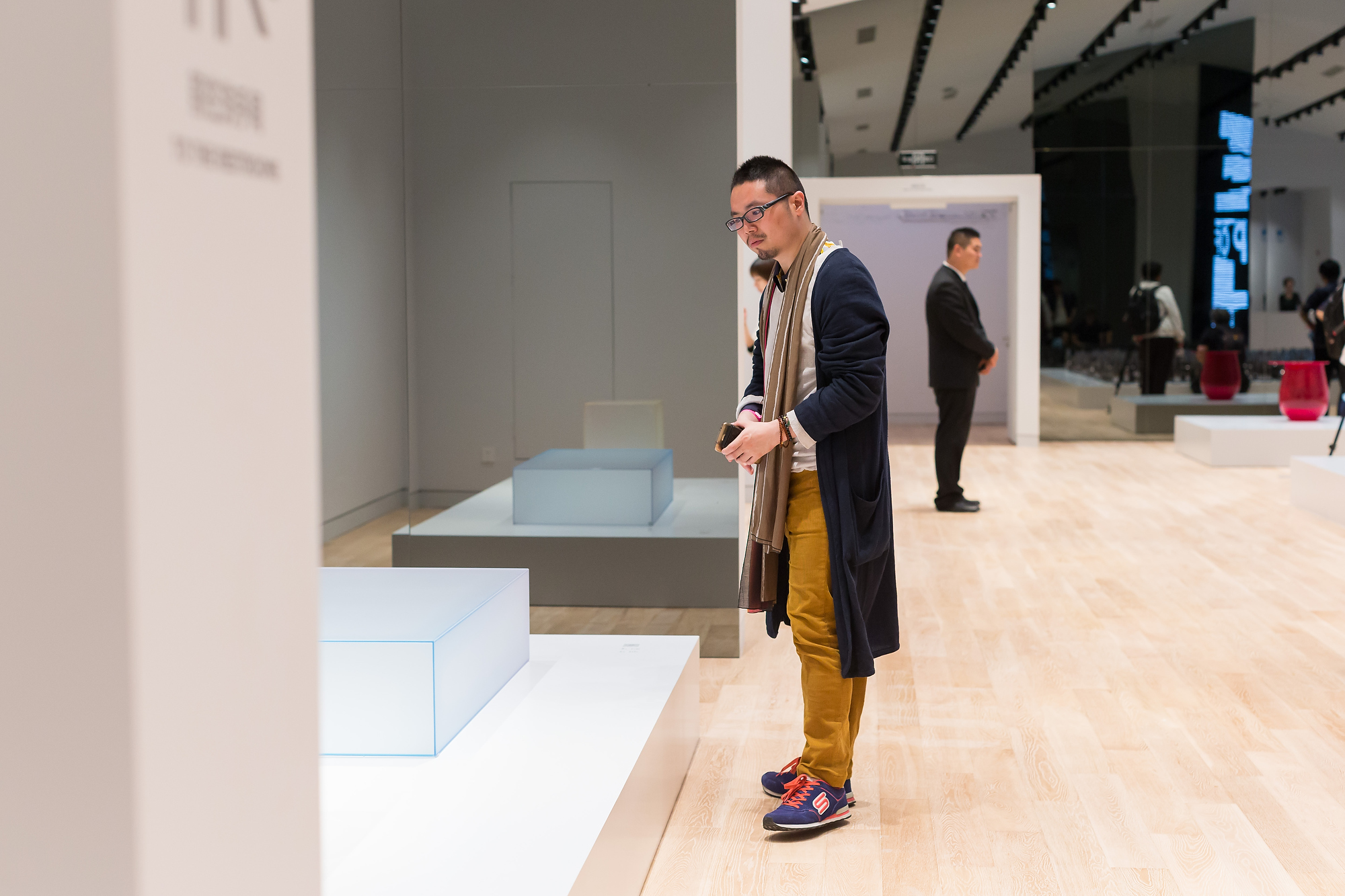
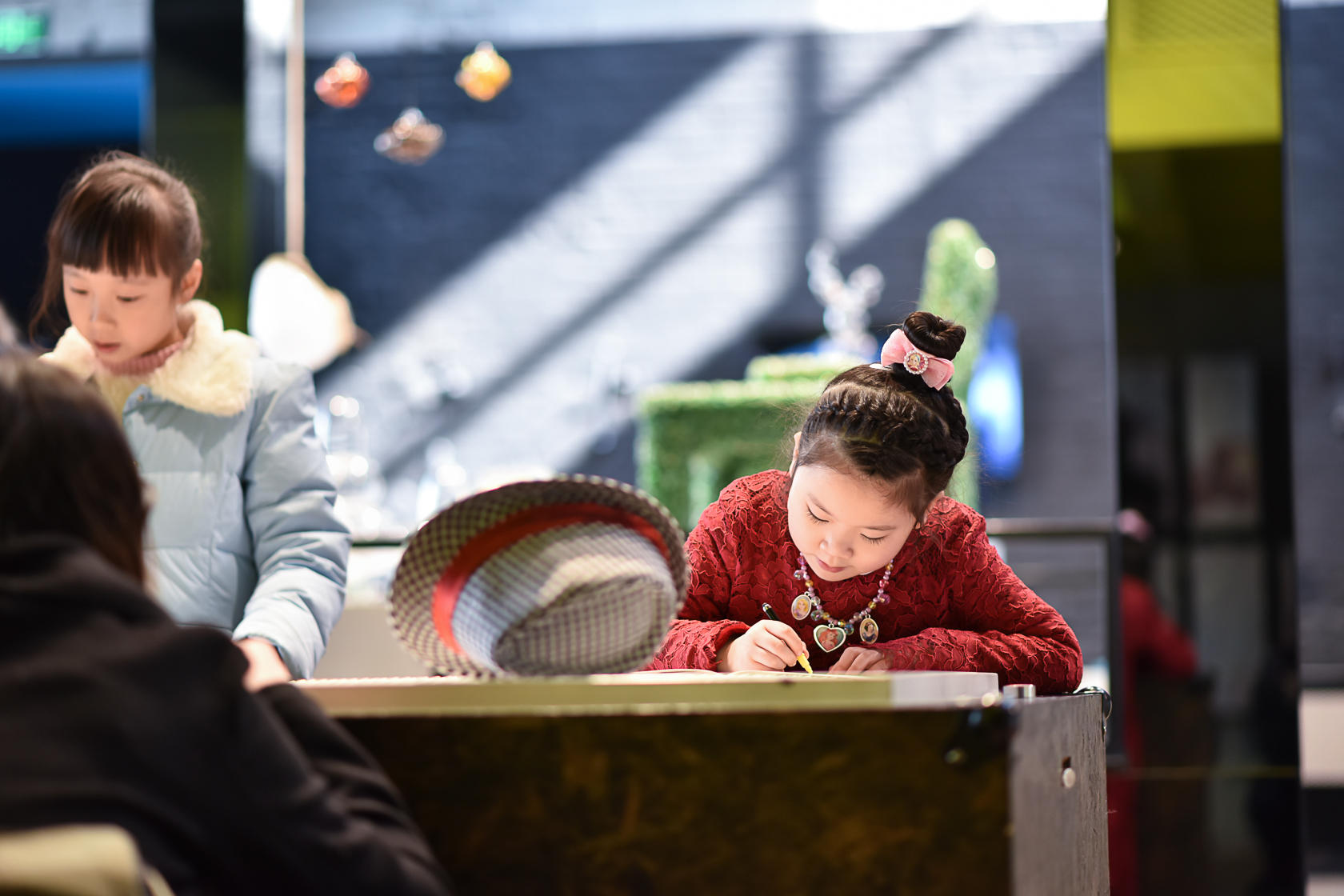
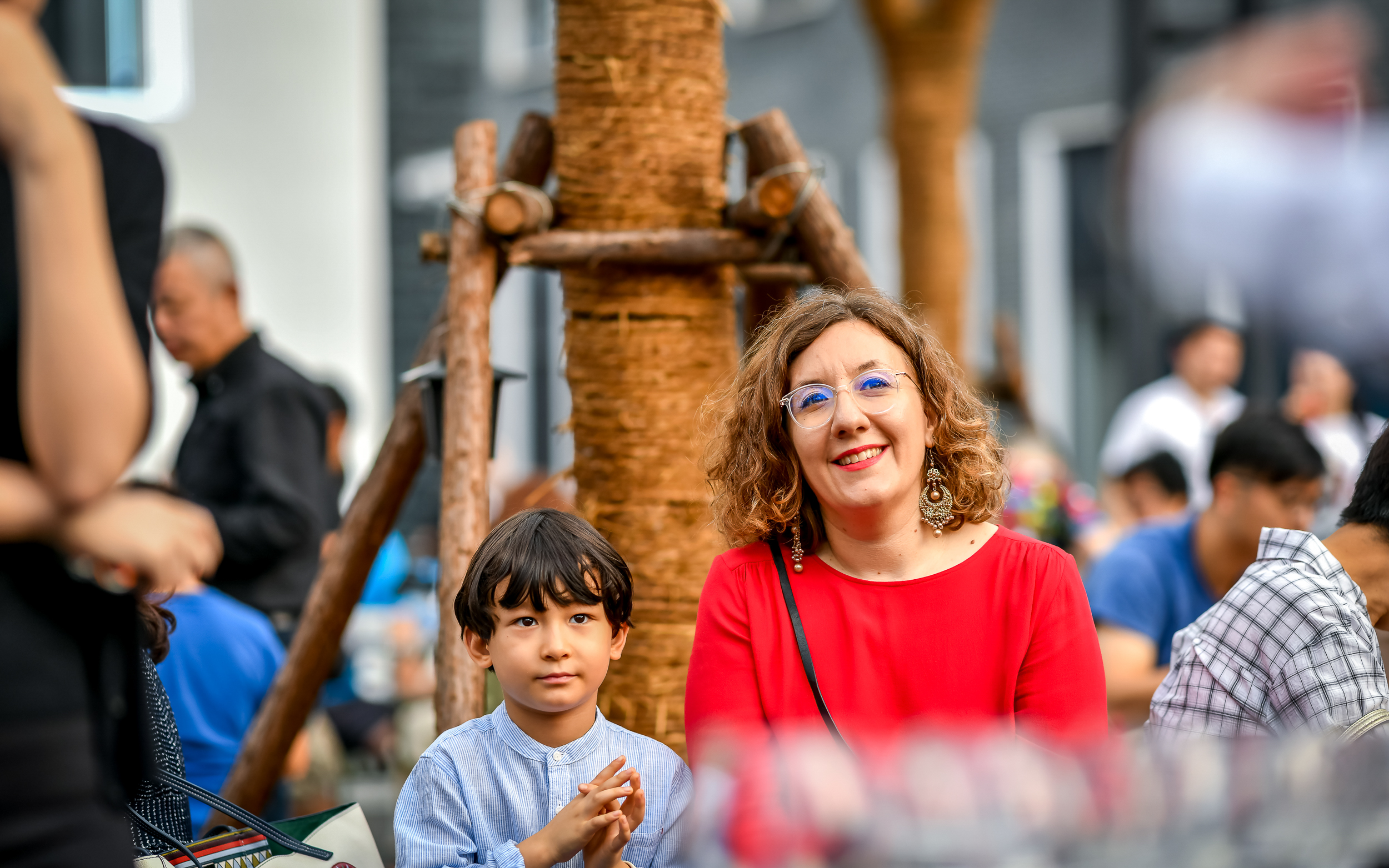
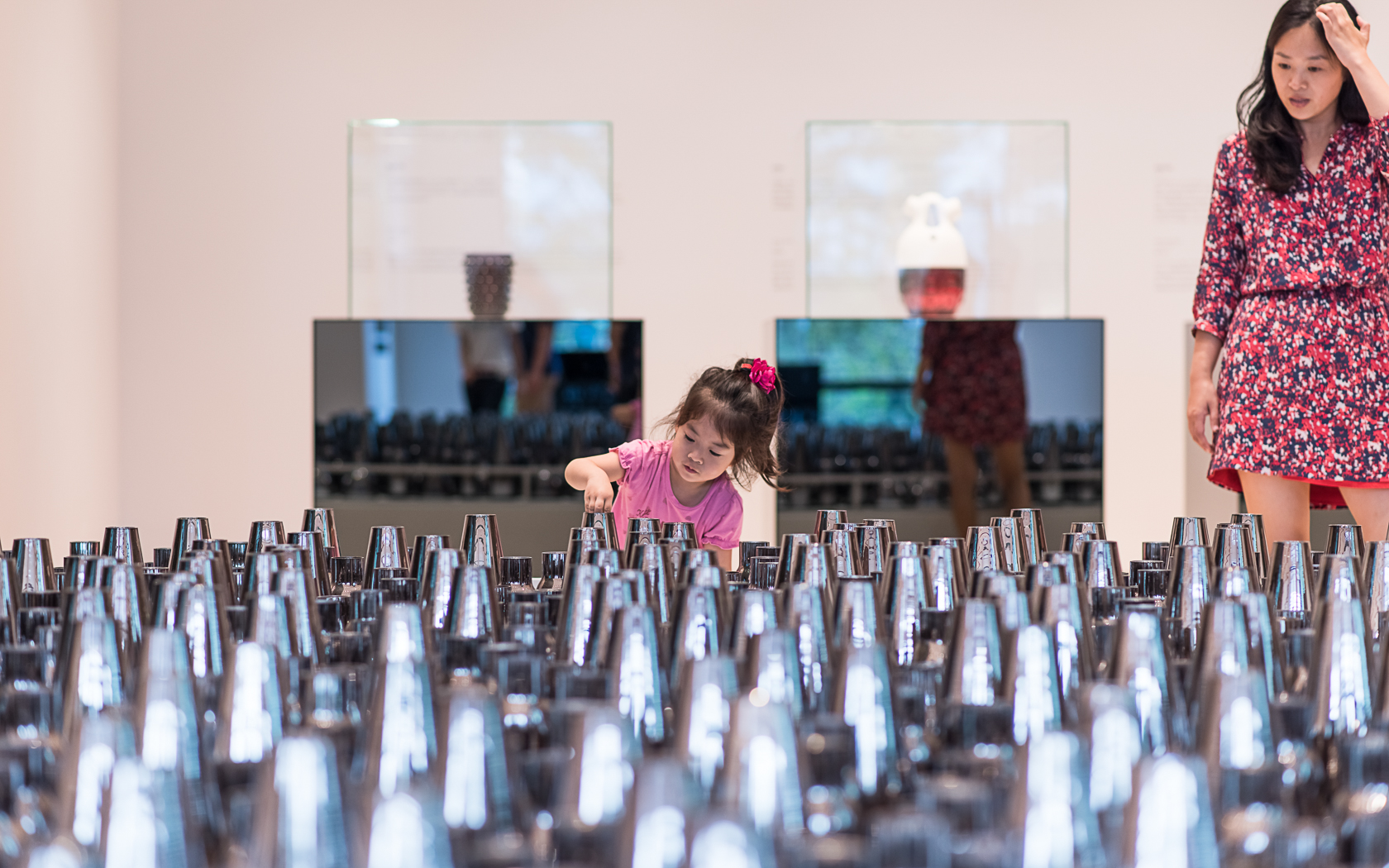
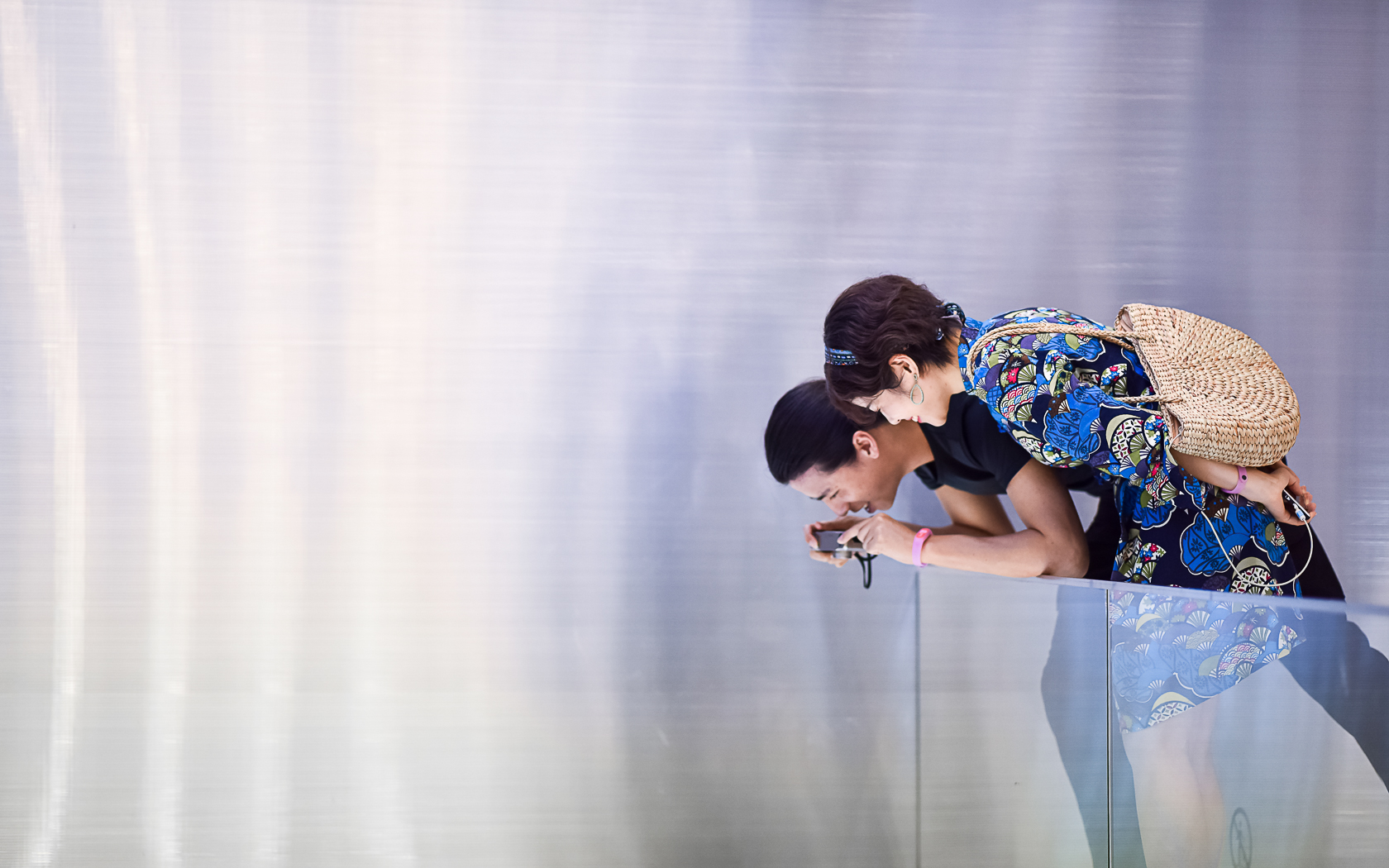
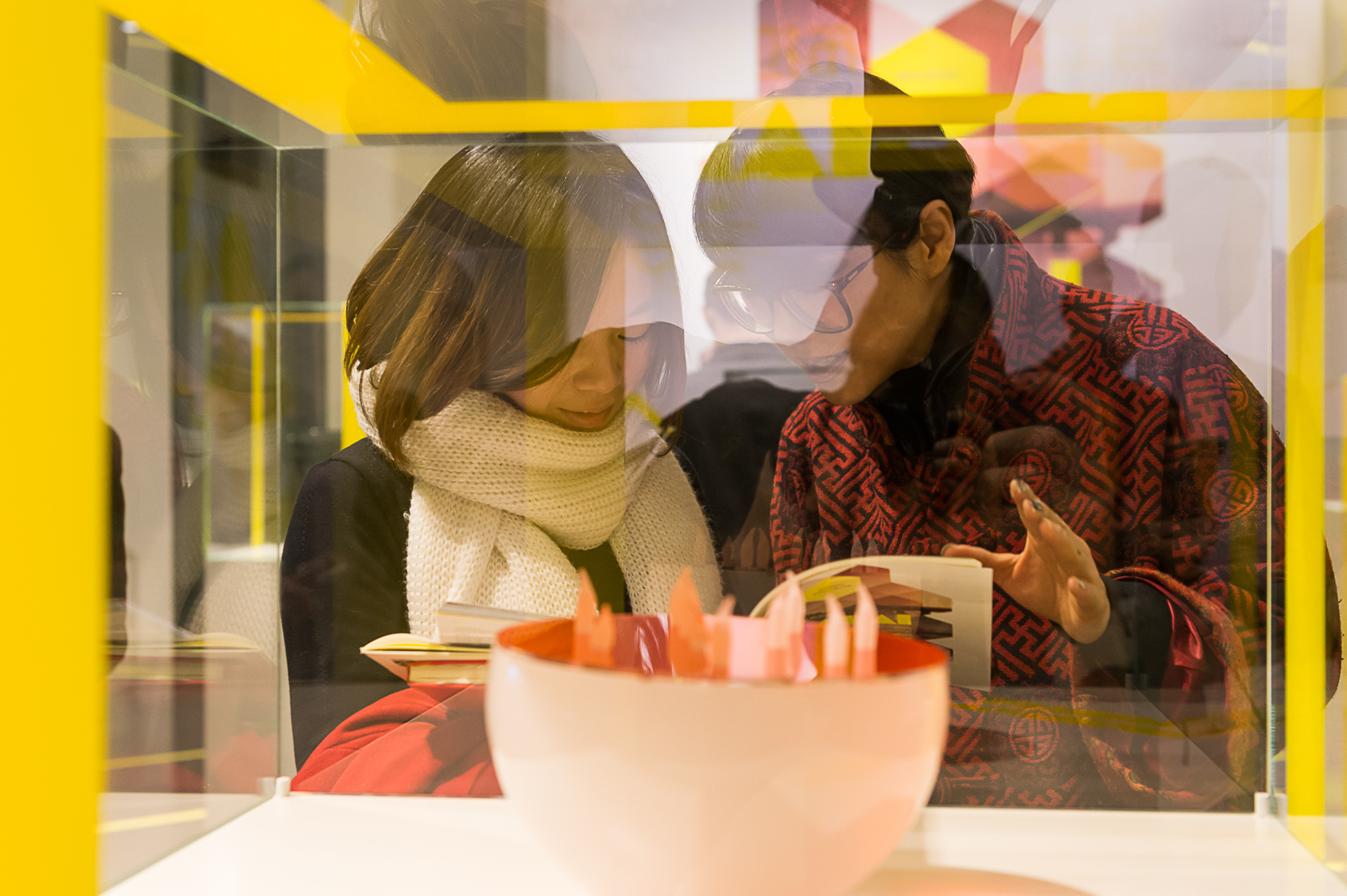
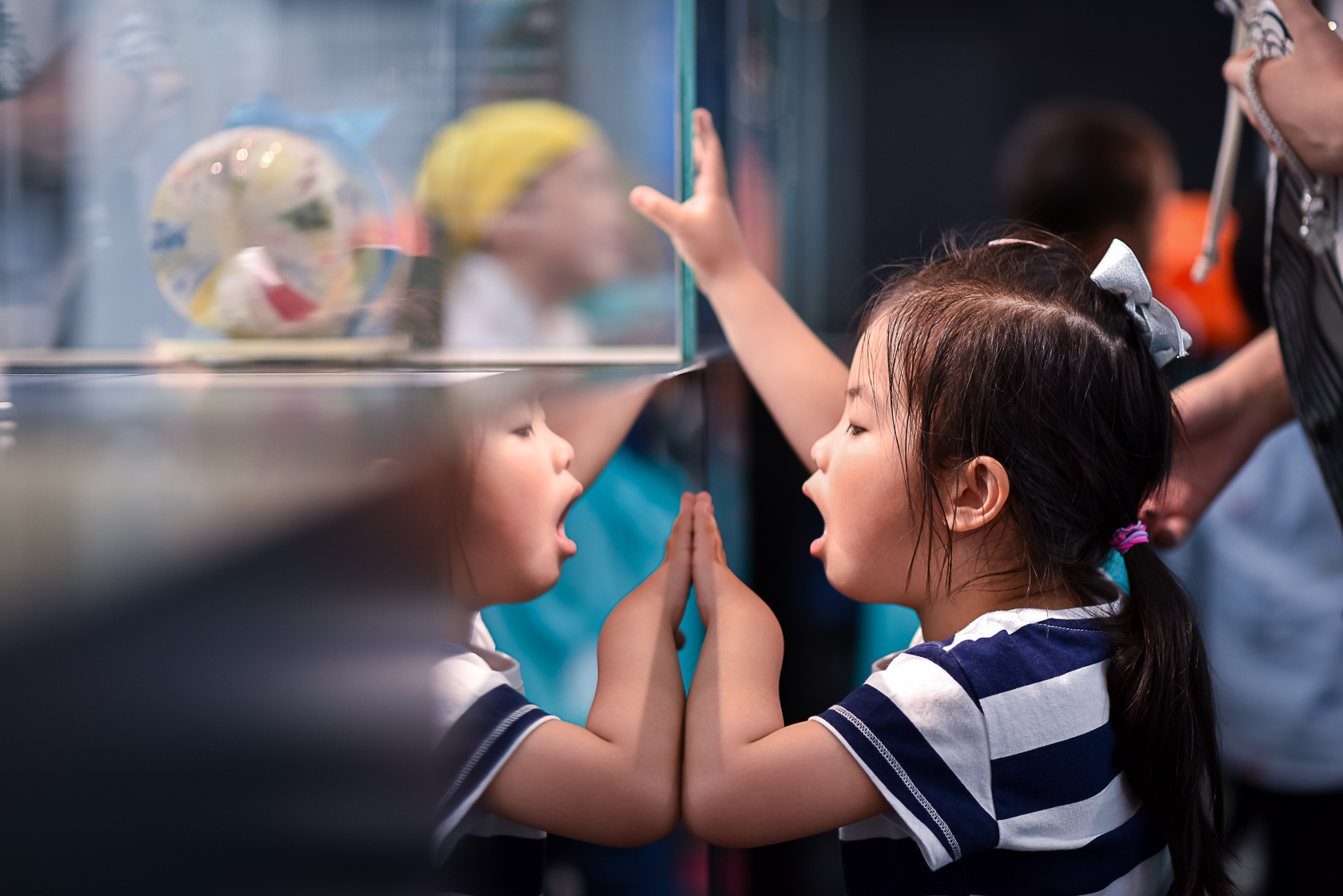
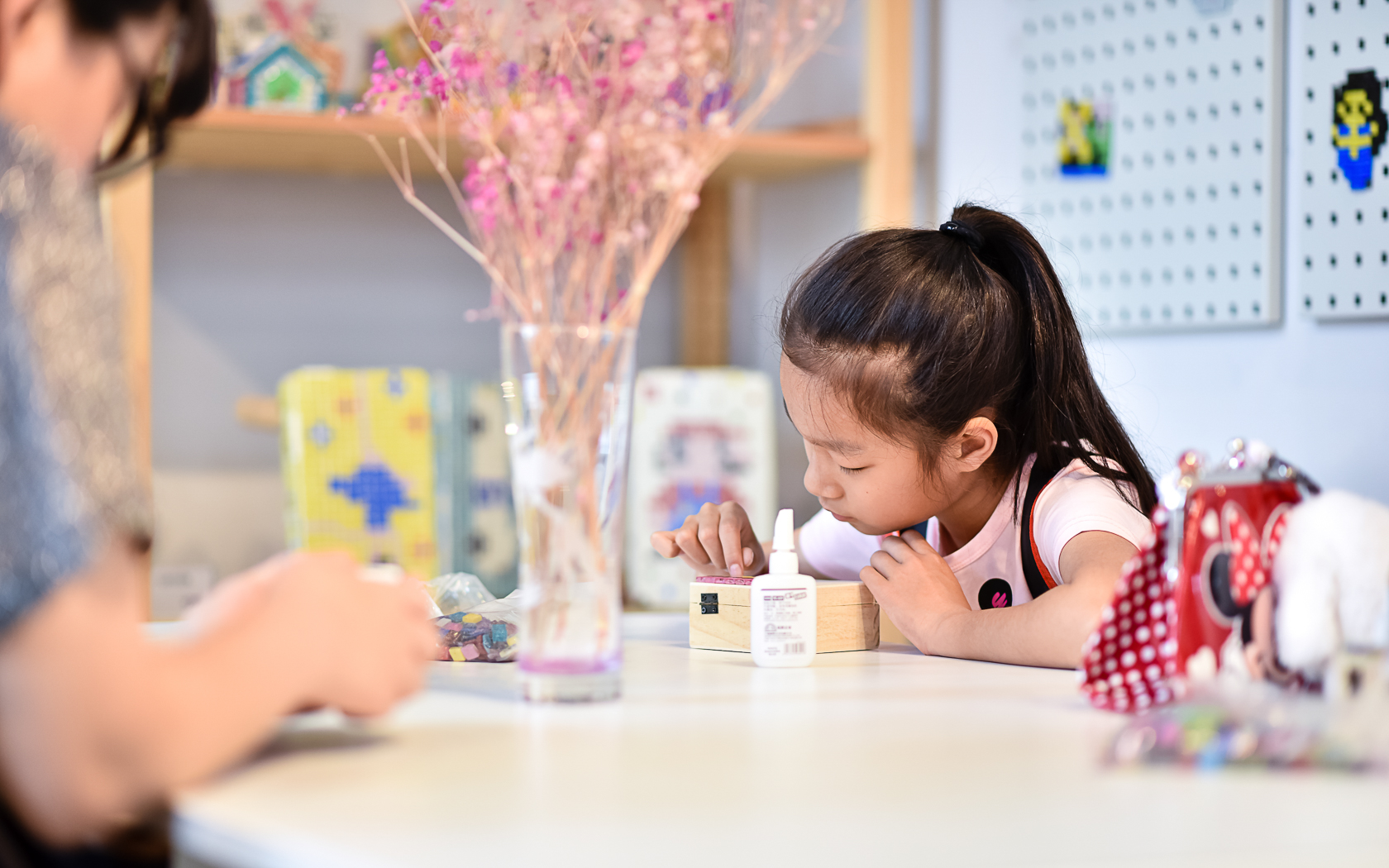
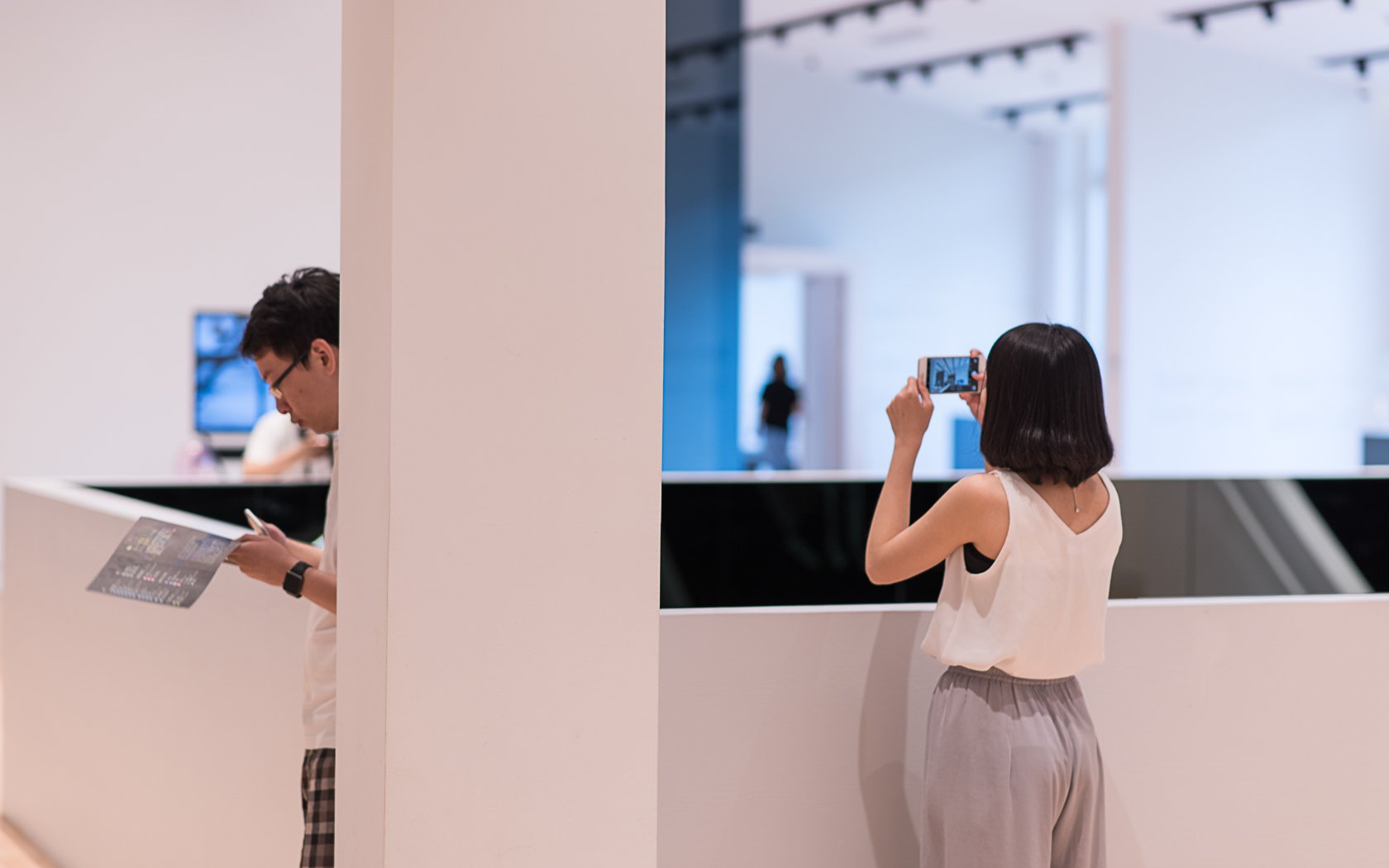
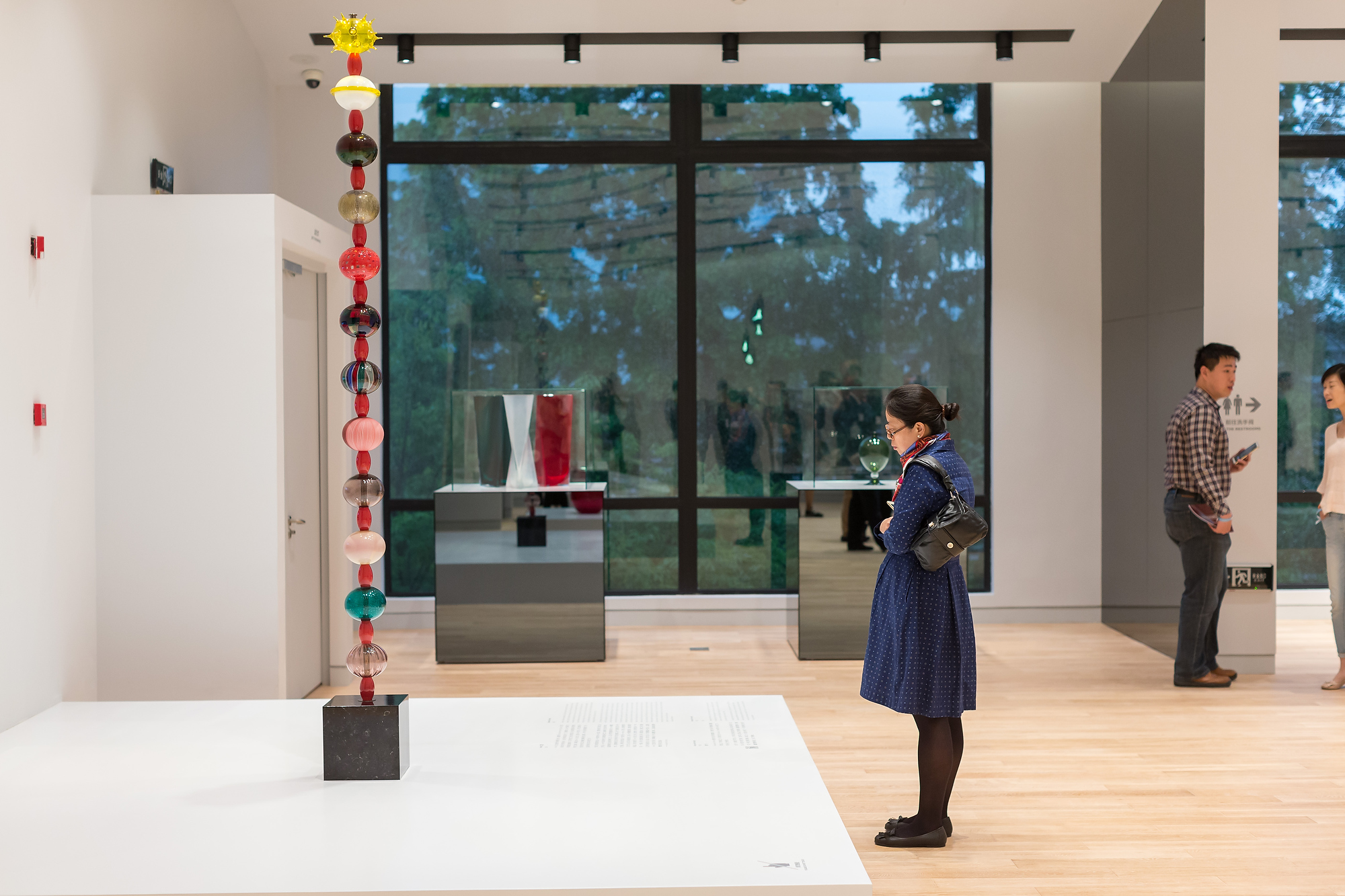
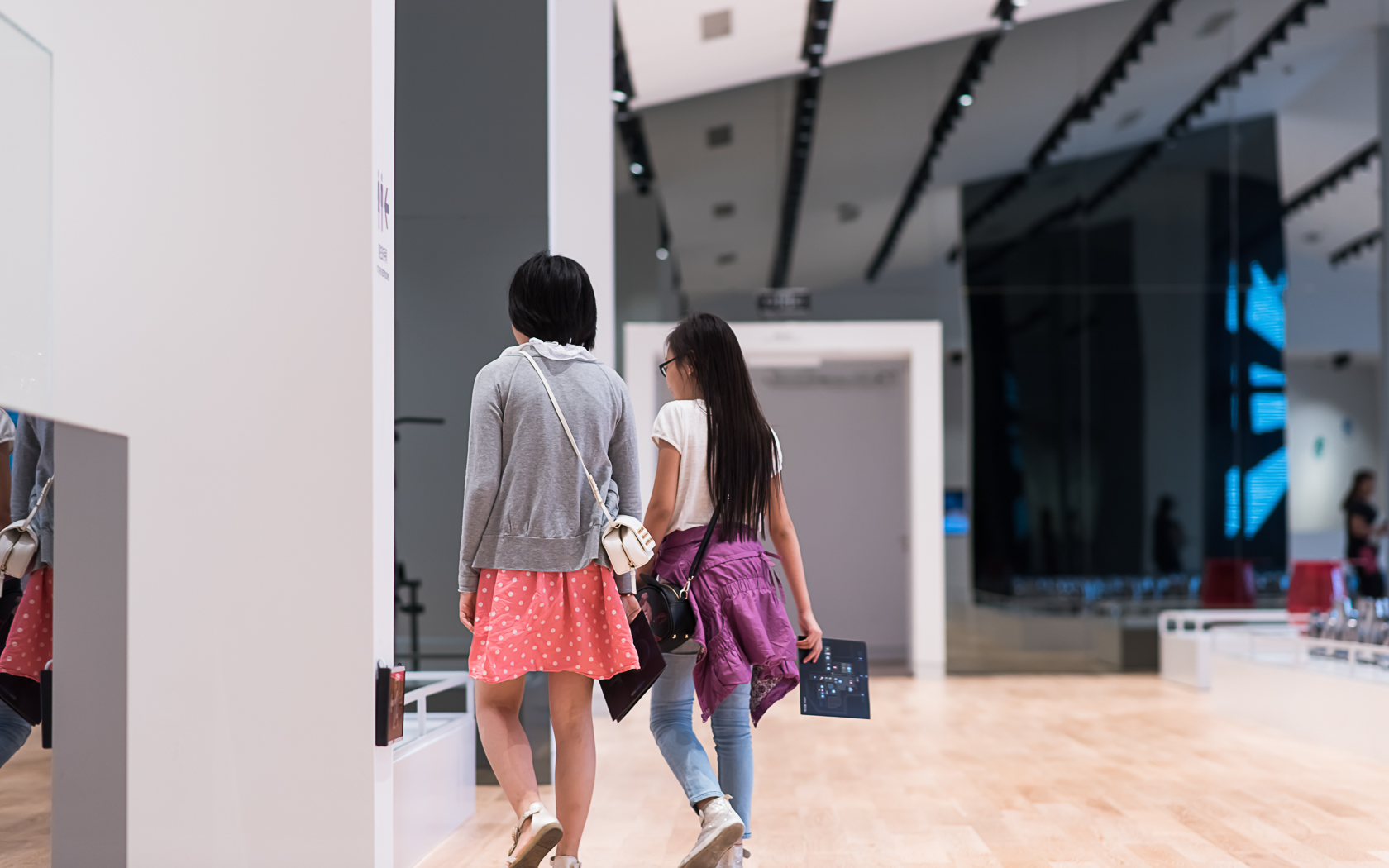
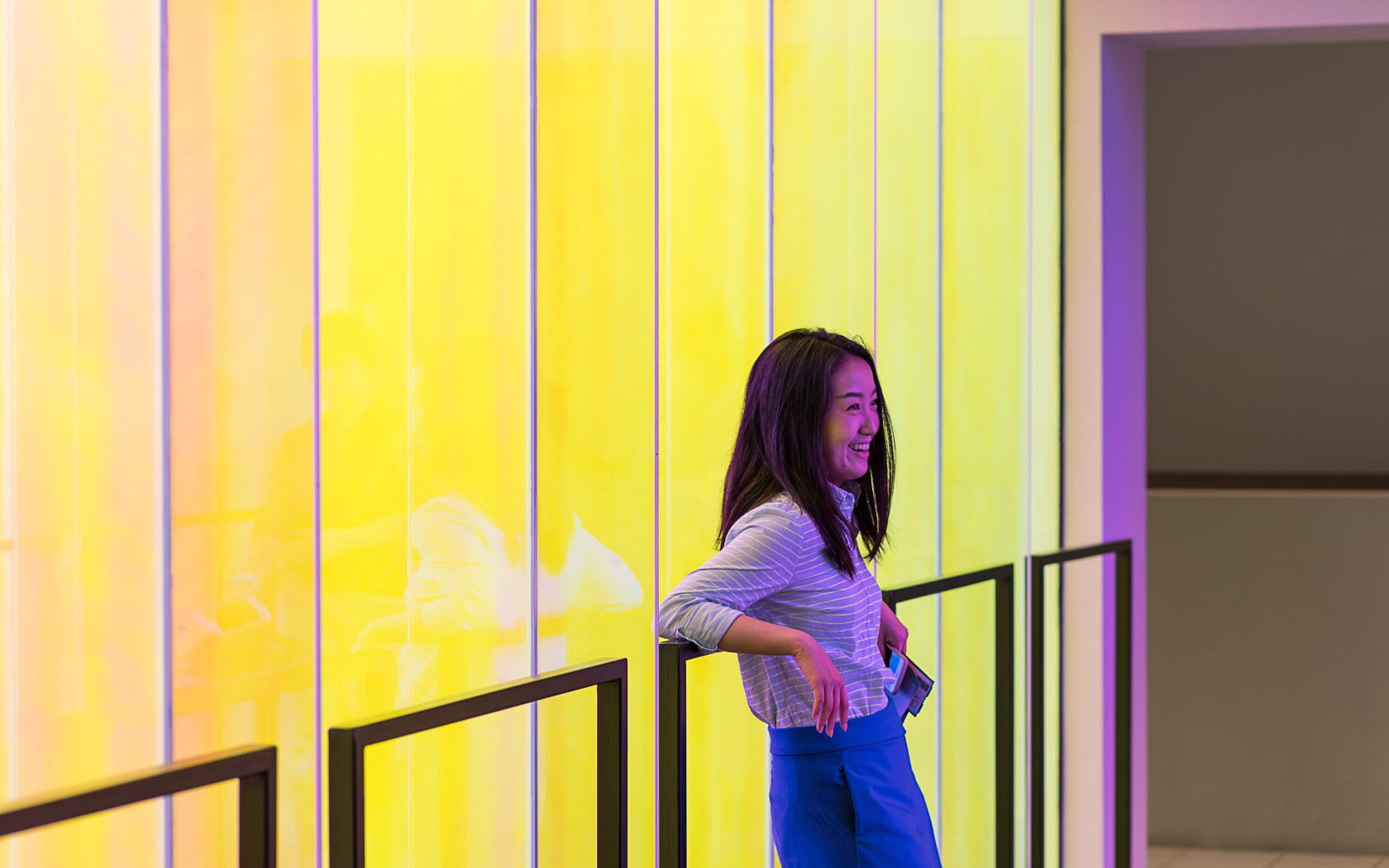
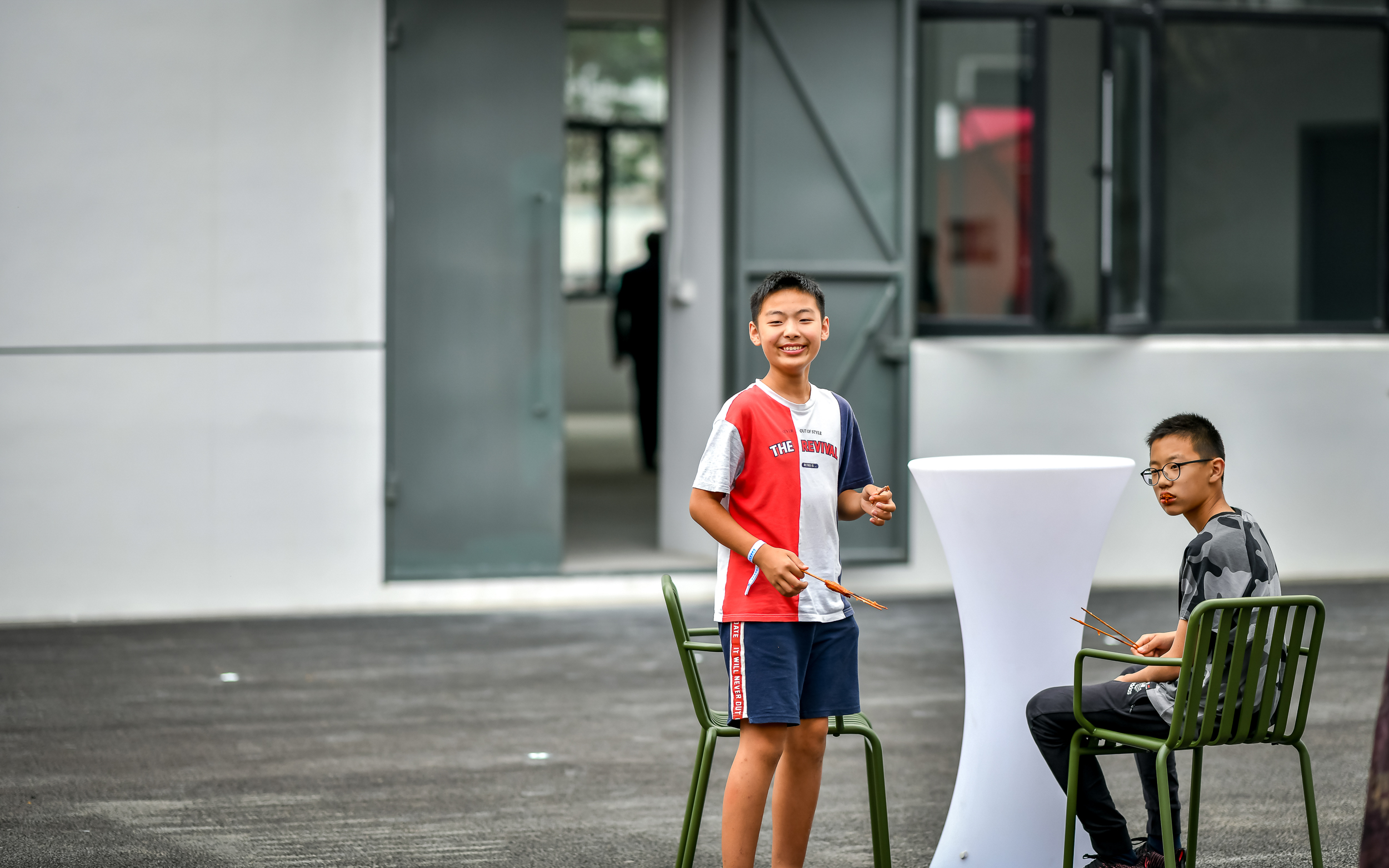
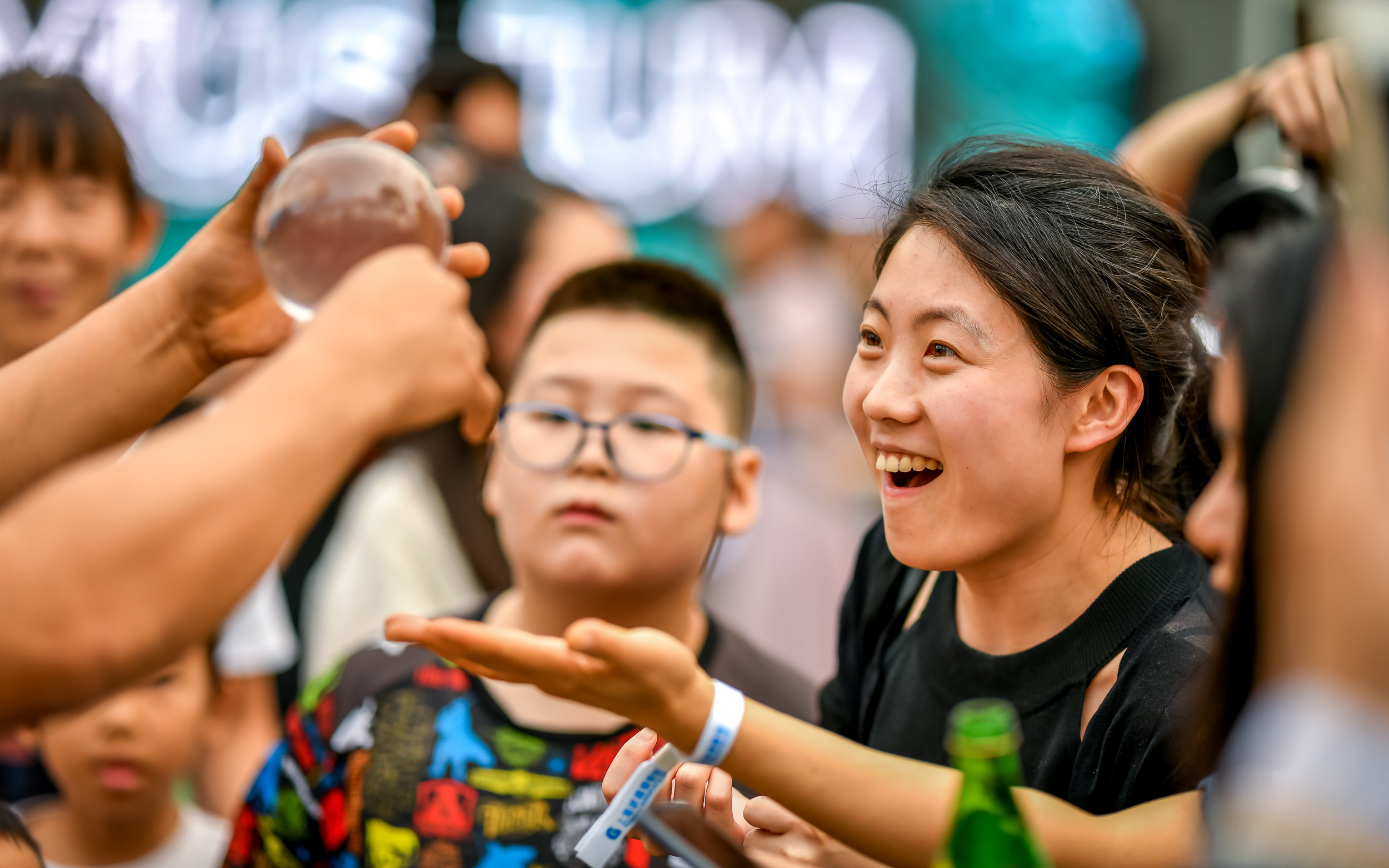
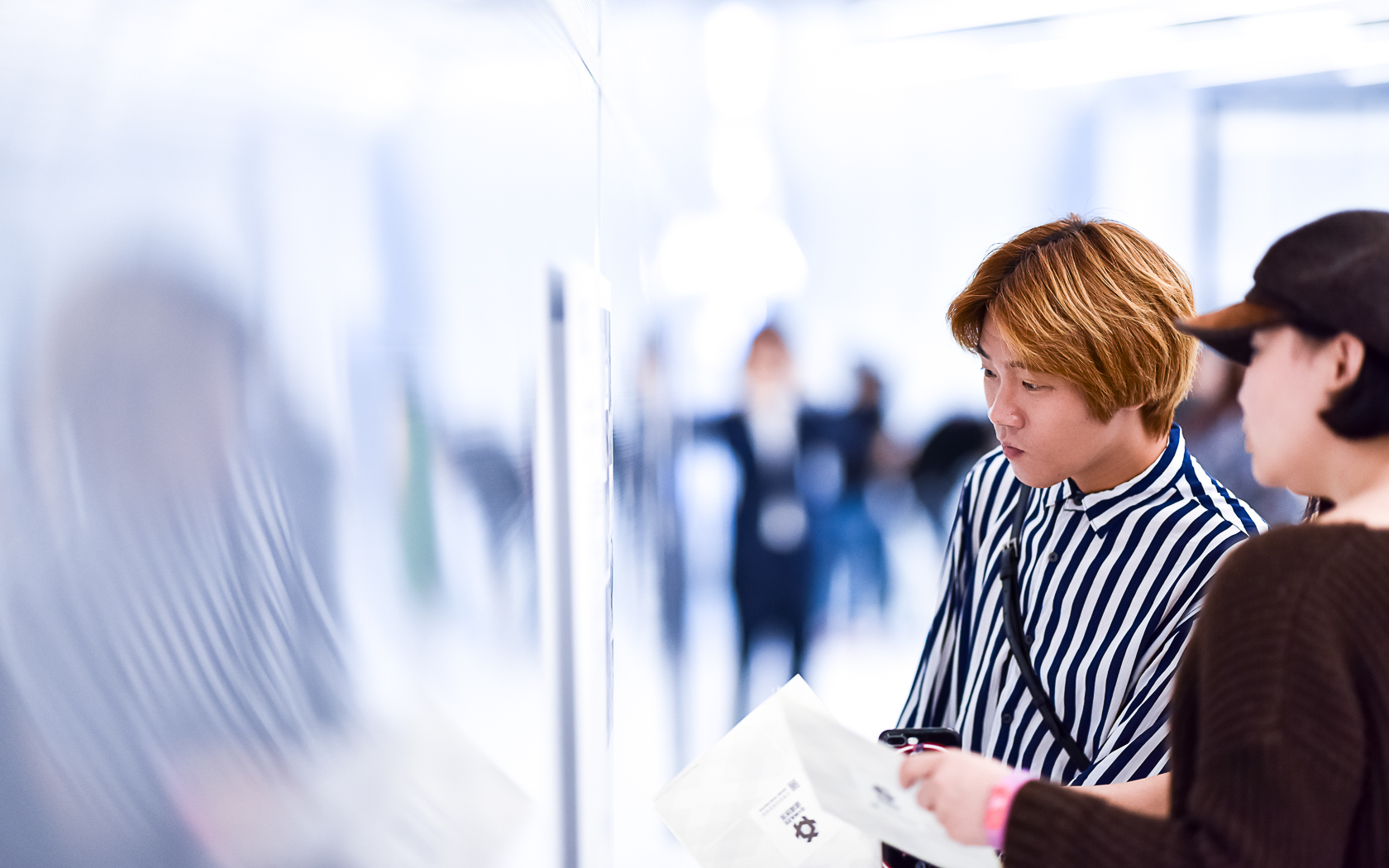
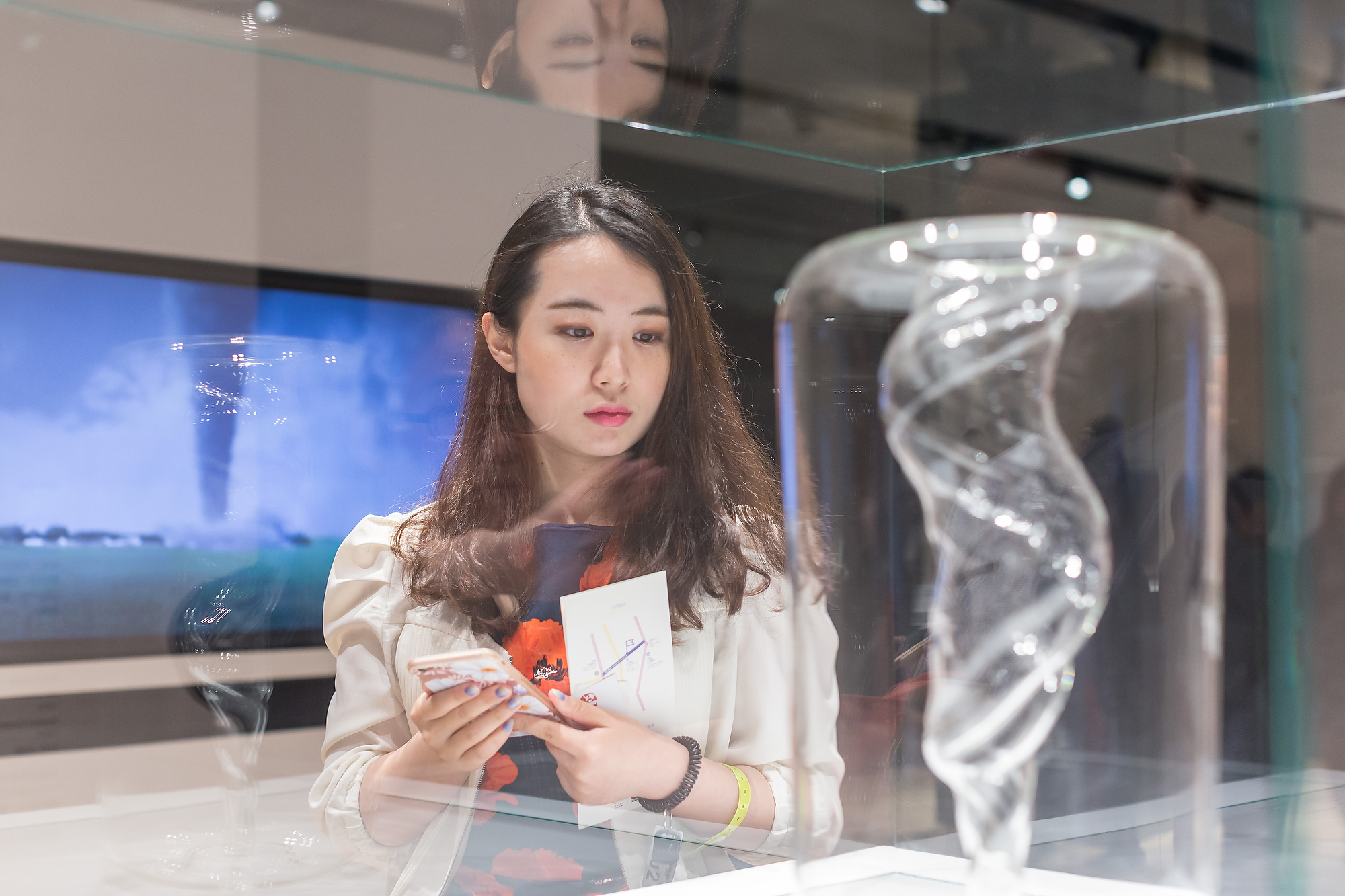
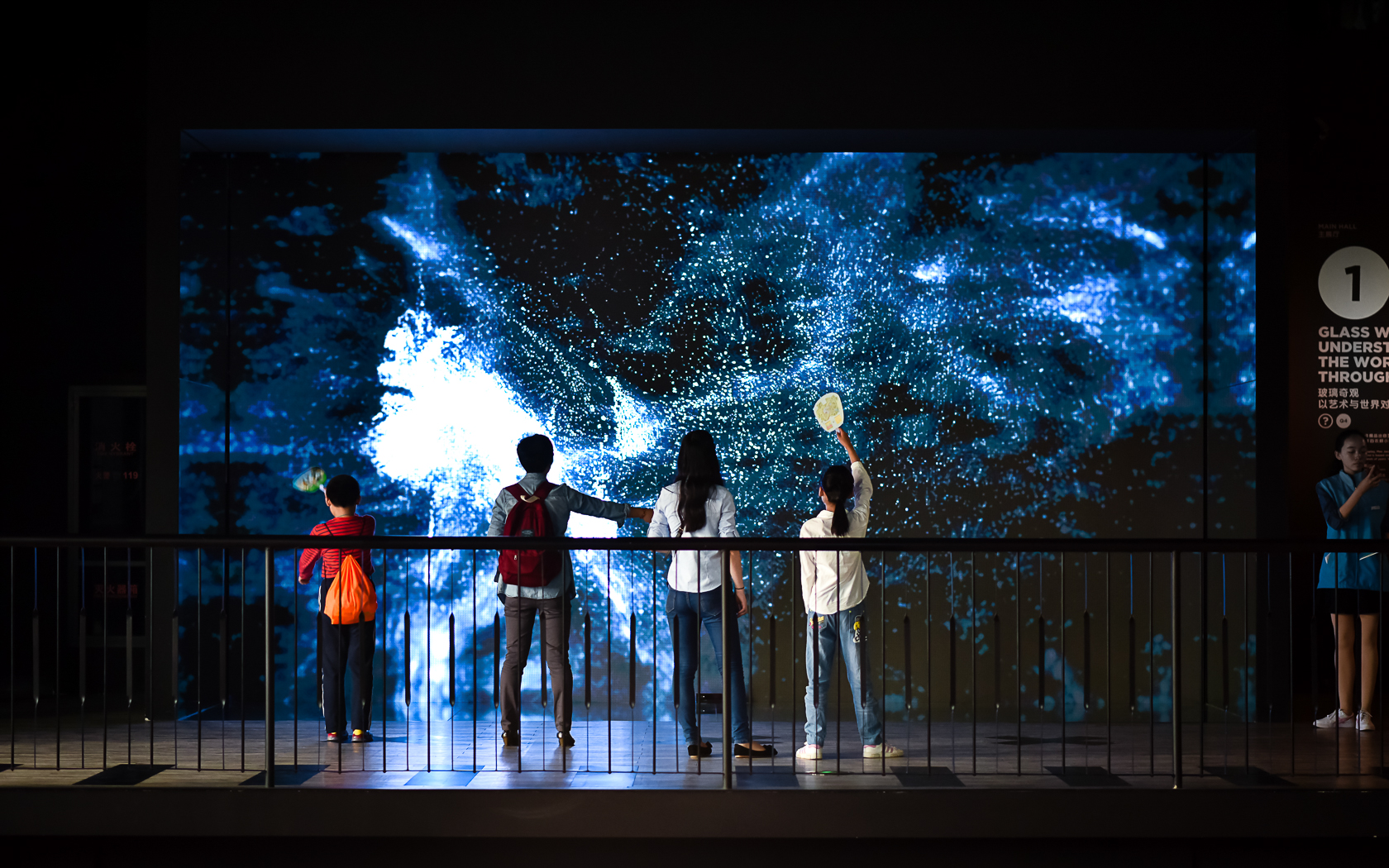
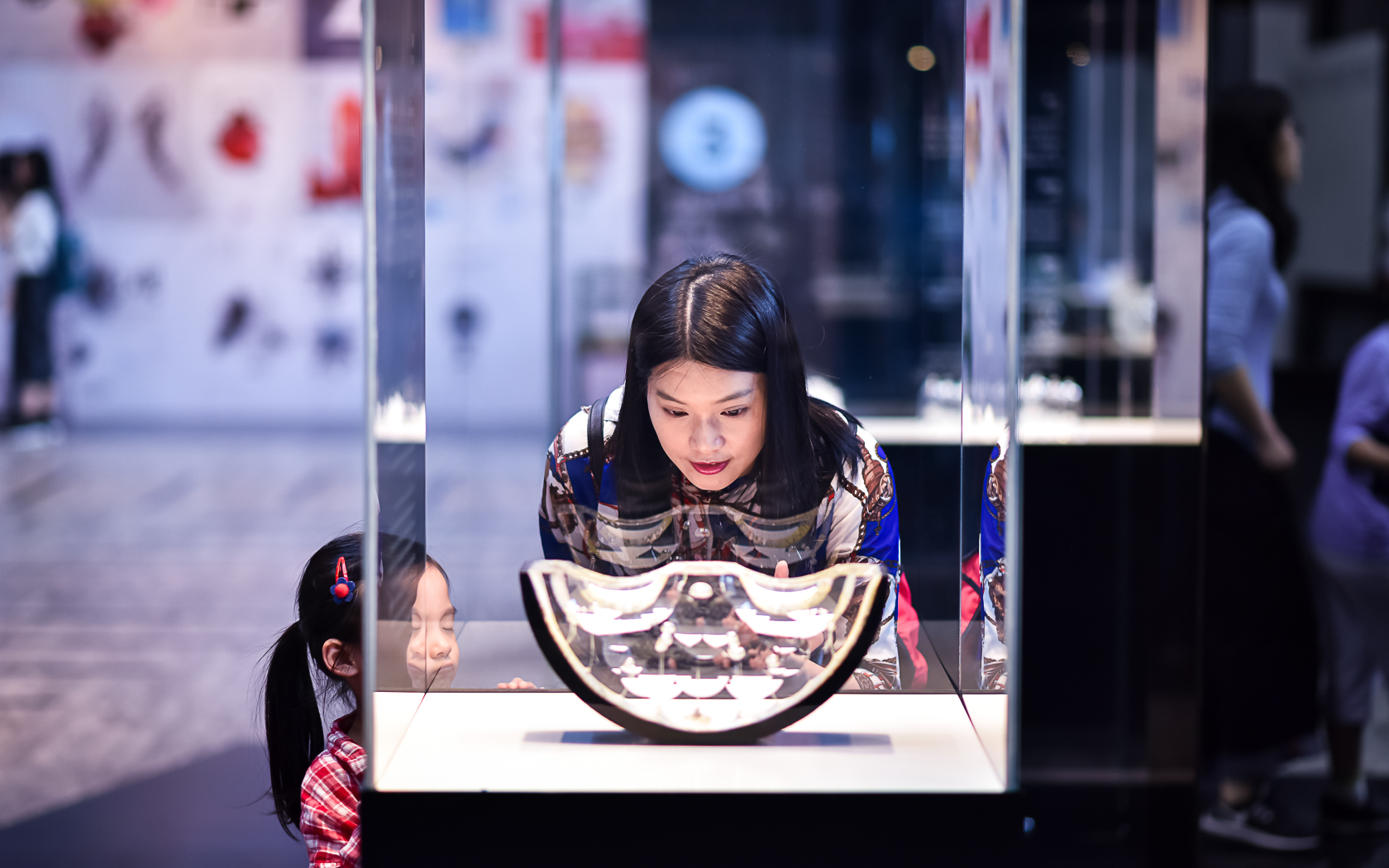
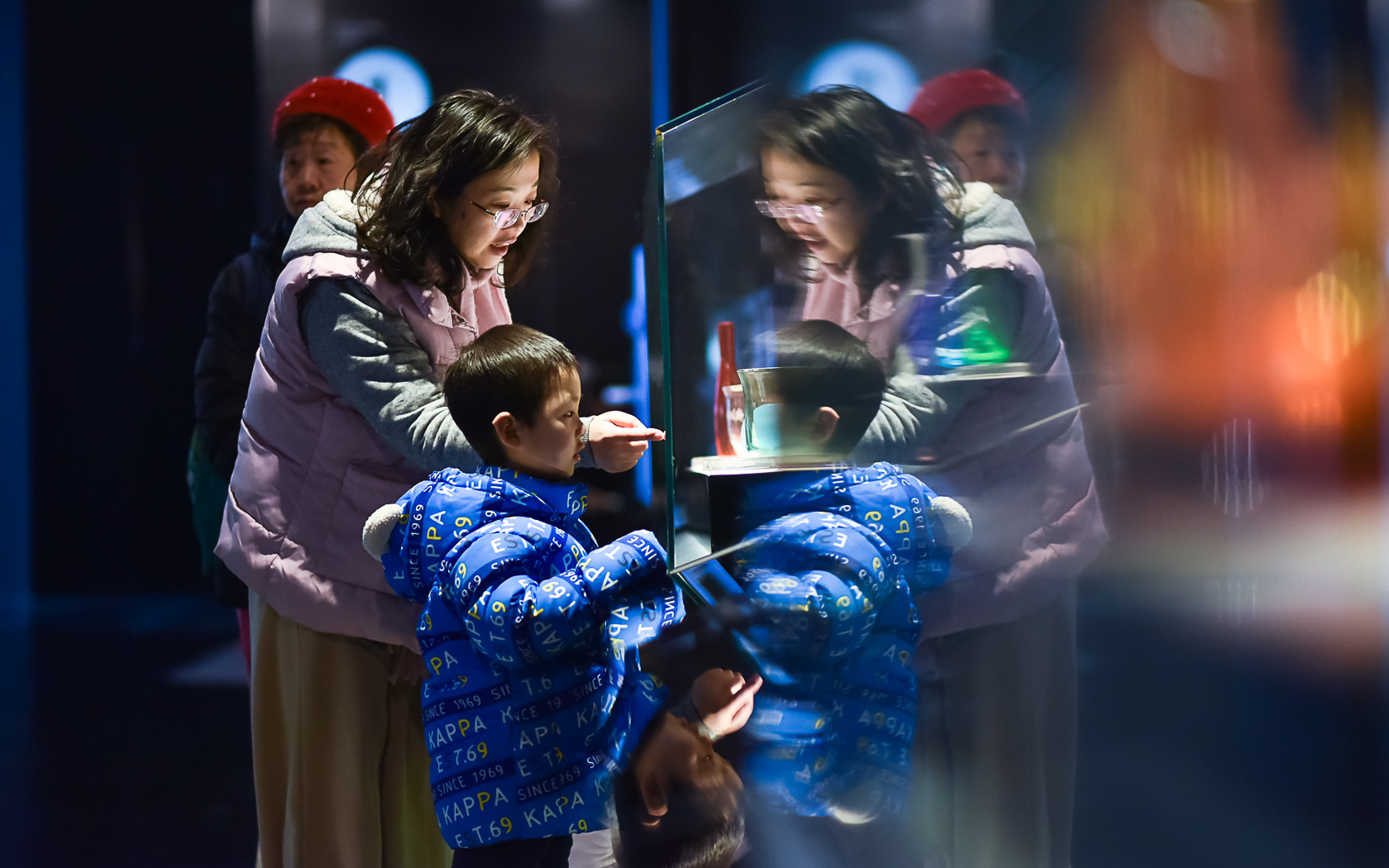

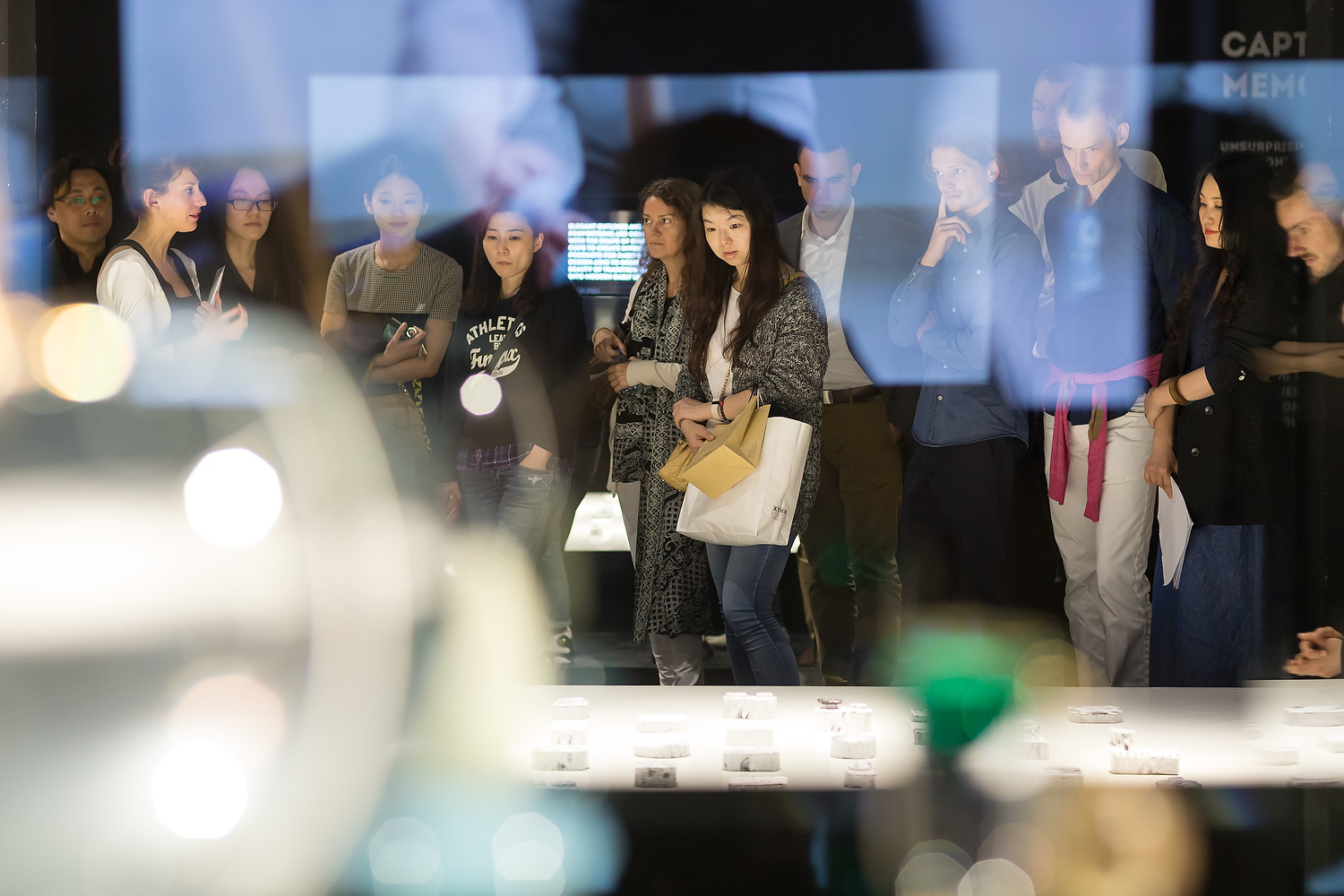
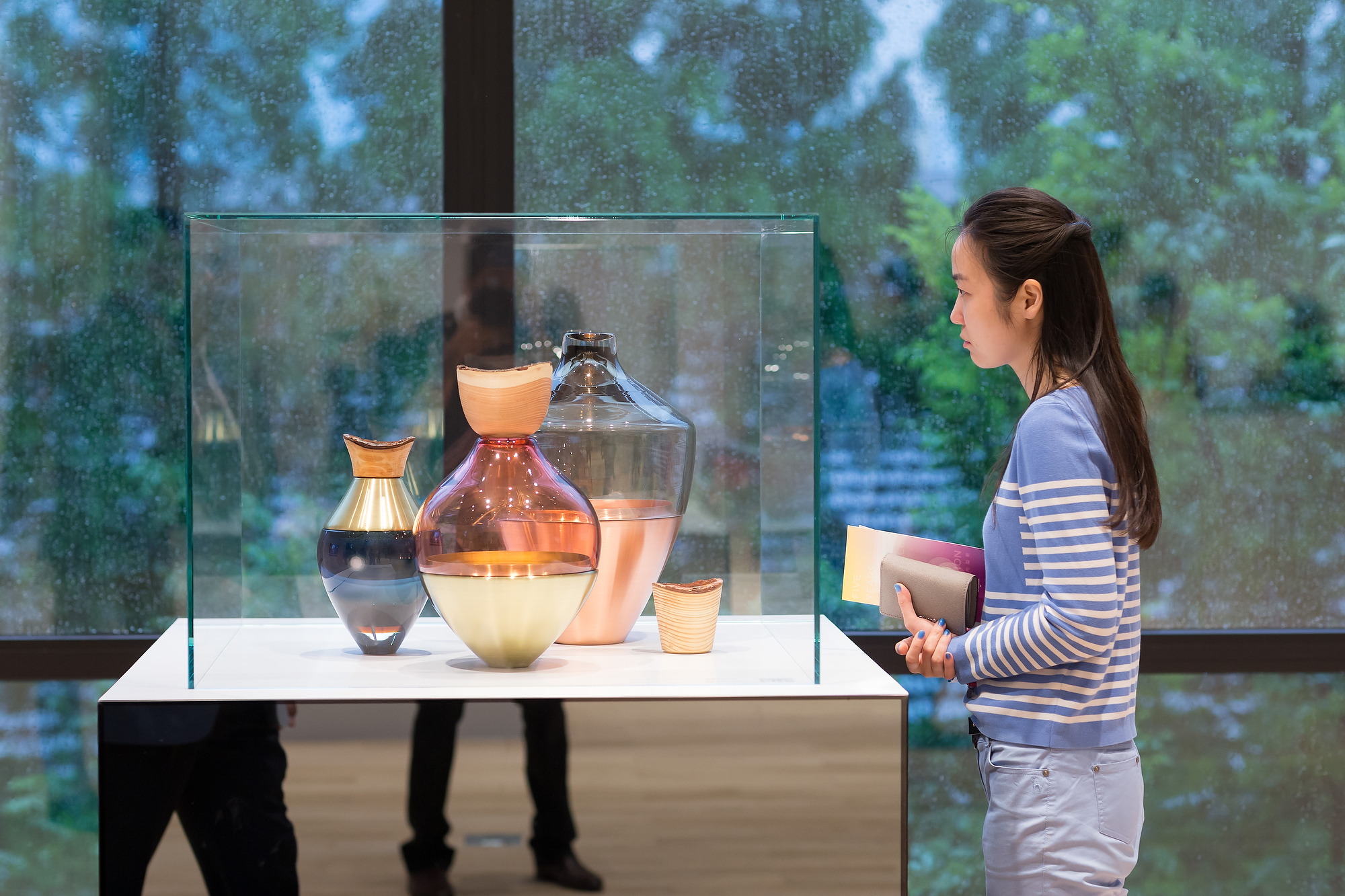
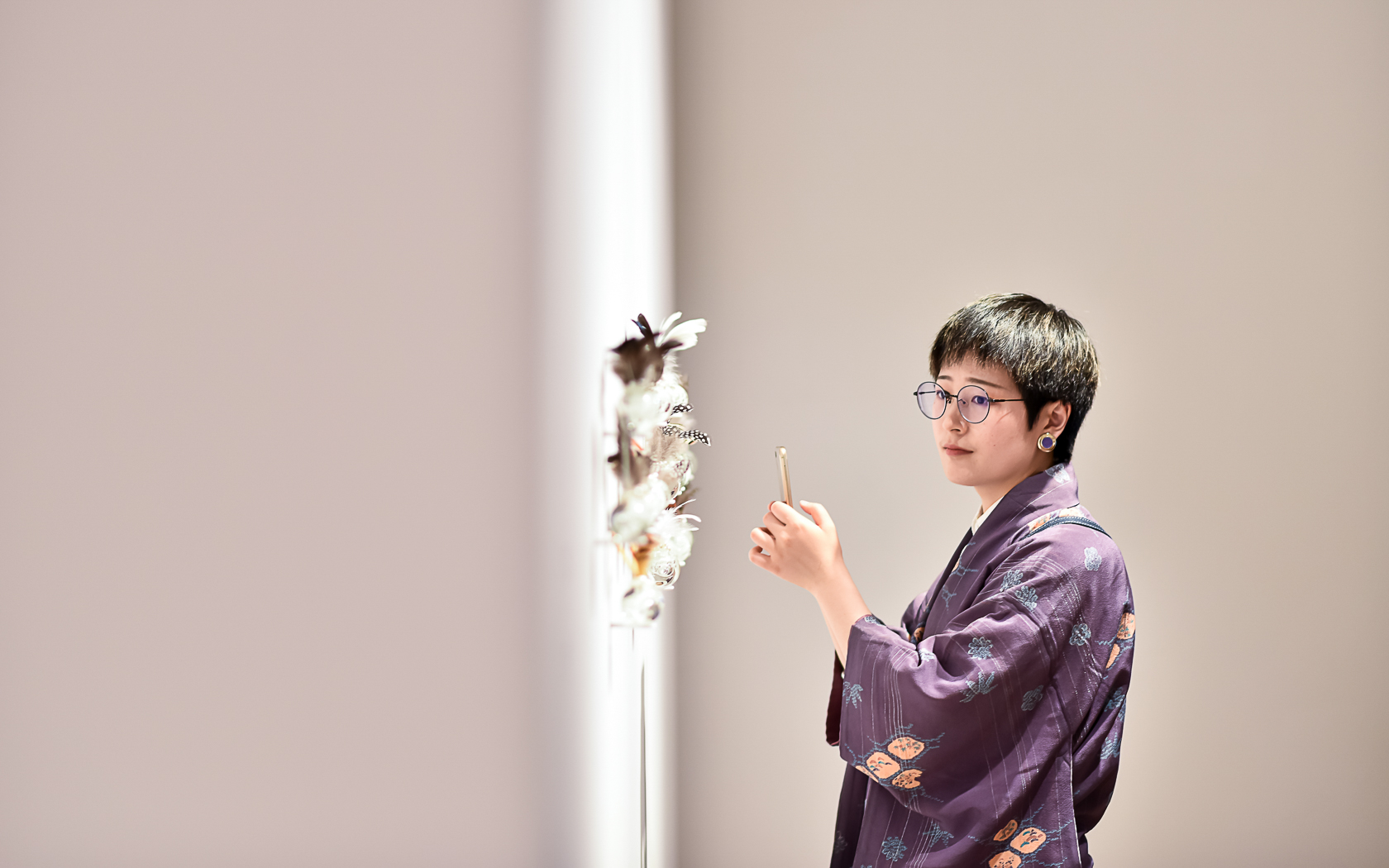
博物馆生活方式
Museum Lifestyle
假如没有热情,世界上任何伟大的事业都不会成功。这种热情,不仅是专注的坚持,是理性的选择,是拥有目标的充实,也是创造未来的信念,是理想主义者的乐观,更是穿越荆棘的动力,是赢得成功的内因。正是这种热情,才让我有实现做一个玻璃博物馆梦想的可能。
– 张琳, 上海玻璃博物馆馆长
Nothing great in the world has been accomplished without passion. This passion is intense perseverance; it is rational choice; it is the satisfaction of having a goal; it is the conviction that will create the future, is the optimism of idealism, is the motivation that enables one to transcend difficulties; it is the foundation on which success is won. It is this passion that enables us to realize the dream of opening a glass museum.
– Zhang Lin, President of Shanghai Museum of Glass
新旧交替|熔炉车间到艺术空间
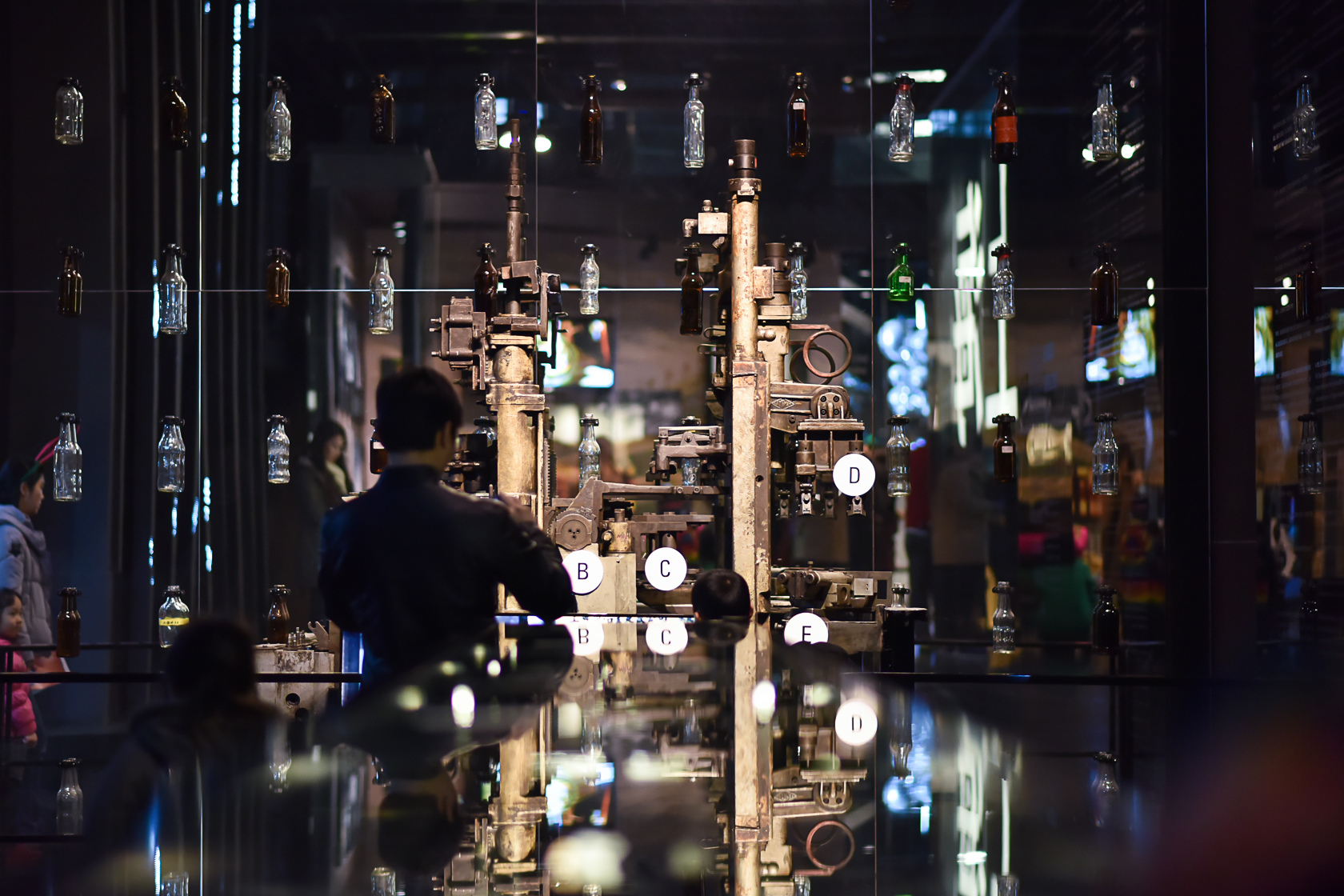
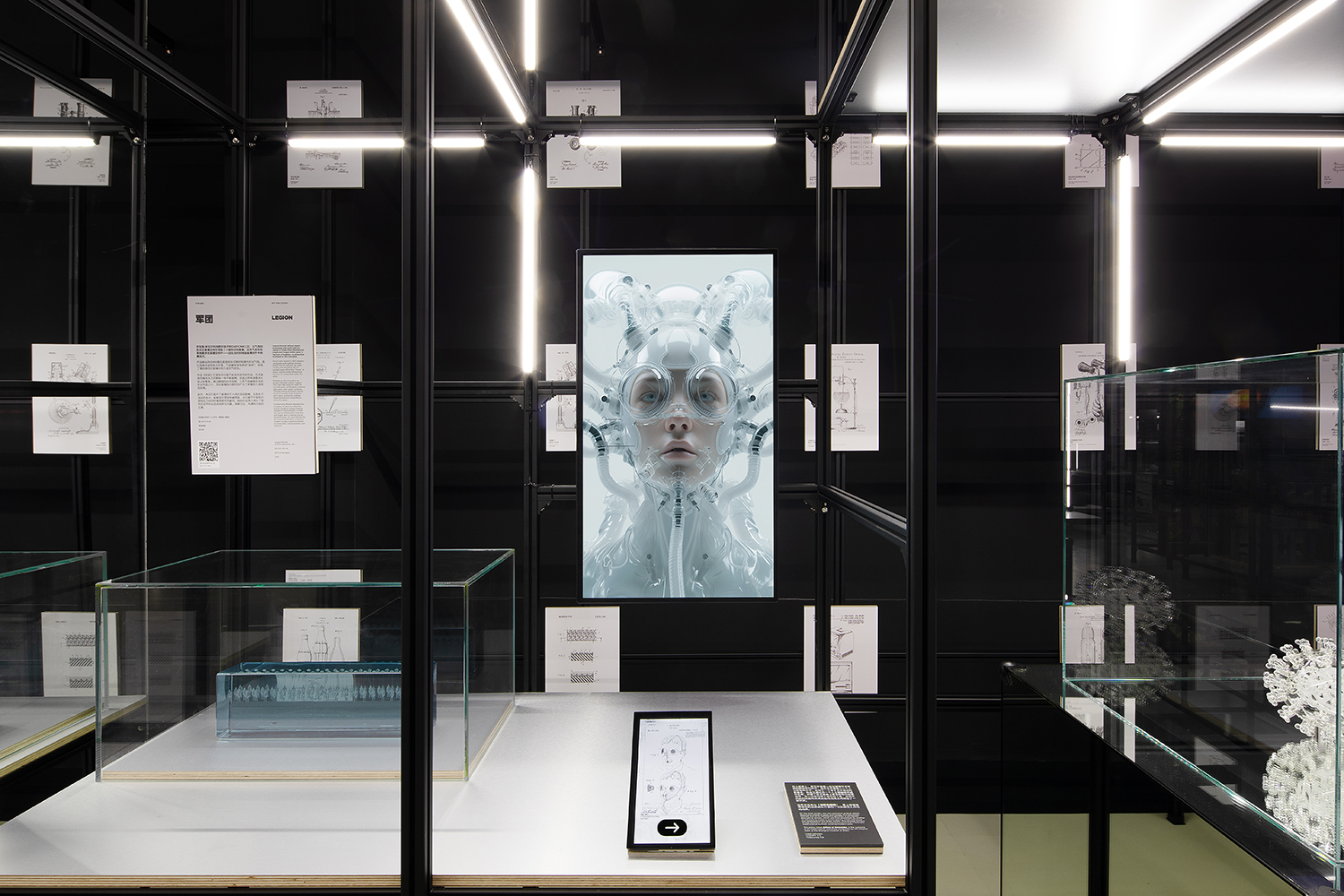
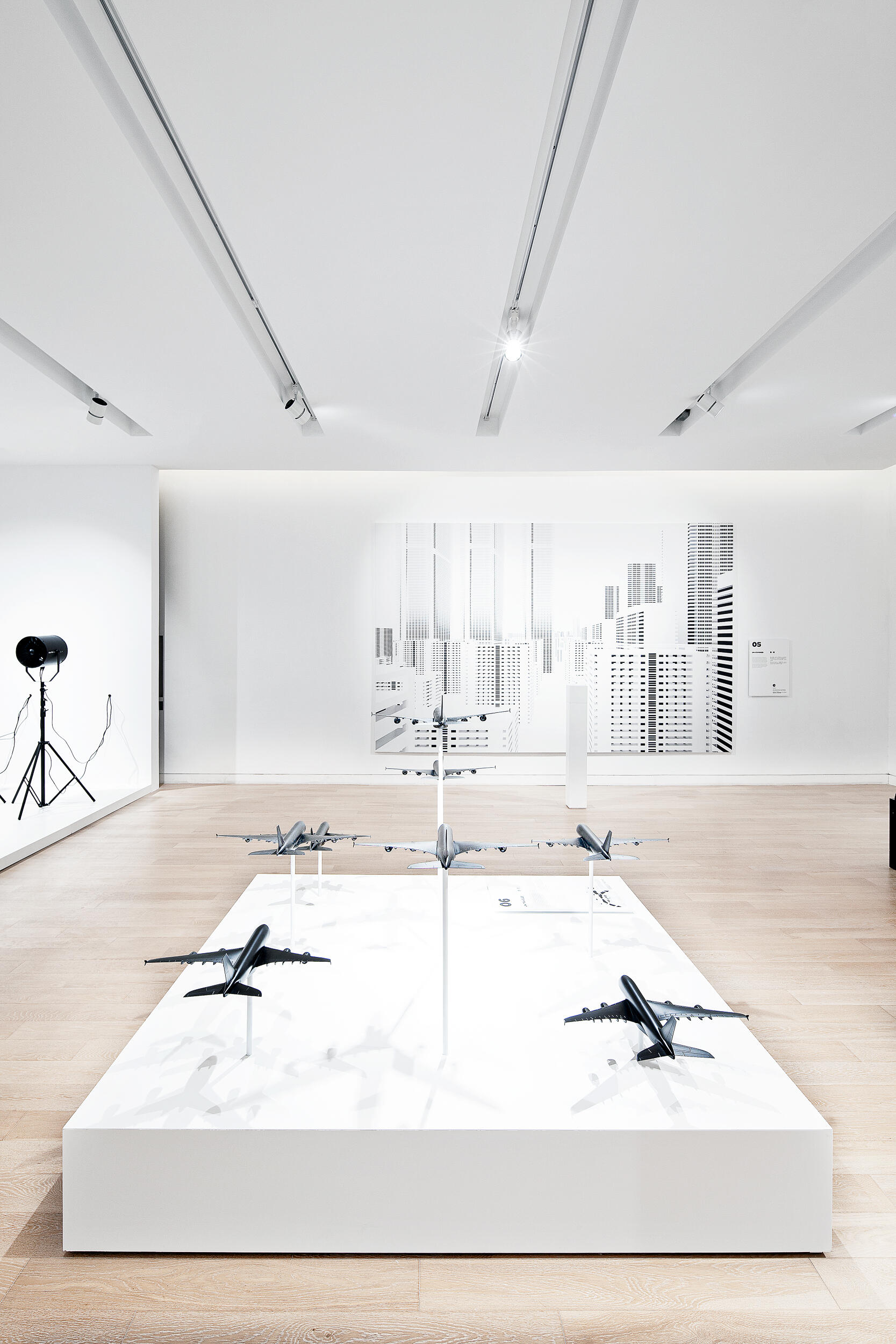
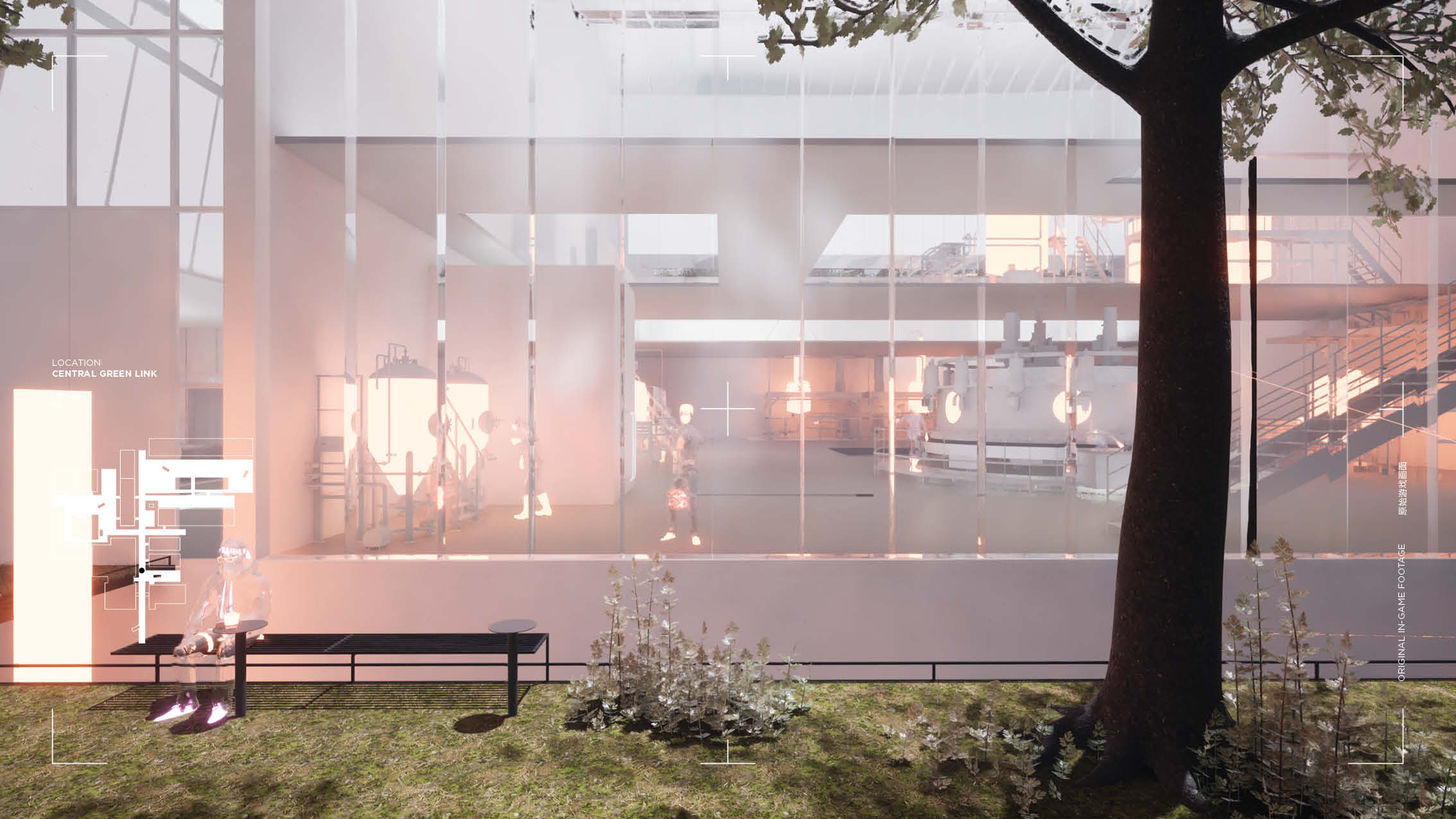
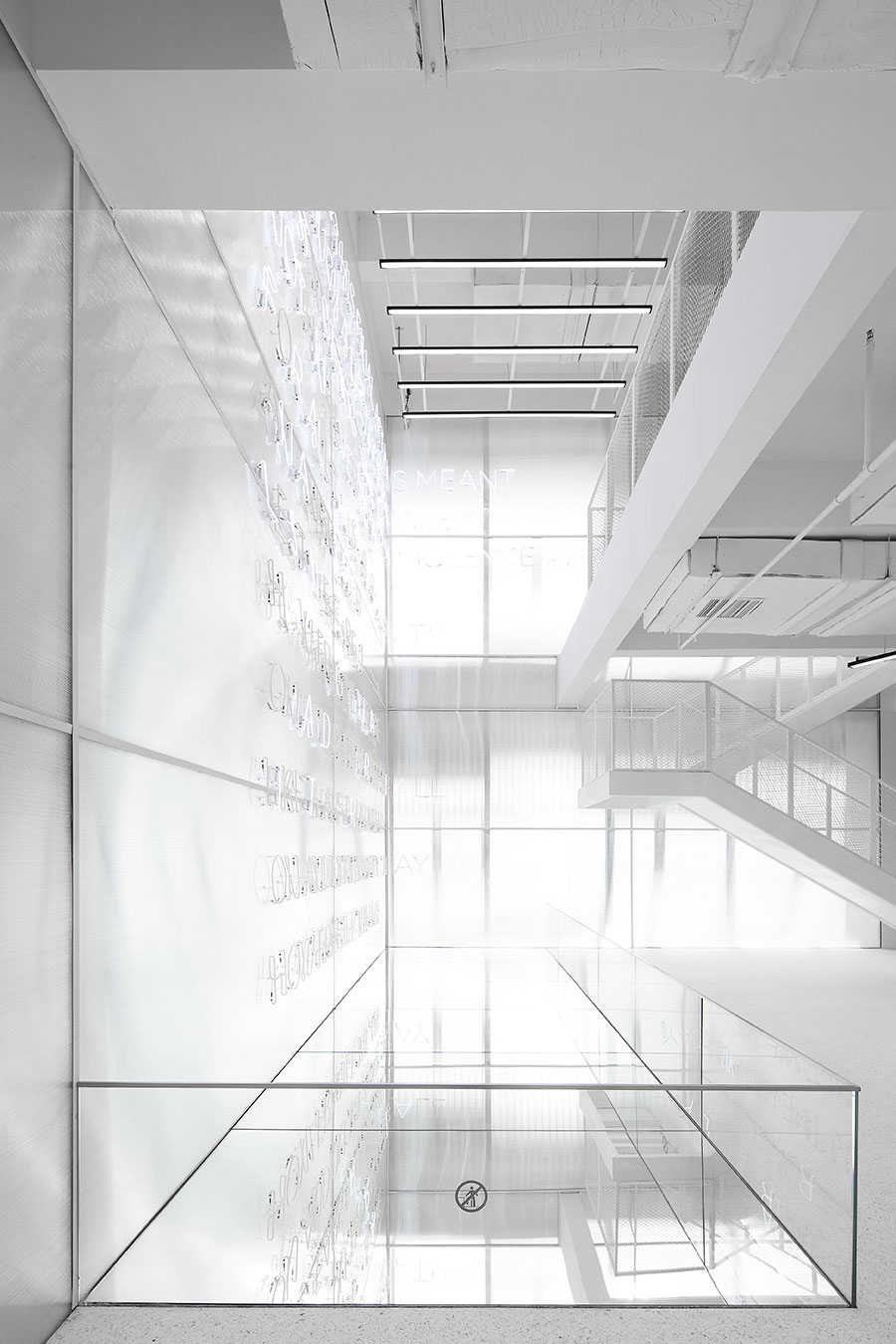
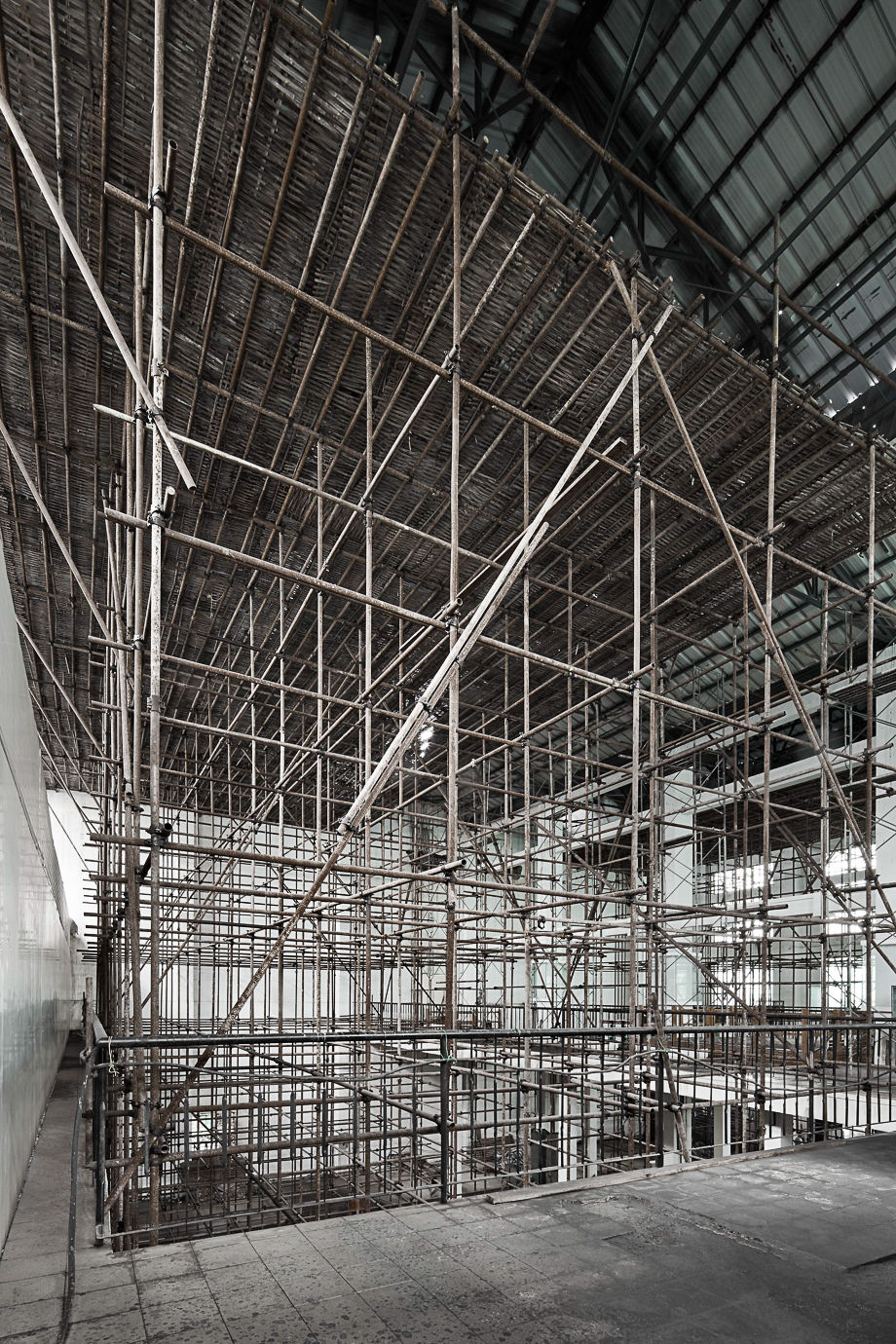
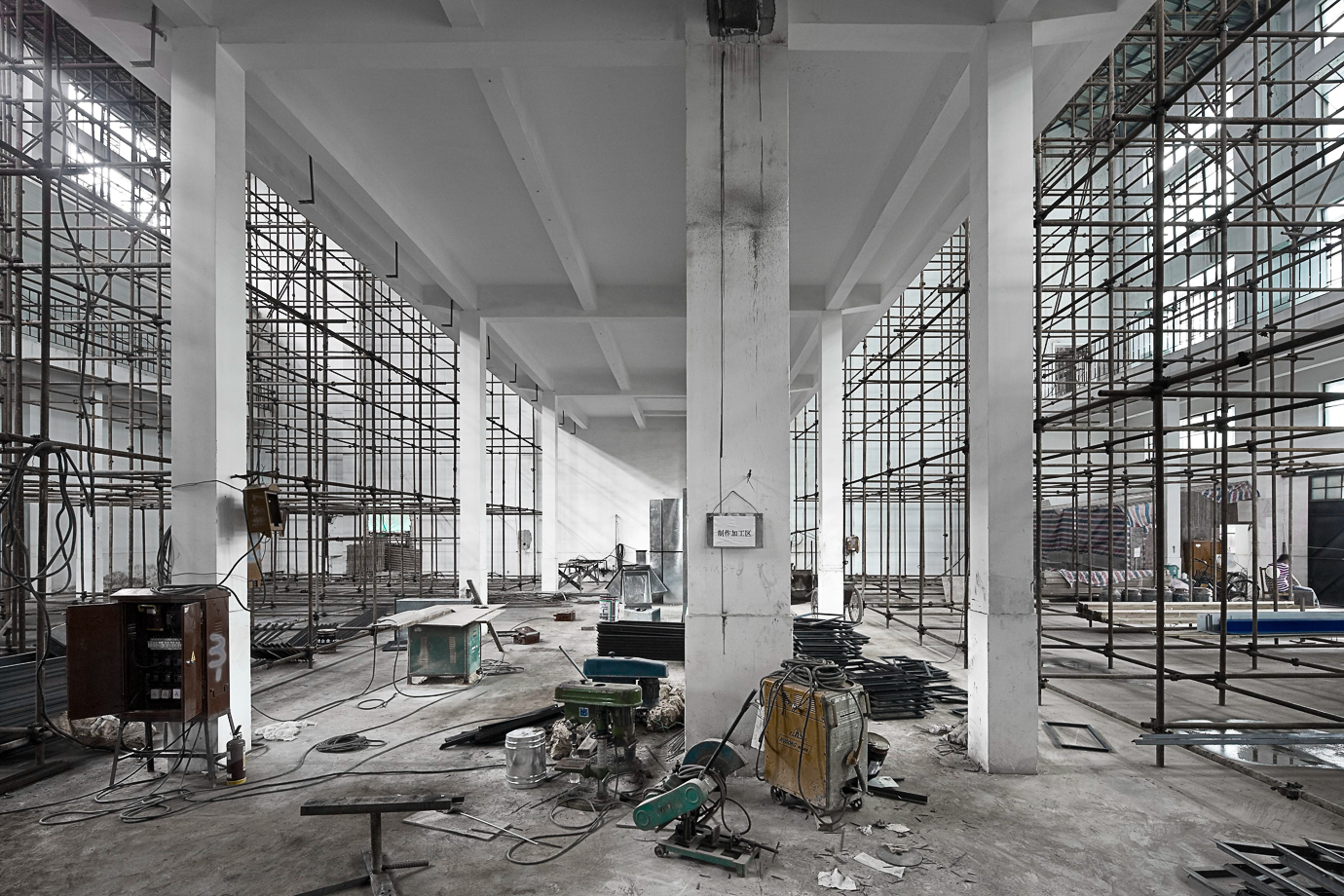
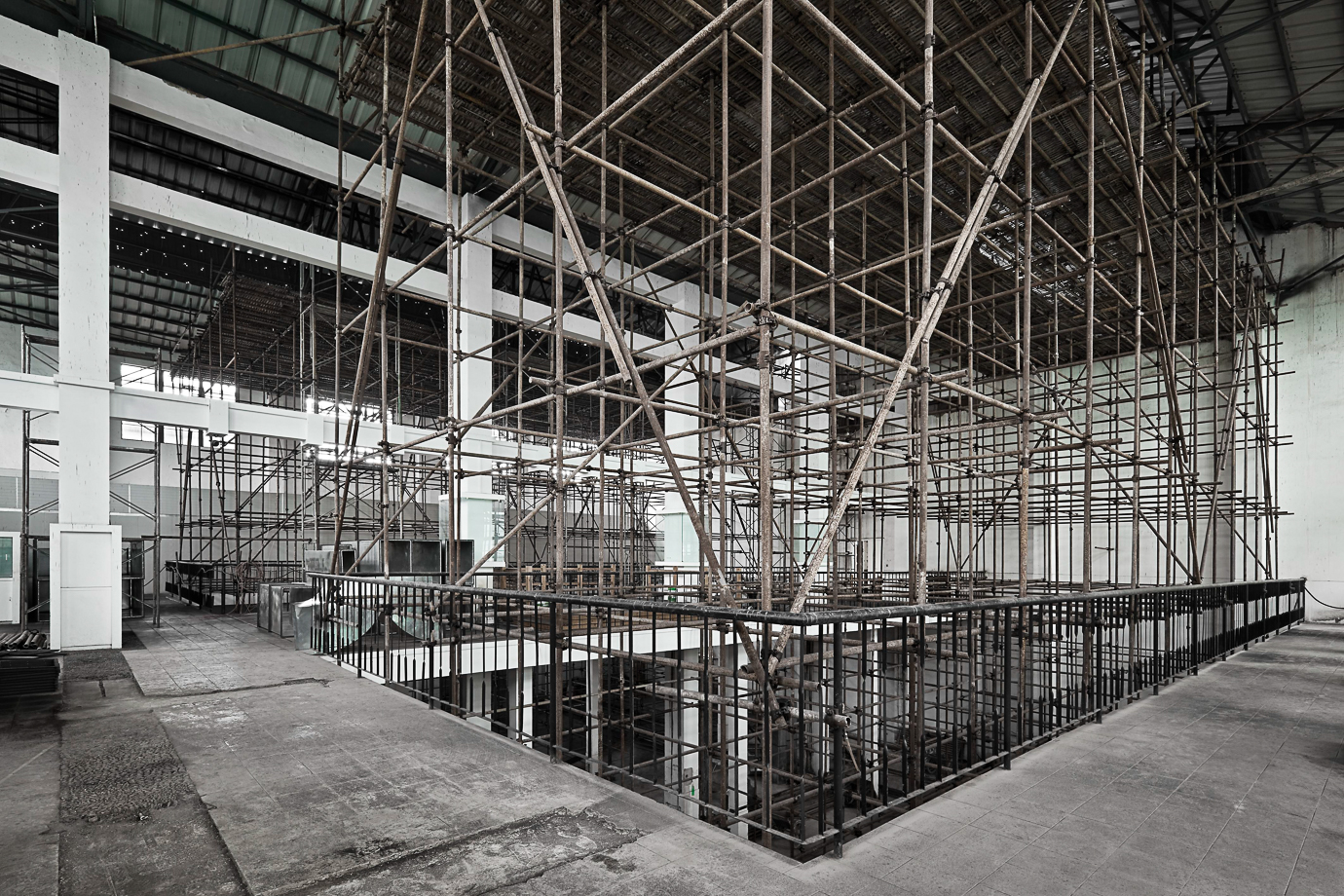
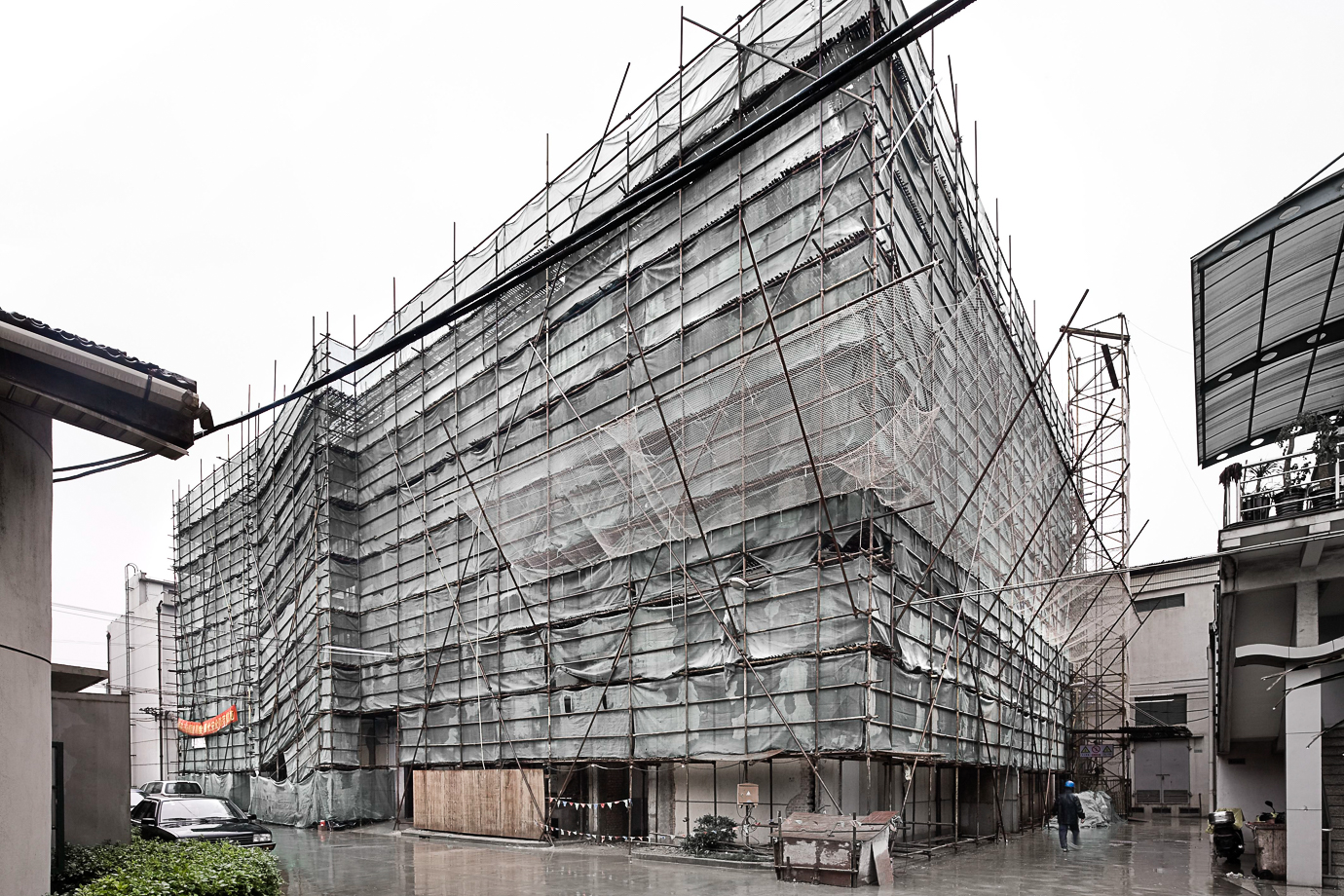
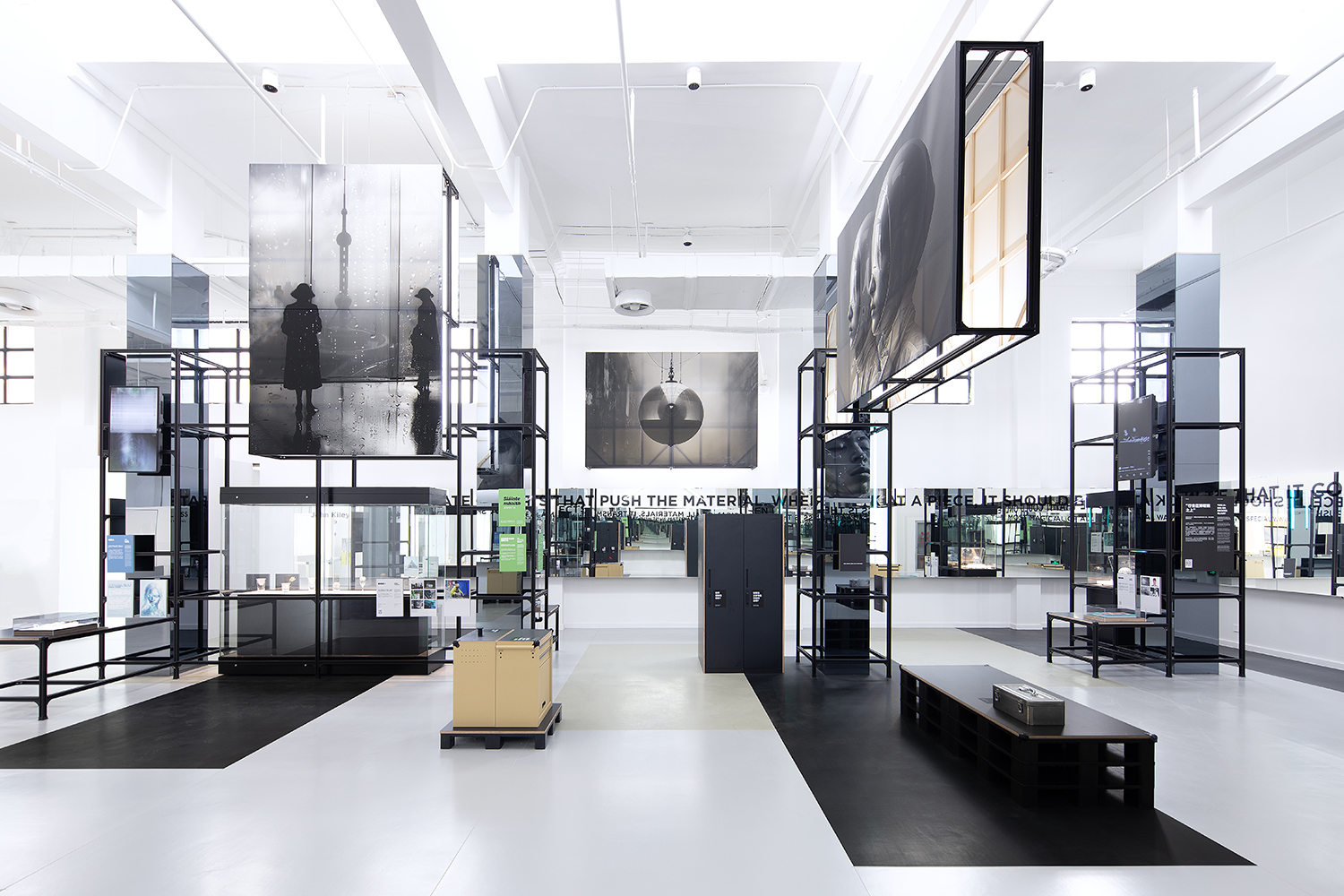
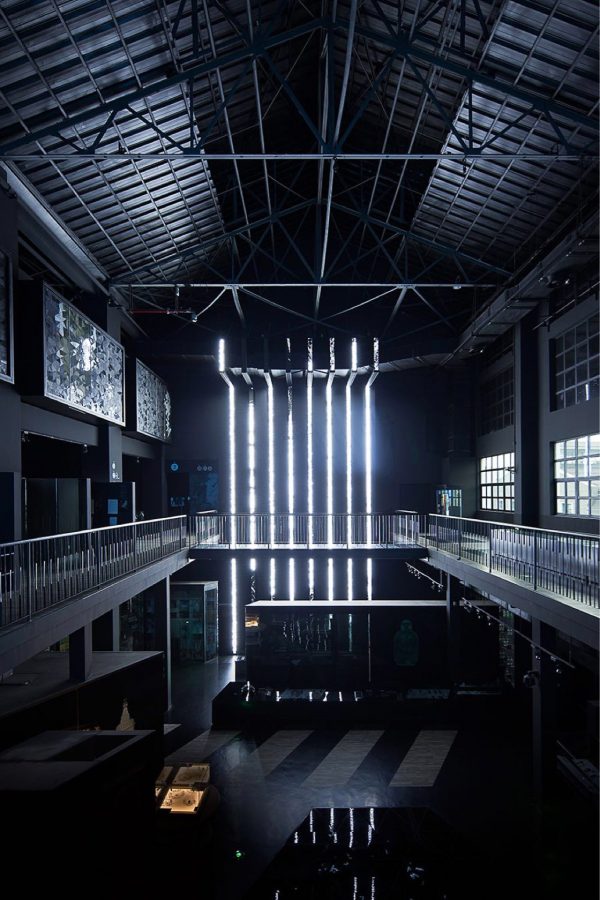
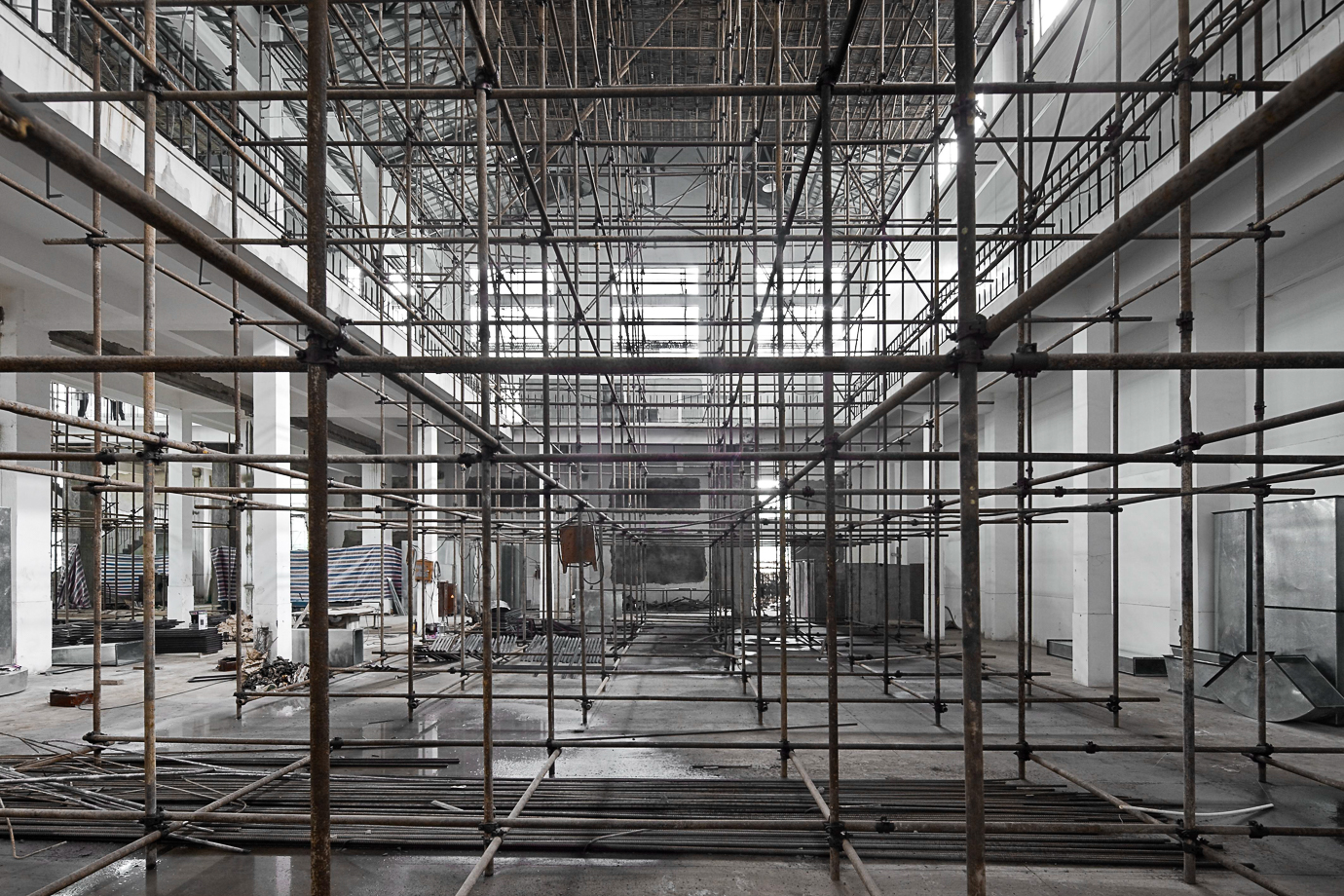
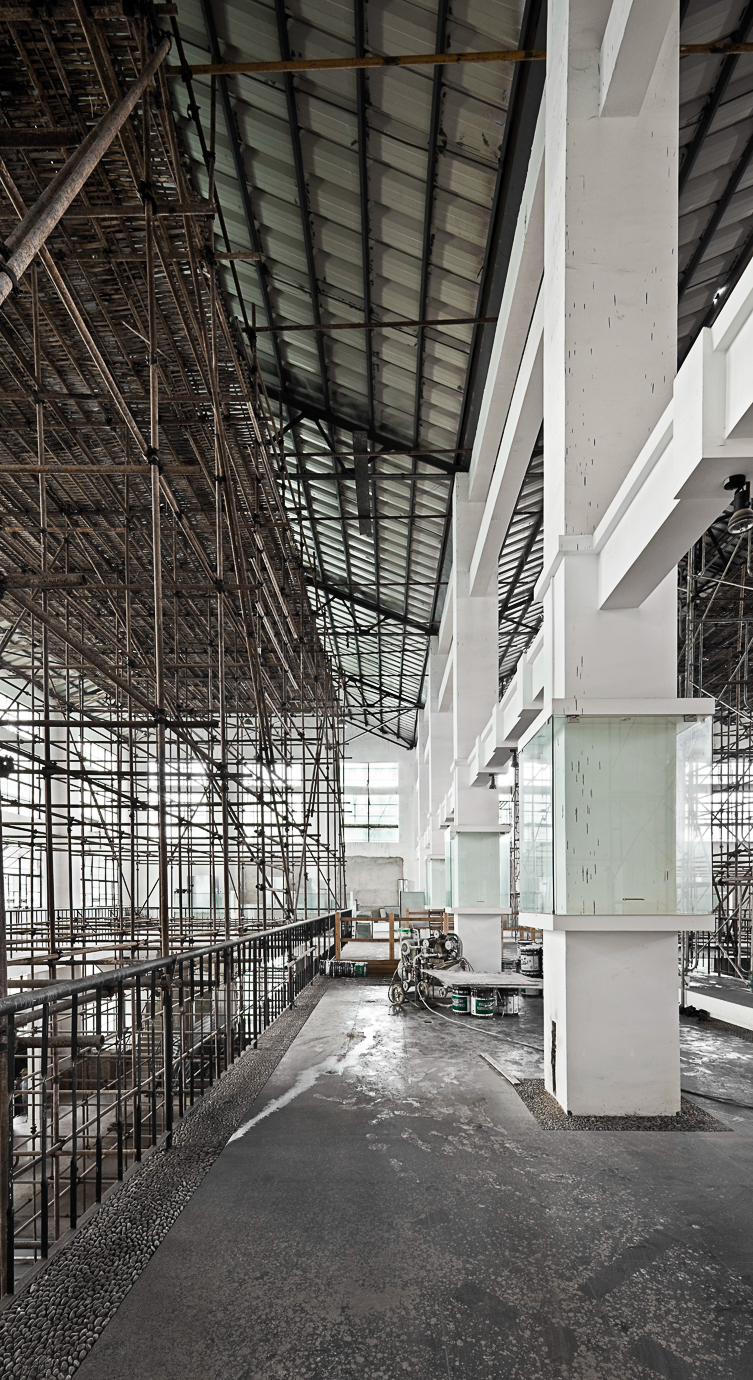
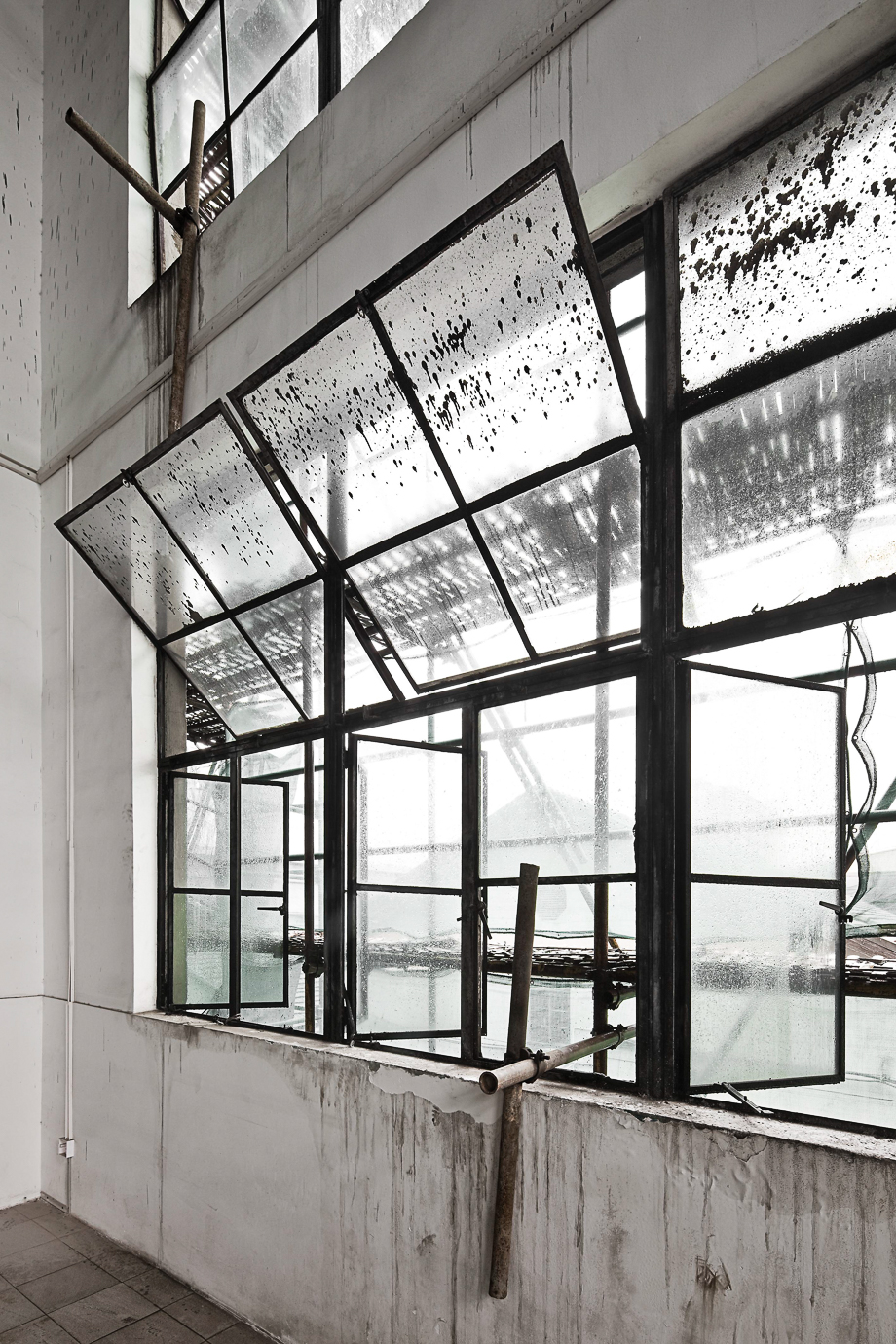
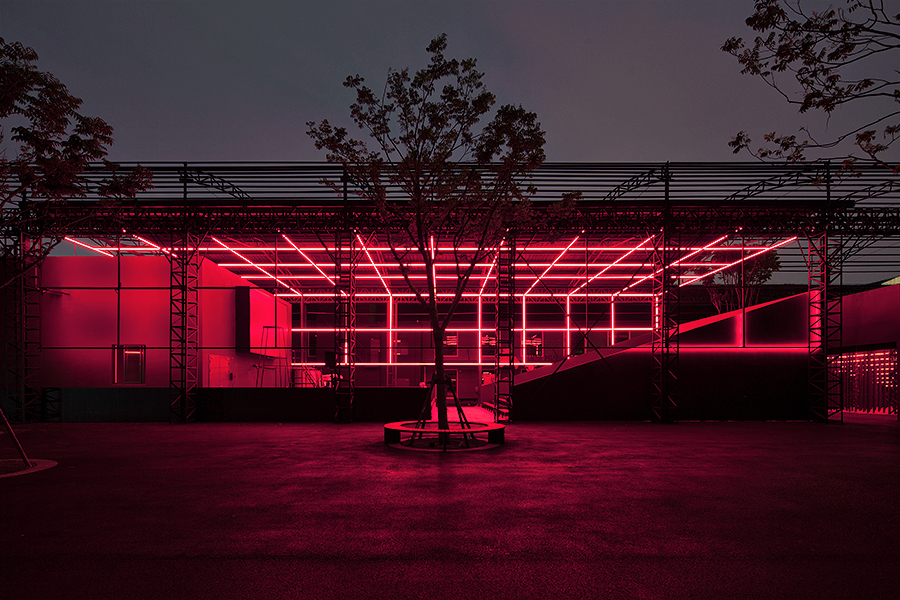
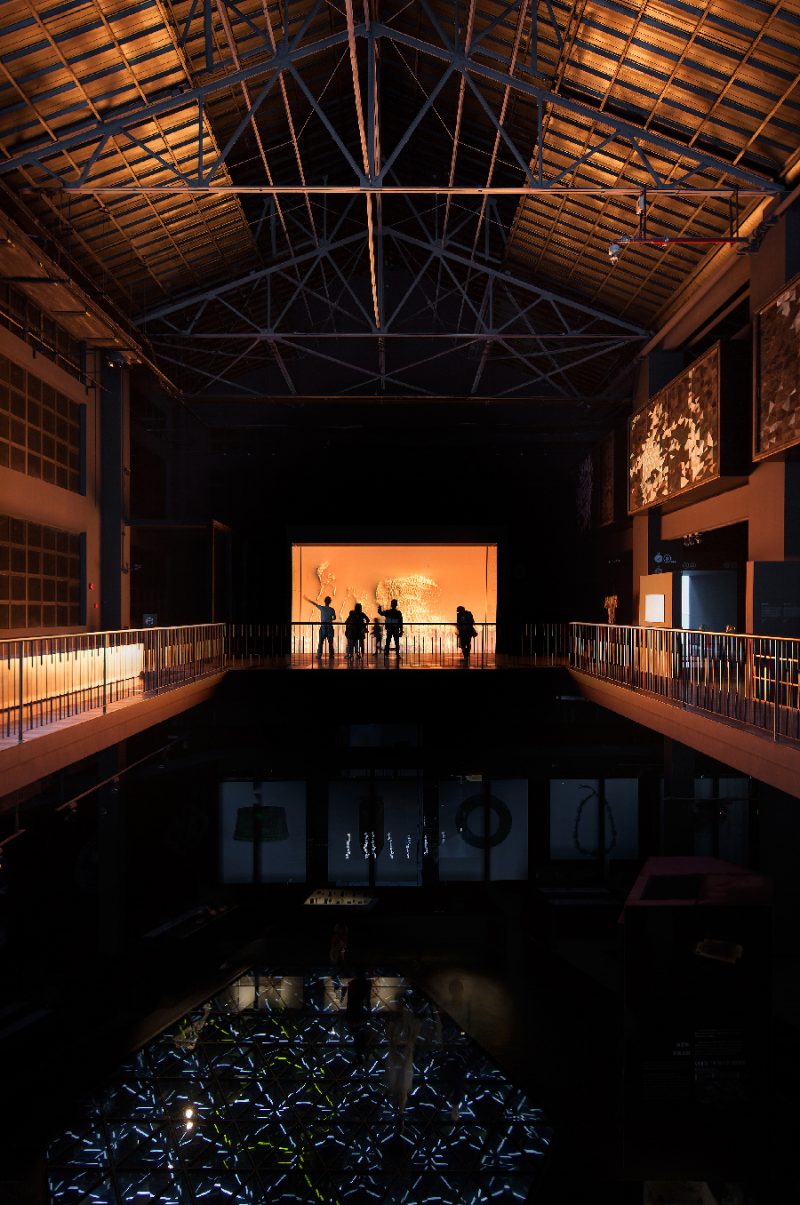
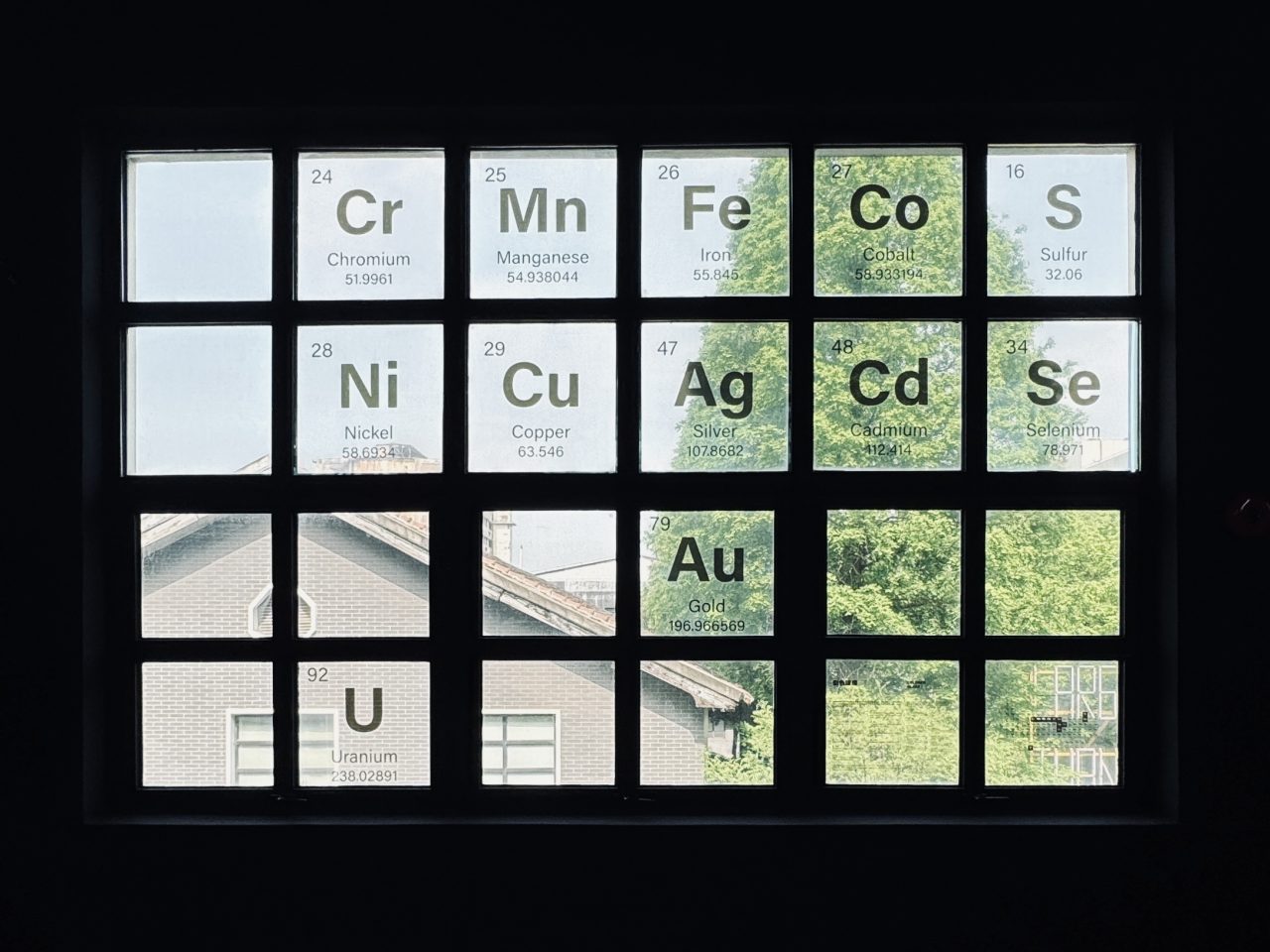
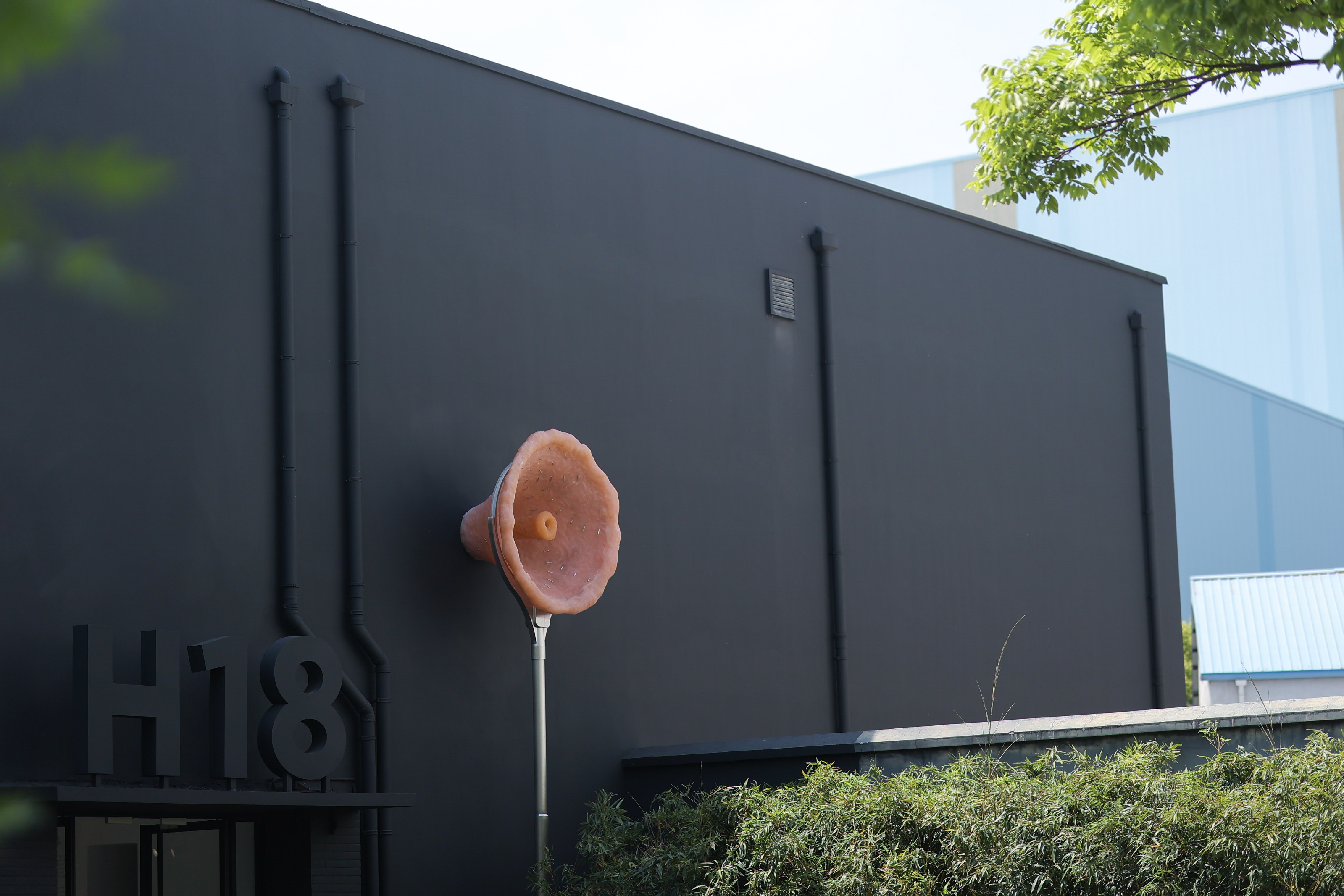
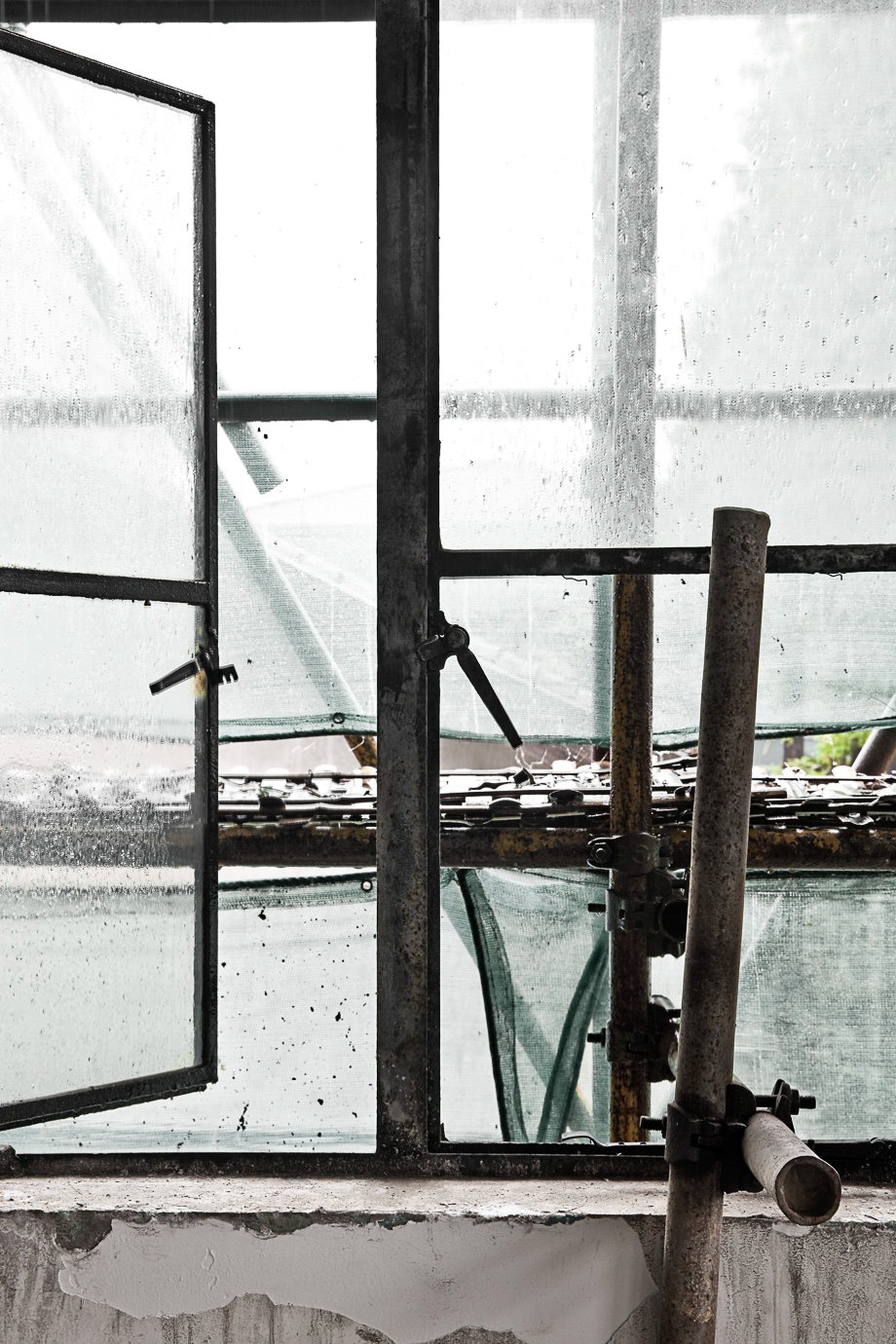
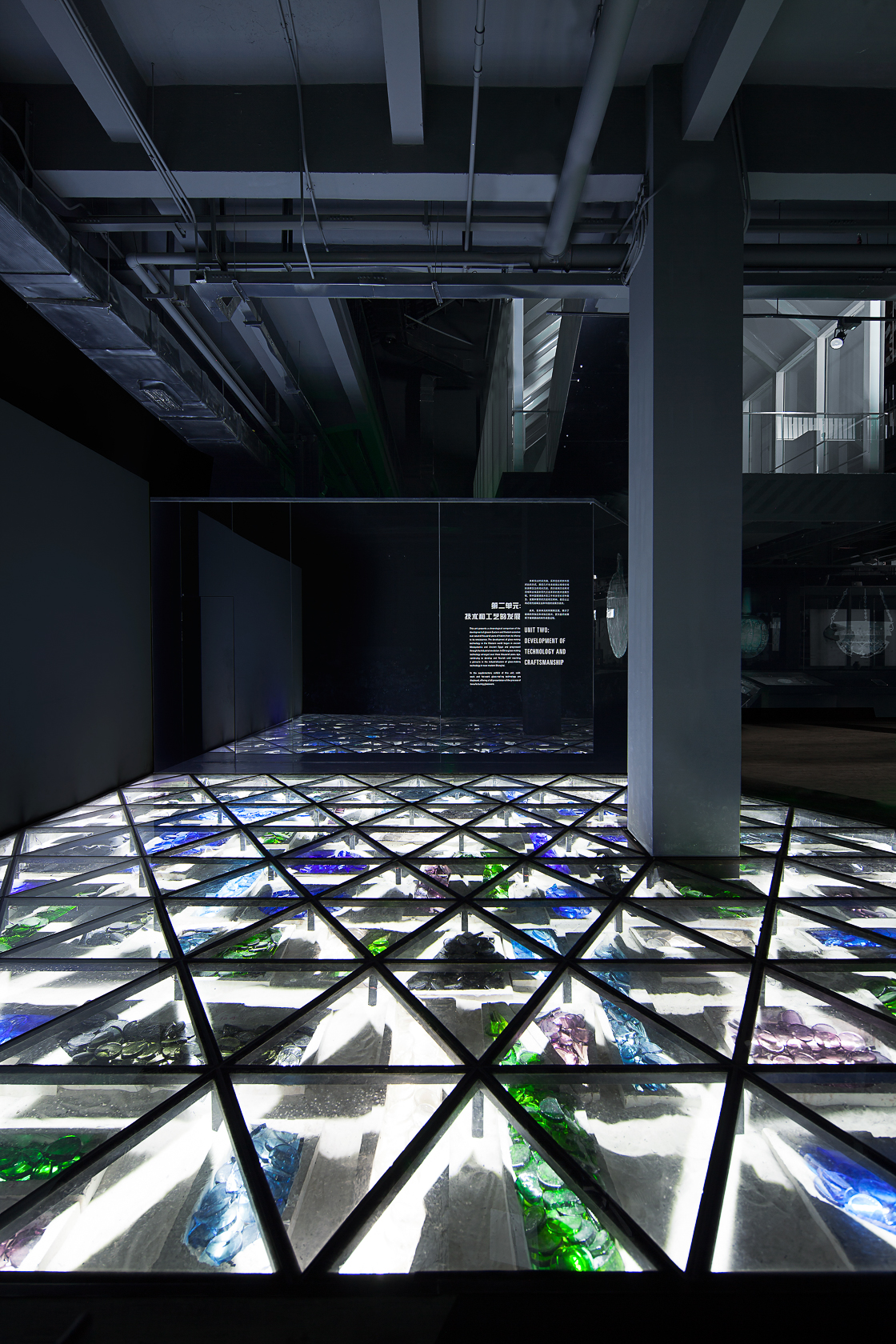
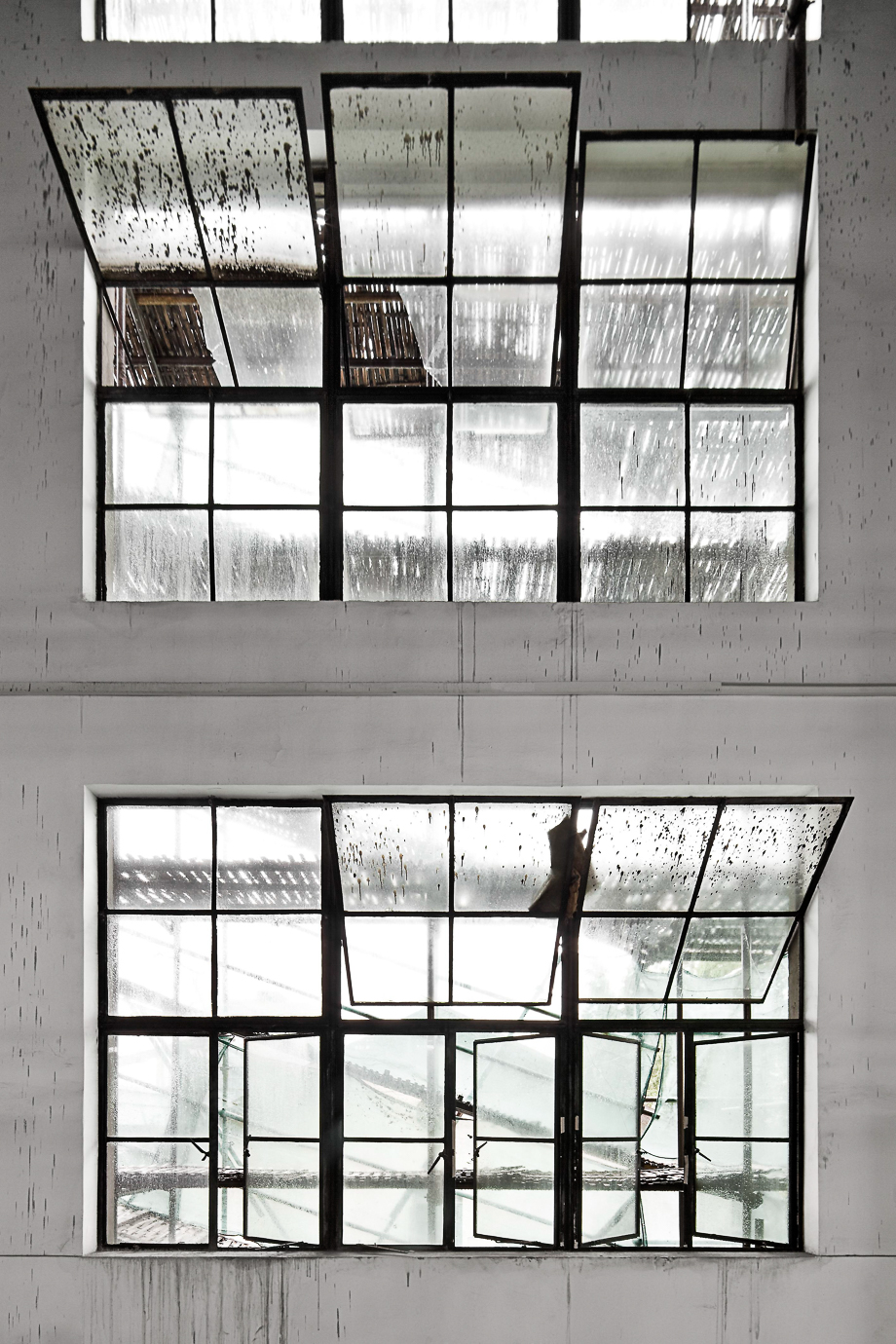
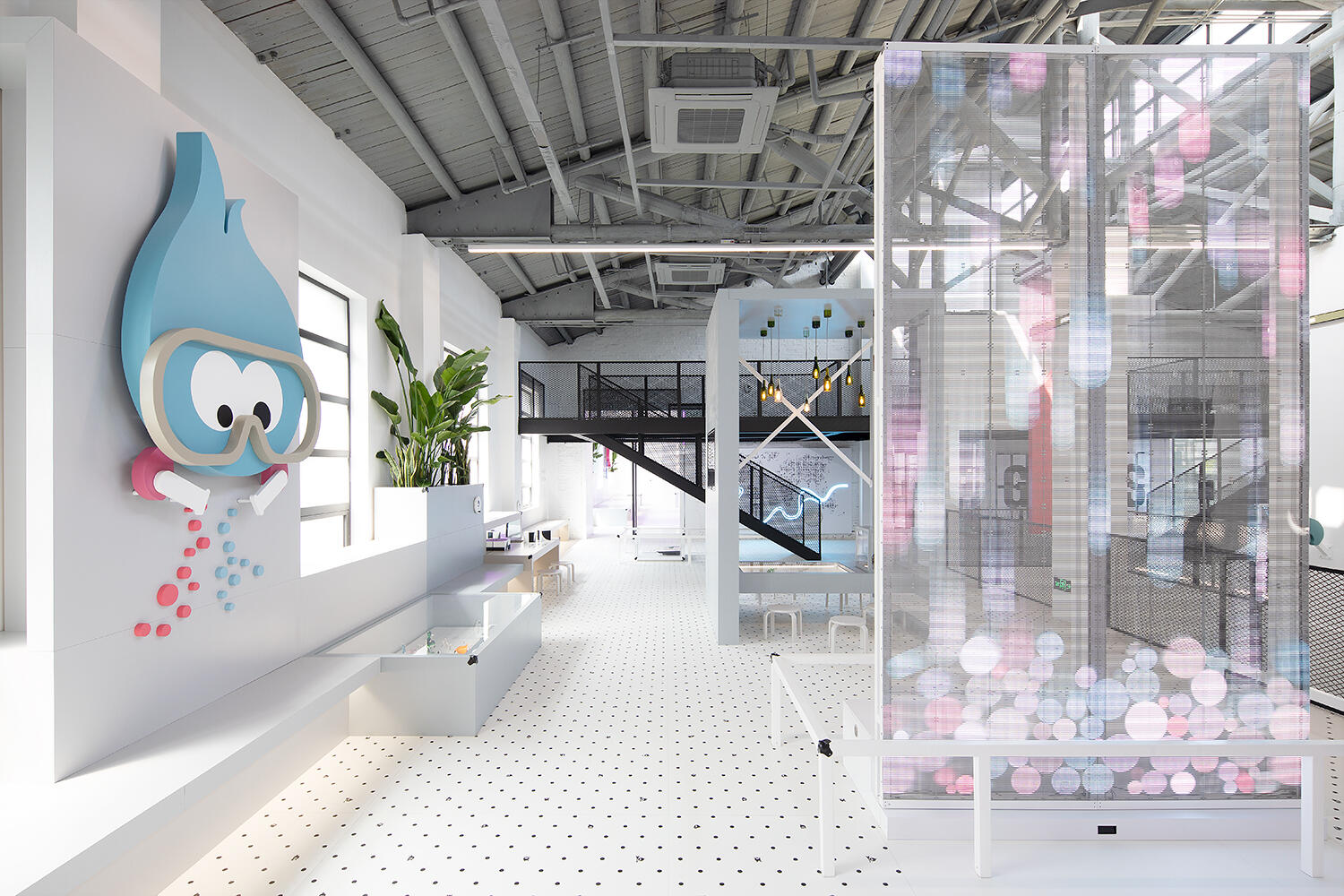
从熔炉车间到艺术空间,上海玻璃博物馆的建筑在一甲子的发展中经历了工业化到现代化的转型。场馆改建时,在大量保留原有空间结构与细节的基础上,上海玻璃博物馆被赋予了艺术观赏性、互动娱乐性与再生创造性。结合玻璃艺术与建筑本身的特点,在主馆内塑造了众多参观亮点,如“万花筒入口”、“历史长廊”、“玻璃屋”等,实现着玻璃艺术在空间上的升华。
New and old alternation | From workshop to art space
Over the past 60 years, Shanghai has been through a massive transformation from its industrial age to today. The Shanghai Museum of Glass maintains the basic structure of the site’s existing factory, expressing its original details and creating a highly artistic and interactive space. To highlight the building’s previous function as a glass factory, there are several feature areas, including the Kaleidoscope Entrance, Corridor of History, and the House of Glass.




2009年到现在的转变
Transformation 2009-now
上海玻璃博物馆从一座小型工业博物馆逐步转型为一座复合型的‘生活博物馆’,我们也希望通过更加以观众为中心的方式,为当代博物馆的发展带来新的可能。人工智能以及包括 VR 在内的沉浸式数字世界,为观众探索理念、故事和馆藏开启了新的方式,而可持续发展的目标则始终指引着博物馆未来的成长方向。所有工作的核心始终是我们的观众 – 他们期待的不仅是具有教育意义的内容,更是有参与感、有惊喜、并能带来快乐的体验。
– 迪尔曼·图蒙,上海玻璃博物馆副馆长
With the museum’s transformation from a small industrial museum into a hybrid living museum, we are helping to reshape the museum landscape through a strongly visitor-centered approach. AI and immersive digital worlds, including VR, open up new ways to explore ideas, stories and collections, while our sustainability goals guide how the museum continues to grow. At the center of everything are our visitors, who are looking for meaningful experiences that are not only educational, but also engaging, surprising and joyful.
– Tilman Thürmer, Vice President of Shanghai Museum of Glass